Kristopher Townsend
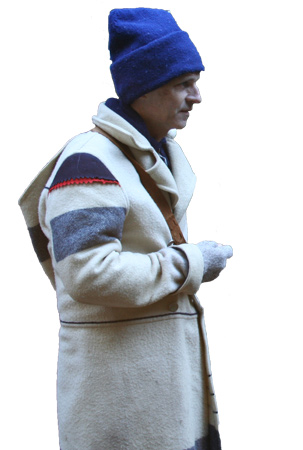
From the Pacific Northwest Living Historians at Lewis and Clark National Historic Park, Fort Clatsop.
Since 2016, Kristopher K. Townsend has been the webmaster and editor of this site, Discovering Lewis & Clark®. He has been actively photo-documenting the Lewis and Clark Trail since 1995. He attempts as closely as possible to re-create scenes as described in the journals including the same time of year, natural state, location, and weather. He has contributed numerous photos throughout the Discovering Lewis & Clark website.
Kris taught several years as a tenured instructor at Spokane Falls Community College. His courses included Internet programming and other information technology and computer science courses. During that time, he was also the series editor and an author of a popular college textbook series on Office Technology.
Shortly after the advent of the World Wide Web, he managed a web server featuring digital photos, digital video, and articles created by his Glenwood Heights Primary students. Topics included historical sites of Clark County (Washington State), wildflowers and birds of Clark County, and how-to videos for school’s physical education program.
Contributions to this Site
December 12, 1806
Lewis comes home
by Kristopher K. Townsend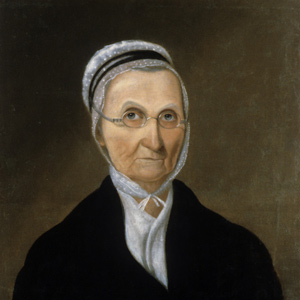
On or near this day, Meriwether Lewis comes home to reunite with his mother Lucy Marks, brother Reuben, and sister Jane. News of his arrival reaches Charlottesville—about ten miles east of his family’s Locust Hill Plantation—on 13 December.
December 11, 1806
A bill from Staunton
by Kristopher K. Townsend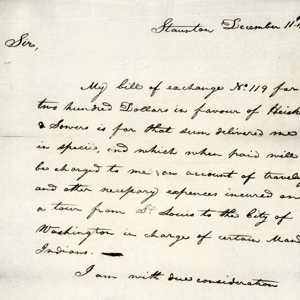
Enroute to Washington City, Meriwether Lewis posts a bill of exchange for $200 on behalf of Staunton, Virginia merchants Heiskell & Sowers. He is likely buying provisions and lodging for his party which includes several Mandans and two expedition members.
December 10, 1806
Inquiry from Lisbon
by Kristopher K. Townsend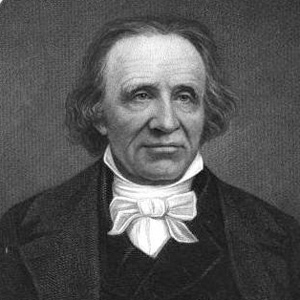
From Lisbon, the American Counsel William Jarvis makes an inquiry for news of the Lewis and Clark Expedition. News of the 23 September 1806 return of the Western Expedition has not yet reached Portugal.
December 8, 1806
Engraved map
by Kristopher K. Townsend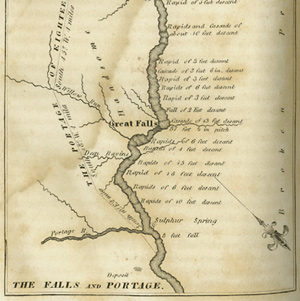
President Thomas Jefferson assures Caspar Wistar that Meriwether Lewis is headed to Washington City and that an engraved map of the expedition’s route will be sent to the American Philosophical Society in Philadelphia.
December 5, 1806
Wistar to Jefferson
by Kristopher K. Townsend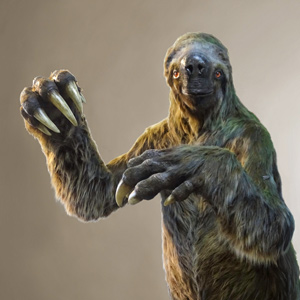
On behalf of Academy of Natural Sciences in Philadelphia, one of Meriwether Lewis’s mentors writes President Thomas Jefferson to discuss new fossil finds and to obtain the latitude and longitude of the Falls of the Missouri.
December 2, 1806
Message to Congress
by Kristopher K. Townsend
In Washington City, President Thomas Jefferson delivers his annual message to Congress. He addresses many of the ongoing concerns of the young nation including relations with Spain, England, and the current peace along the Barbary Coast. He also reports on the progress of three separate Western expeditions: Lewis and Clark, Freeman-Custis, and Zebulon M. Pike.
November 30, 1806
Lormerie's admiration
by Kristopher K. Townsend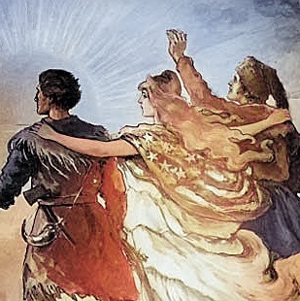
In Philadelphia, Louis Philippe Gallot de Lormerie writes to President Thomas Jefferson to express his admiration of the Western Expedition led by Meriwether Lewis and William Clark—”the finest undertaking that philosophy, clothed in authority, has yet been able to conceive and execute”.
November 29, 1806
Easton's triumph
by Kristopher K. Townsend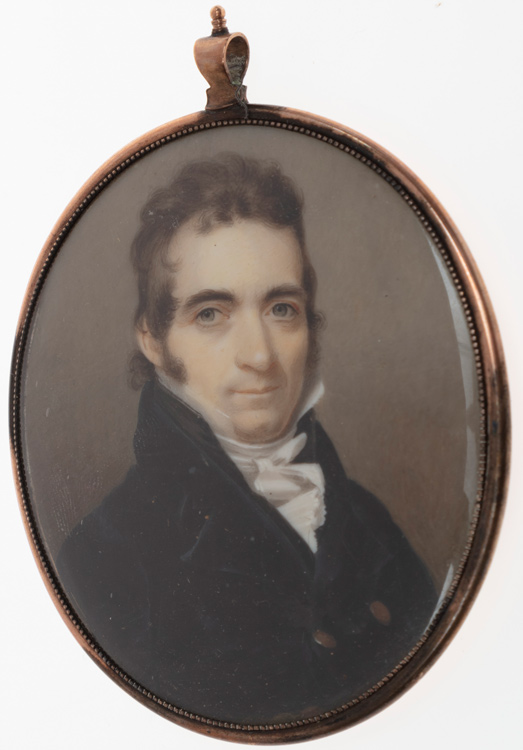
In St. Louis, postmaster and land speculator Rufus Easton writes to President Thomas Jefferson declaring triumph over James Wilkinson’s persecution and seeking to color any report from Meriwether Lewis and William Clark concerning Antoine Soulard’s Archive of Surveys.
November 27, 1806
Aaron Burr in Louisville
by Kristopher K. Townsend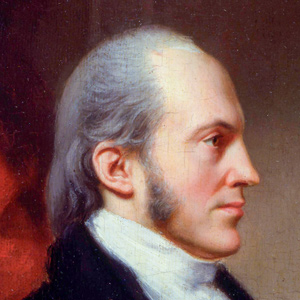
News of a Federal Grand Jury enquiry into the conduct of Aaron Burr reaches the Falls of the Ohio. Coincidentally, Aaron Burr himself arrives in Louisville where he defends himself in a letter to Governor Harrison. Unknown to the Louisville citizens, President Thomas Jefferson issues a proclamation for Burr’s arrest.
November 25, 1806
Frazer's journal prospectus
by Kristopher K. Townsend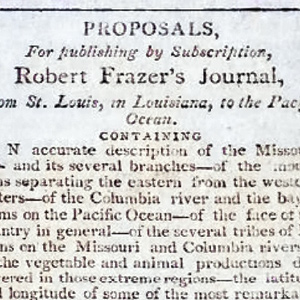
Former expedition private Robert Frazer’s prospectus to publish his journal appears in the “Pittsburgh Weekly Gazette”. He promises much in the lines of Western geography, ethnography, and natural history—much to the displeasure of Meriwether Lewis.
November 23, 1806
Observing Walker's line
by Kristopher K. Townsend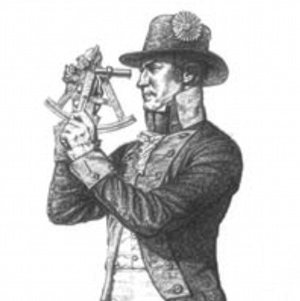
Traveling to Washington City, Meriwether Lewis utilizes the formal navigation skills that he practiced on the expedition to determine the latitude of Walkers line—the current border between Kentucky and Tennessee.
November 22, 1806
Adjusting polygraphs
by Kristopher K. Townsend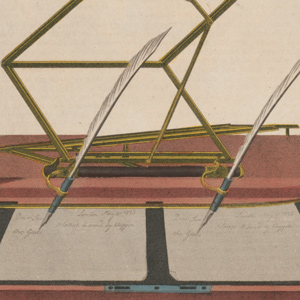
While Meriwether Lewis moves along the Wilderness Road towards his home near Charlottesville, Virginia, Thomas Jefferson and Charles Willson Peale work on perfecting their polygraphs—machines used to create copies of letters as they’re written.
November 20, 1806
Ordway's journal
by Kristopher K. Townsend
In present Middlesboro, Kentucky, Arthur Campbell meets with Meriwether Lewis and John Ordway. Campbell writes a letter of introduction to the father of American geography encouraging the use of Ordway’s journal to further the knowledge of the West.
November 19, 1806
The news reaches Hartford
by Kristopher K. Townsend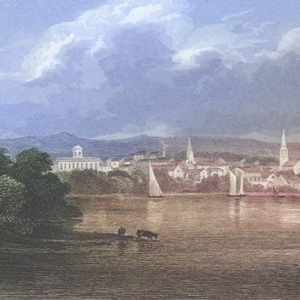
While Meriwether Lewis, John Ordway, François Labiche, and the Mandan delegation approach the Cumberland Gap on their way to Washington City, news of the expedition’s return reaches Hartford, Connecticut.
November 15, 1806
Parting ways at Frankfort
by Kristopher K. Townsend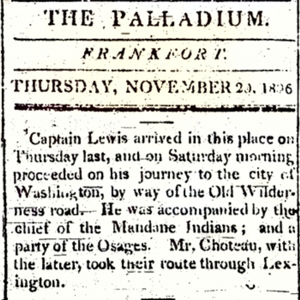
Meriwether Lewis and Mandan chief Sheheke’s family leave Frankfort bound for Washington City via the Wilderness Road. Also headed to Washington, Pierre Chouteau takes the Osage delegation through Lexington. The two parties will not re-unite until late December.
November 14, 1806
More news of the arrival
by Kristopher K. Townsend
More news of the arrival reaches Washington City when the “National Intelligencer” reprints the “Kentucky Western World” article of 11 October 1806. The article includes the eighteen toasts given at William Christy’s inn on 25 September. Washington citizens look forward to the arrival of the captains so they can raise their own toasts.
November 13, 1806
Frankfort arrival
by Kristopher K. Townsend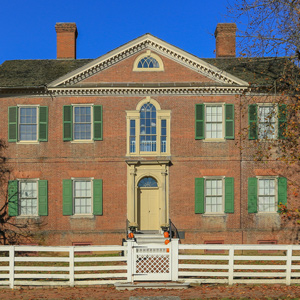
From a Frankfort, Kentucky “The Palladium” article, we learn of the arrival of Meriwether Lewis. With him is an Osage delegation led by Pierre Chouteau; interpreters René Jusseaume and François Labiche; Mandan chief Sheheke; and John Ordway.
November 12, 1806
Burr's "depravity"
by Kristopher K. Townsend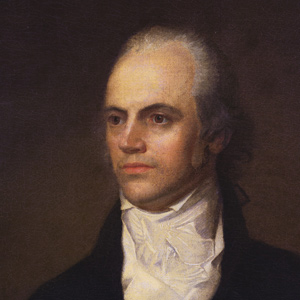
While Meriwether Lewis and his entourage travel between Louisville and Frankfort, 395 river miles up the Ohio, former Vice President Aaron Burr is recruiting soldiers and amassing men and supplies on Blennerhassett Island. From Natchez, Mississippi, General James Wilkinson warns President Thomas Jefferson of Burr’s “spectacle of human depravity”.
November 10, 1806
News reaches Philadelphia
by Kristopher K. Townsend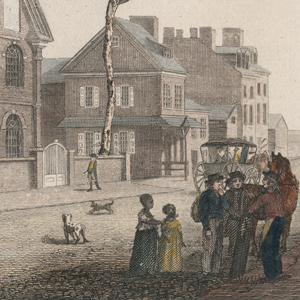
News of the expedition’s return to St. Louis reaches Philadelphia as printed in “The United States Gazette”. The paper reprints an extract of a letter written in St. Charles, and in a second article, the paper describes the celebrations in St. Louis.
November 9, 1806
Thomas Prather's purchases
by Kristopher K. Townsend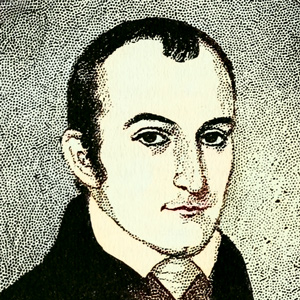
On his way to Washington City, Meriwether Lewis makes purchases on behalf of Mandan chief Sheheke’s family and the Osage delegation traveling with him. Today, he fills in a bill of exchange for a sizable purchase from prominent Louisville merchant Thomas Prather’s store.
November 8, 1806
Louisville gala
by Kristopher K. Townsend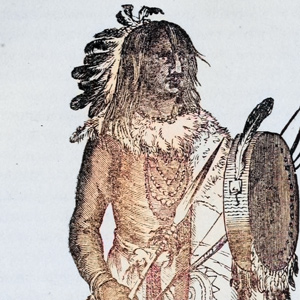
In Louisville, a gala is held with the special entertainment being Meriwether Lewis, William Clark, and the Osage and Mandan delegates. The event is noted by Clark’s brother Jonathan and likely one of the balls described by Patrick Gass in his biography.
Near present Lakin in southwestern Kansas, Zebulon Pike‘s expedition stops to rest their horses, dry meat, and mend their moccasins.
November 7, 1806
Recruiting horses
by Kristopher K. Townsend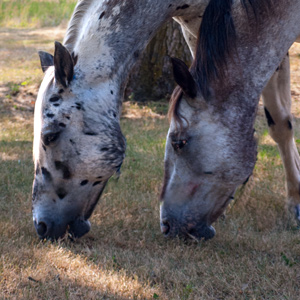
Lewis, Clark, and the Osage and Mandan delegations spend the day in Louisville at the Falls of the Ohio, Clark’s hometown.
Elsewhere, another western expedition marches 18 miles, and then camps for two nights near present Lakin in southwestern Kansas to “recruit” (rest) their horses.
November 6, 1806
Gass' deputation
by Kristopher K. Townsend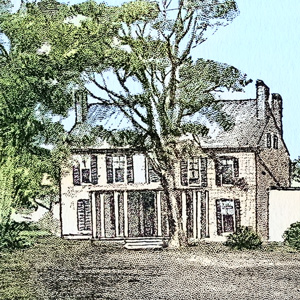
For Lewis, Clark, and the Osage and Mandan deputation, today is their first full day in Louisville at the Falls of the Ohio. No doubt Lewis is trying to impress the delegates, and Clark is catching up with family and friends.
In Western Kansas, the Zebulon Pike Expedition encounters bison in numbers exceeding imagination.
November 5, 1806
Clark's homecoming
by Kristopher K. Townsend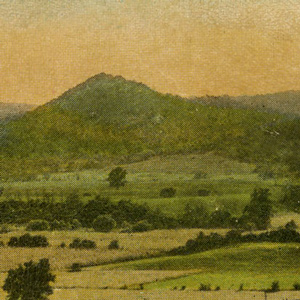
The arrival of Meriwether Lewis, William Clark, and their entourage at the Falls of the Ohio is noted by Clark’s older brother.
Back in St. Louis, problems with French and Spanish land titles mount as the former Surveyor General writes his defense against the unfavorable review he received when Lewis and Clark inspected his books of plots and surveys.
November 4, 1806
Through the Barrens
by Kristopher K. Townsend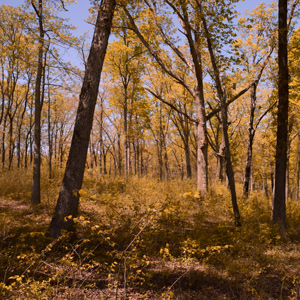
Lewis, Clark, and the Osage and Mandan delegations travel along the Buffalo Trace. On or near this day, they cross the Blue River and travel through a drier eco-system known as the Barrens.
In New York, Clark’s letter that he wrote in St. Louis on 23 September is published in the “New-York Evening Post”.
November 3, 1806
Blue River crossing
by Kristopher K. Townsend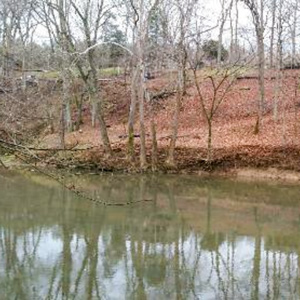
Lewis, Clark, and their Osage and Mandan delegations travel across Indiana following the Buffalo Trace, a Vincennes to Louisville trail. On or near this day, they reach the Blue River crossing—a popular camping spot.
In Washington City, President Jefferson writes to his son-in-law to tell him that he expects Lewis to arrive home any day. The “National Intelligencer” announces the expedition’s return and includes a letter from “a gentleman in St. Charles” who writes about Nez Perce horses and a large bighorn sheep specimen.
November 2, 1806
Along the Buffalo Trace
by Kristopher K. Townsend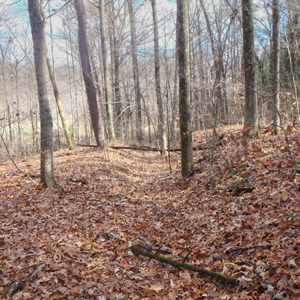
Lewis, Clark, and their Osage and Mandan delegations travel across Indiana following a trail between Vincennes and Louisville known as the Buffalo Trace.
In China, Captain Sam Hill of the Lydia reaches Canton with a copy of Lewis and Clark’s notice written 19 March 1806 at Fort Clatsop.
In Washington City, British minister Anthony Merry sends news of the expedition’s return to England.
November 1, 1806
White River crossing
by Kristopher K. Townsend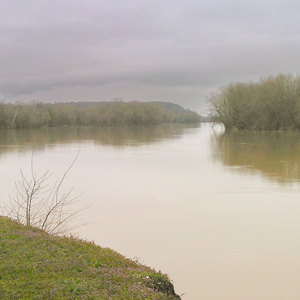
On or near this day, Lewis, Clark, and the Osage and Mandan delegates cross the often-dangerous White River and continue east along the river’s east fork.
In Washington City, President Thomas Jefferson writes to master surveyor Andrew Ellicott expressing his hope that Lewis will “bring us a treasure”—celestial observation data that will correct the latitudes of North America.
October 31, 1806
Crossing the Great Marsh
by Kristopher K. Townsend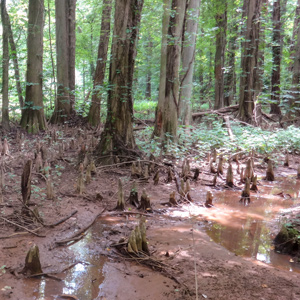
On or near this day, Lewis, Clark, and the Osage and Mandan delegates leave Vincennes for Louisville. They follow ancient buffalo traces leading across the Great Marsh likely camping near the White River crossing. Earlier travelers recorded their experience navigating this cypress swamp created by the Deshee River.
October 30, 1806
Shopping in Vincennes
by Kristopher K. Townsend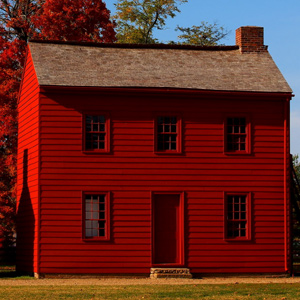
Meriwether Lewis, William Clark, and the Mandan and Osage delegations are in Vincennes, Illinois on their way to Louisville and Washington City. Lewis buys rations and supplies from local merchant George Wallace, and Clark’s 1794 journal tells of the popularity of balls among the town’s residents.
October 29, 1806
Beautiful town, delightful river
by Kristopher K. Townsend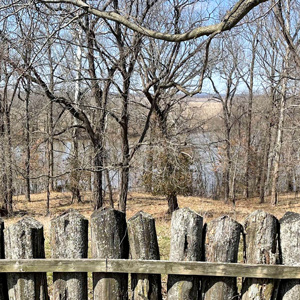
After crossing the Embarras River near present Lawrenceville, Meriwether Lewis, William Clark, and the Osage and Mandan delegates head southeast to Vincennes on the far shore of the Wabash River. Both George Rogers Clark and his brother William left written records of their time there.
October 28, 1806
The Embarras River
by Kristopher K. Townsend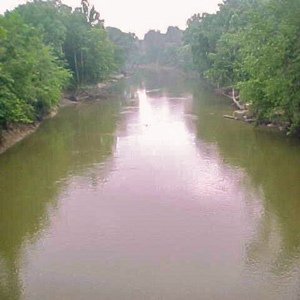
After crossing the Little Wabash and Fox Rivers, Lewis, Clark, and the Osage and Mandan delegations travel east towards the Embarras River. About a decade earlier, French traveler Comte de Volney described the trail.
October 27, 1806
Announcing the return
by Kristopher K. Townsend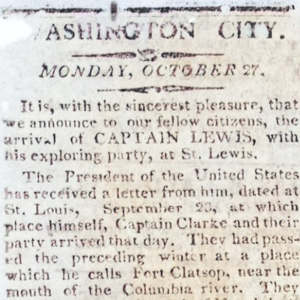
On or near this day, Lewis, Clark, the Osage and Mandan delegates cross the Fox River, Little Muddy Creek, and Little Wabash River—perhaps camping on the eastern hills near present Olney, Illinois. In 1779, George Rogers Clark’s small battalion took over two days to cross these flooded streams.
In Washington City, the “National Intelligencer” announces the expedition’s return to St. Louis. Based on a letter from Lewis to Jefferson written 23 September, the article states that Lewis and a “great Mandan chief” will be visiting the city.
October 26, 1806
Jefferson's unspeakable joy
by Kristopher K. Townsend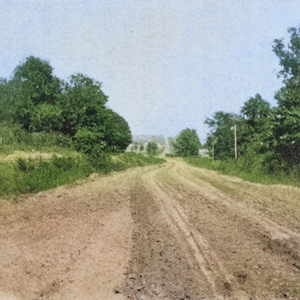
In the Illinois Territory, Lewis, Clark, and the Osage and Mandan delegates travel east towards Vincennes. On or near this date, they cross the Skillet Fork. Seventeen years earlier, Clark’s brother George Rogers encountered many buffalo along this stretch.
In Washington City, President Thomas Jefferson replies to Meriwether Lewis’s 23 September 1806 letter announcing the expedition’s safe return. He also passes along the good news to Lewis’s brother, Reuben.
October 25, 1806
Lewis's new appointment
by Kristopher K. Townsend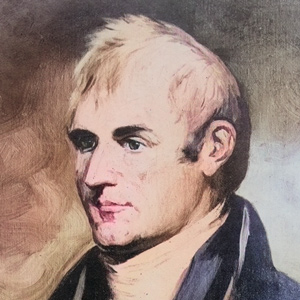
In Washington City, U.S. Secretary of the Treasury Albert Gallatin writes to President Thomas Jefferson to discuss the logistics of the appointment of Meriwether Lewis as governor of Upper Louisiana Territory.
In the Illinois Territory near this date, future Governor Lewis, Clark, and the Osage and Mandan delegates turn east near present Xenia where the Kaskaskia-Vincennes and St. Louis-Vincennes traces merge.
October 24, 1806
Jefferson's press release
by Kristopher K. Townsend
On or just after this day, President Thomas Jefferson acknowledges the receipt of Meriwether Lewis’s letter announcing the expedition’s arrival in St. Louis on 23 September 1806. He sends a press release for the “National Intelligencer” of Washington City.
In Illinois, Clark, Lewis, and the Osage and Mandan delegations continue crossing the plains enroute to Vincennes. With them are two Mandan wives and up to five children.
In Kansas, Zebulon Pike describes prairie dog towns and their potential as a food source.
October 23, 1806
Swampy Illinois trails
by Kristopher K. Townsend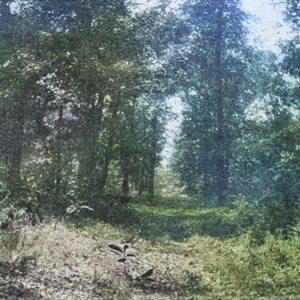
William Clark, Meriwether Lewis, and the Osage and Mandan delegations travel the often swampy trail to Vincennes, the capital of the Territory of Indiana. They follow the historic traces originally created by migrating bison and developed by Native Americans.
In present Kansas, Zebulon Pike’s expedition needs bison hides to make bull boats. One bull takes nineteen balls before dropping.
October 22, 1806
The Kaskaskia-Vincennes Trace
by Kristopher K. Townsend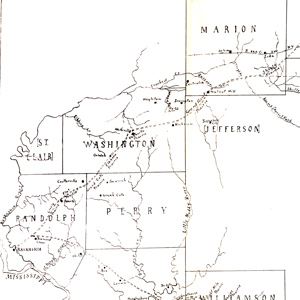
On or near this day, Captain Lewis, civilian William Clark, and two delegations leave Kaskaskia bound for Vincennes. Their path follows the traces made over thousands of years by bison migrating across present Illinois. To avoid deep river crossings and miry swamps, these environmental trails typically crossed forests and meadows along the higher elevations. Transitory Native Americans took full advantage of these trails as did early Americans traveling through the states and territories bordering the Ohio River.
On the Arkansas River near present Great Bend, Kansas, explorer Zebulon Pike prepares to take celestial observations and completes the frame of a “skin Canoe”.
October 21, 1806
Leaving St. Louis
by Kristopher K. Townsend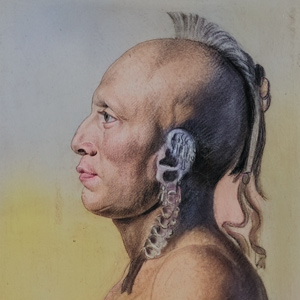
On or about this day, Meriwether Lewis, William Clark leave St. Louis bound for Washington City. With them are a delegation from the Osage Nation, Pierre Chouteau, York, and Mandan chief Sheheke and his family. They likely rendezvous at Fort Kaskaskia where former expedition members John Ordway and François Labiche wait with horses, supplies, and equipage.
Near Lexington, Kentucky, U.S. Attorney General John Breckinridge writes to President Thomas Jefferson to explain his absence in Washington City. He mentions that he has been expecting a visit from Meriwether Lewis.
October 20, 1806
Asking for news
by Kristopher K. Townsend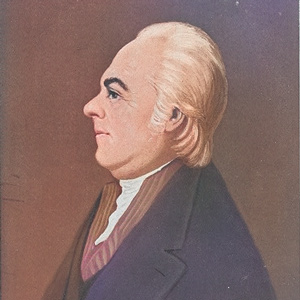
In early 1803, United States Surveyor General Andrew Ellicott trained Meriwether Lewis in celestial navigation and helped him acquire the requisite instruments for the expedition. On this day, he writes to President Thomas Jefferson expressing his views on the re-election of Governor Thomas McKean. He also asks for news about the Lewis and Clark Expedition.
October 19, 1806
Land-claims controversy
by Kristopher K. Townsend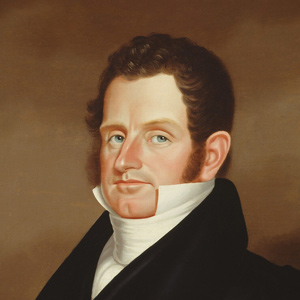
By this date, Lewis and Clark inspect the ledger books of Louisiana Surveyor General Antoine Soulard amidst a land-claims controversy. James Wilkinson writes a letter to Albert Gallatin praising Soulard and disparaging investigator William Carr who requested the audit.
October 18, 1806
Arkansas River rendezvous
by Kristopher K. Townsend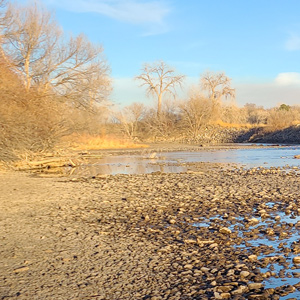
In St. Louis, shopping and other preparations are nearly complete, and the captains will soon leave for Washington City. Near present Great Bend, Kansas, explorer Zebulon Pike is reunited with his men. Hoping to send some of them back home, he searches for trees to make canoes.
October 17, 1806
St. Louis purchases
by Kristopher K. Townsend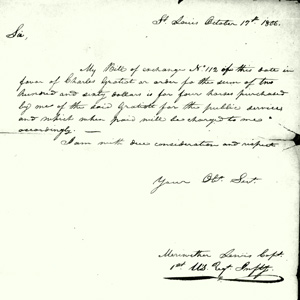
In preparation for their return to Washington City, Meriwether Lewis purchases four horses from Charles Gratiot and goods or services for “public purposes” from William Christy and two other St. Louis merchants.
October 16, 1806
Feasting on marrow bones
by Kristopher K. Townsend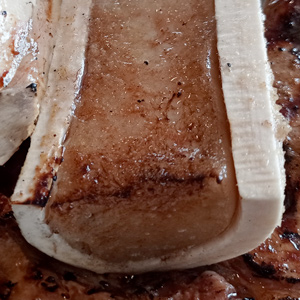
As preparations to leave St. Louis for Washington City near completion, explorer Zebulon Pike is separated from his expedition in central Kansas. His small group “feasts sumptuously” on the marrow bones of four buffalo similar to York while descending the Yellowstone.
October 15, 1806
Frazer's prospectus
by Kristopher K. Townsend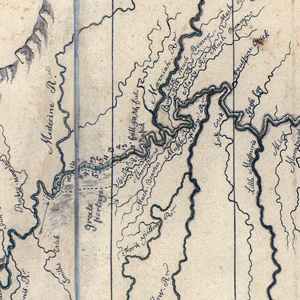
On or near this day, Pvt. Robert Frazer publishes his prospectus promising the publication of his journal of the Lewis and Clark Expedition. Subscribers are asked to pay three dollars.
October 14, 1806
Lewis's sketch
by Kristopher K. Townsend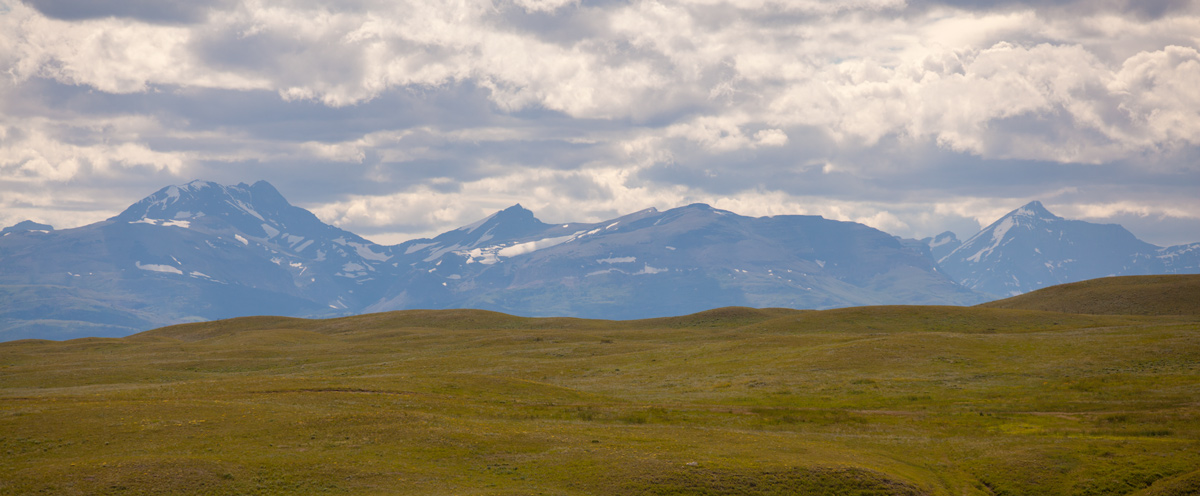
An unknown person in Cahokia mails a copy of Meriwether Lewis’s sketch of the expedition. In the sketch, he admits the United States cannot claim land above the 49th parallel. His sketch would eventually reach trader and explorer David Thompson of the Northwest Company c. 1807.
October 13, 1806
More bills
by Kristopher K. Townsend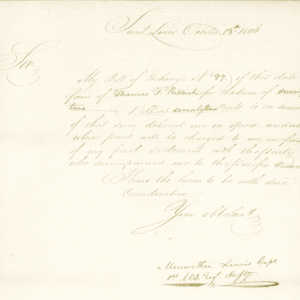
On this day, Meriwether Lewis pays more bills: one bill of exchange to Pvt. George Gibson, and two more for St. Louis merchants Thomas Reddick and James Martin.
October 12, 1806
Paying bills
by Kristopher K. Townsend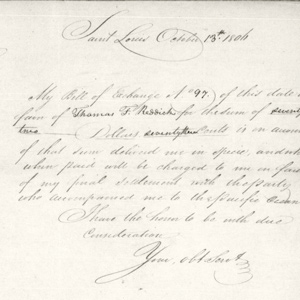
Meriwether Lewis continues billing the War Department for expedition expenses. Today, Sgt. Nathaniel Pryor, Pvt. Peter Weiser, and a St. Louis merchant are paid.
October 11, 1806
Final pay
by Kristopher K. Townsend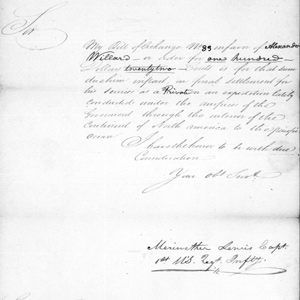
In St. Louis, Meriwether Lewis fills in form letters to obtain the final pay for at least nine enlisted men: William Bratton, Thomas Howard, Joseph Field, John Shields, George Shannon, Richard Windsor, John Potts, Alexander Willard, and John Collins.
October 10, 1806
Clark resigns, Bratton discharged
by Kristopher K. Townsend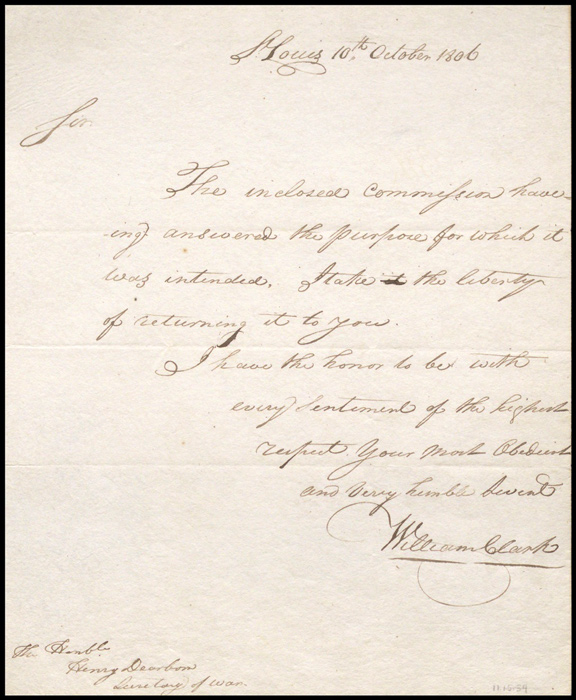
In St. Louis, the captains attend to post-expedition details. Clark resigns his commission as Lieutenant in the Corps of Artillerists, and Lewis writes discharge papers for Pvt. William Bratton.
Experience the Lewis and Clark Trail
The Lewis and Clark Trail Experience—our sister site at lewisandclark.travel—connects the world to people and places on the Lewis and Clark Trail.
Discover More
- The Lewis and Clark Expedition: Day by Day by Gary E. Moulton (University of Nebraska Press, 2018). The story in prose, 14 May 1804–23 September 1806.
- The Lewis and Clark Journals: An American Epic of Discovery (abridged) by Gary E. Moulton (University of Nebraska Press, 2003). Selected journal excerpts, 14 May 1804–23 September 1806.
- The Lewis and Clark Journals. by Gary E. Moulton (University of Nebraska Press, 1983–2001). The complete story in 13 volumes.
This site is provided as a public service by the
Lewis and Clark Trail Alliance
with additional funding from the following: