Kristopher Townsend
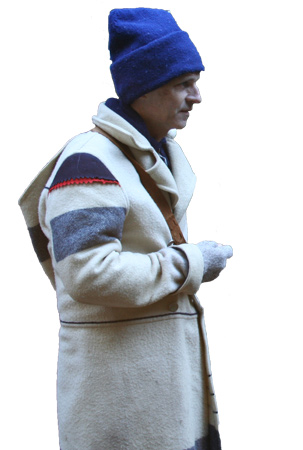
From the Pacific Northwest Living Historians at Lewis and Clark National Historic Park, Fort Clatsop.
Since 2016, Kristopher K. Townsend has been the webmaster and editor of this site, Discovering Lewis & Clark®. He has been actively photo-documenting the Lewis and Clark Trail since 1995. He attempts as closely as possible to re-create scenes as described in the journals including the same time of year, natural state, location, and weather. He has contributed numerous photos throughout the Discovering Lewis & Clark website.
Kris taught several years as a tenured instructor at Spokane Falls Community College. His courses included Internet programming and other information technology and computer science courses. During that time, he was also the series editor and an author of a popular college textbook series on Office Technology.
Shortly after the advent of the World Wide Web, he managed a web server featuring digital photos, digital video, and articles created by his Glenwood Heights Primary students. Topics included historical sites of Clark County (Washington State), wildflowers and birds of Clark County, and how-to videos for school’s physical education program.
Contributions to this Site
The Sauks and Foxes
by Kristopher K. Townsend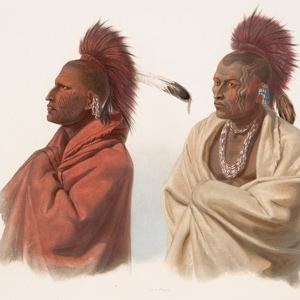
To outsiders in 1803, the Sauk and Fox people living on the Mississippi River in Illinois, Iowa, and Wisconsin were seen as one people. Both peoples spoke the Sauk-Fox-Kickapoo dialect of Algonquian and had similar cultures and economies.
The Illinois Tribes
by Kristopher K. Townsend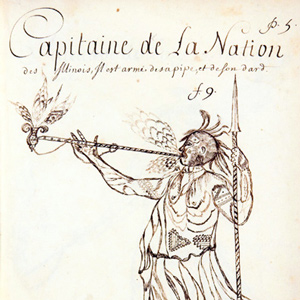
The expedition set up camp near a town named after the Cahokia, one the Illinois tribes. The captains reported that Missourias, the Illinois, Cahokias, Kaskaskias, and Piorias were nearly destroyed by the Sauks and Foxes.
The Cheyennes
by Kristopher K. Townsend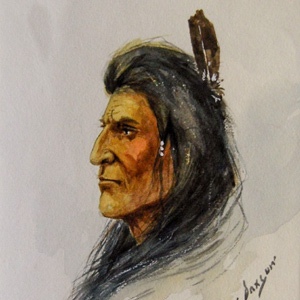
Many, including the expedition members, misheard the people’s name as ‘chien’—French for ‘dog’. Their name actually comes from the Sioux exonym shahíyena, perhaps meaning ‘people of alien speech’. The captains thought that they might make good trading partners.
The Kickapoos
Always on the move
by Kristopher K. Townsend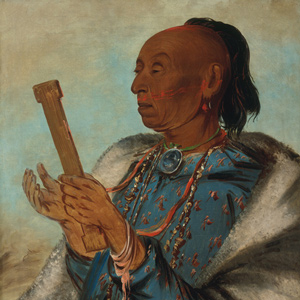
Perhaps more than any North American people, the Kickapoo exemplify the transitory nature of the native nations encountered during the Lewis and Clark Expedition. In 1803, there was at least one village near Ste. Genevieve on the Mississippi River.
John Evans
Mapping the way
by Joseph A. Mussulman, Kristopher K. Townsend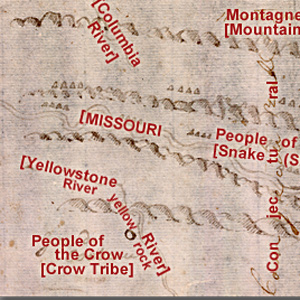
John Evans provided maps of the Missouri River and Rocky Mountains, the most significant outcome of the Mackay-Evans Expedition.
The Engagés
A French connection
by Kristopher K. Townsend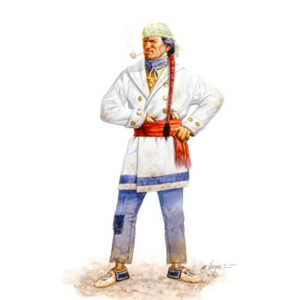
Whether they be boatmen, interpreters, traders, privates in the U.S. Army, diplomats, or cultural guides, the contribution of the French men already living in the Illinois and Louisiana region was “mission critical.”
The Lenape Delawares
by Kristopher K. Townsend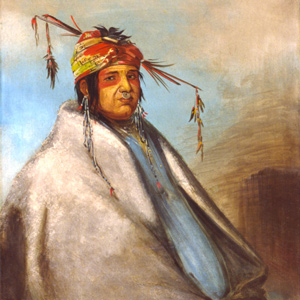
About 1784, a small group of Shawnee and Delaware migrated from Illinois to southeastern Missouri. Ten years later, the Spanish encouraged members in Illinois to migrate the Cape Girardeau area as a way to protect their own settlements from the Osage.
The Shawnees
by Kristopher K. Townsend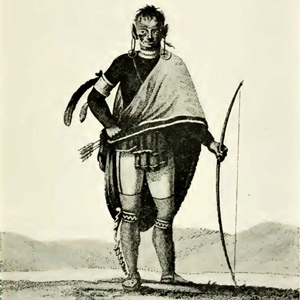
As soon as the expedition boats arrived at the Mississippi River, the captains began counting Shawnee people. The Estimate of the Eastern Indians reports that 600 “Shawonies” were living on the “apple River near Cape Gerardeau.”
The Clatsops
by Kristopher K. Townsend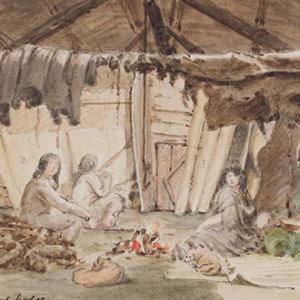
The creek where Coyote built his legendary house—today’s Neacoxie Creek—flows north to south bisecting nearly the length of the Clatsop Plain. A village at the estuary created by the ocean, Neacoxie Creek and the larger Necanicum River is Ne-ah-coxie Village. Nearby were three other Clatsop villages, and for a short time, a salt works built by soldiers from the Lewis and Clark Expedition.
The Clackamases
by Kristopher K. Townsend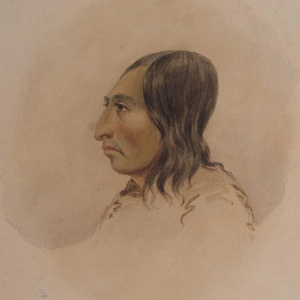
The Clackamas people had about twelve villages south of the Columbia River, along the Clackamas River, and at Willamette Falls in what is now Portland and Oregon City. They spoke the Clackamas dialect as did nearby Multnomahs and Skilloots. On 2 April 1806, two young Clackamas men came to “Provision Camp” near present-day Washougal and sketched a map of the Willamette River, the mouth of which the expedition captains had failed to find.
The Mandans
by Kristopher K. Townsend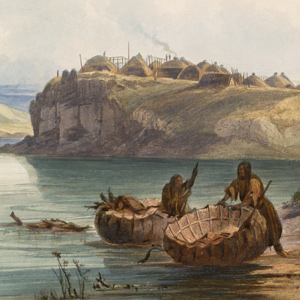
After the 1781 smallpox epidemic, the Mandan had moved into to a more defensible position in two villages immediately south of the Hidatsa at the Knife River. The Mandan-Hidatsa alliance had developed many years prior, and the two tribes previously shared their large hunting territory to the west.
The Umatillas
by Kristopher K. Townsend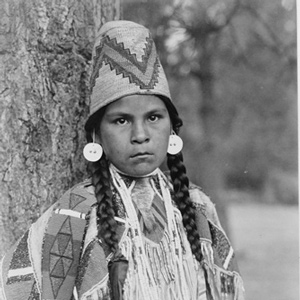
After emerging from the Wallula Gap on 19 October 1805, Clark came across some Umatillas hiding in their lodges, and he committed a serious faux pas by entering without permission.
The Yakamas
by Kristopher K. Townsend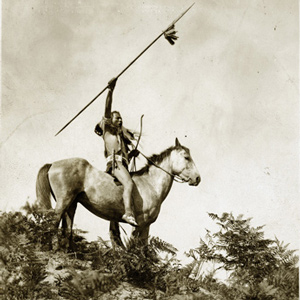
The Yakama’s first Euro-American contact was the Lewis and Clark Expedition in 1805. The captains named the people Chim’-nah-pum’ which was the name of the village at the mouth of the Yakima River.
The Apsáalooke (Crows)
The Raven Nation
by Kristopher K. Townsend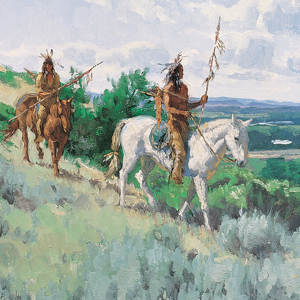
The Mountain Apsáalooke and Awatixa Hidatsa share a common ancestry as do the River Apsáalooke with the Hidatsa proper. During the expedition, no one would see any Crow People, but those people certainly noticed the expedition passing through stealing all the horses Clark had with him.
The Atsinas
by Kristopher K. Townsend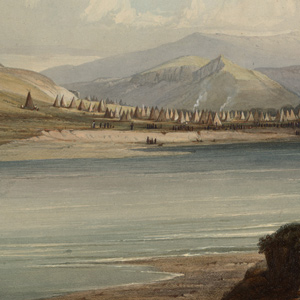
Today, they are called the Atsina or Gros Ventre, but their names in the historical literature—Big Bellies, Gros Ventre and Minnetares—cause confusion even to this day. The expedition never met them, but their presence affected the expedition in several ways.
The Blackfeet
by Kristopher K. Townsend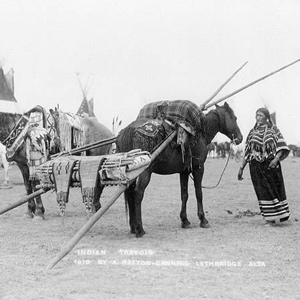
They commonly called themselves saokí•tap•ksi meaning ‘prairie people.’ The meaning ‘people with black feet’ comes from exonymns—the names given by other, external tribes. Historically, several related groups comprise the Blackfoot or Blackfeet people.
The Potawatomis
by Kristopher K. Townsend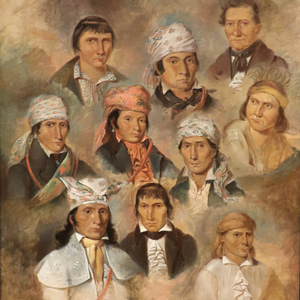
By 1800, the Potawatomi had successful traded with the French to the north and the Spanish in St. Louis. They resided in a large region surrounding the southern half of Lake Michigan between the Mississippi River and Lake Erie and extending south to the mouth of the Illinois River.
The Omahas
by Kristopher K. Townsend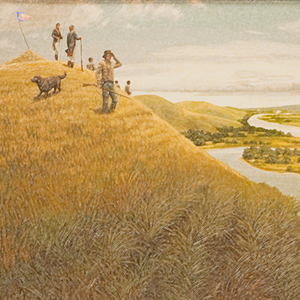
The captains appeared eager to meet with the Omaha. They tried to find them at their two biggest villages and planted a flag at the gravesite of the chief who for many years had controlled trade in the region, the infamous Blackbird.
The Pawnees
by Kristopher K. Townsend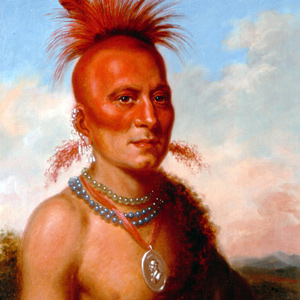
Although Clark referred to the Pawnee often and included them in the Estimate of the Eastern Indians, the journals do not document any face-to-face encounters.
Making Pemmican
by Kristopher K. Townsend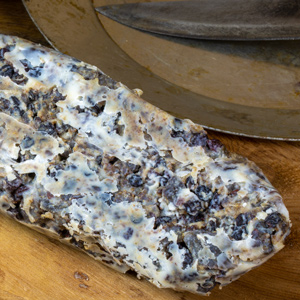
This staple Indian food was adopted by northern explorer Alexander Mackenzie, Lewis and Clark, and the North American fur trade. This article explains how it was made, why it worked well for travelers, and how it was made and eaten. Recipe included.
The Cayuses
by Kristopher K. Townsend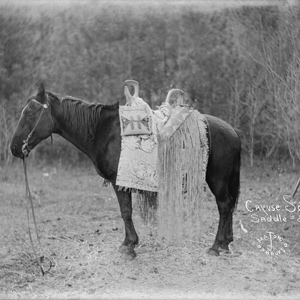
Clark’s name for the Cayuse, the Ye-E-al-po Nation, may have been his phonetic spelling of the Nez Perce name for them—Waiilatpu. The people are noted for their namesake horses and the 1847 murders at the Whitman Mission.
Salishan Peoples
by Barbara Fifer, Kristopher K. Townsend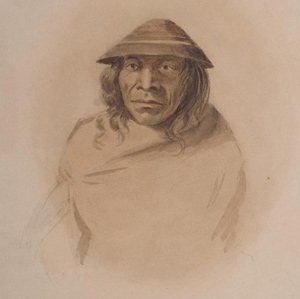
Two widely separated branches of Salishan languages developed prior to 1800, Coastal and Interior. Lewis and Clark encountered several nations from both of these branches.
The Walla Wallas
by Kristopher K. Townsend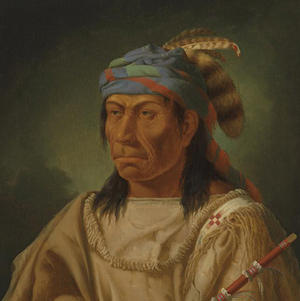
Walla Wallas, sometimes Waluulapam and sometimes on this site as Walula, are a Sahaptin-speaking indigenous people that lived primarily along their namesake river. There has been disagreement among historians regarding the nation’s etymology.
The Nez Perce
by Kristopher K. Townsend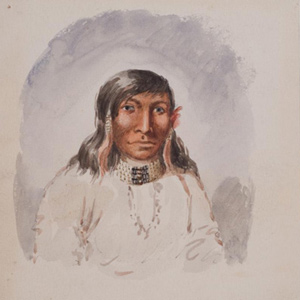
First encountered September 1805 when John Colter met them on Lolo Creek near Travelers’ Rest, they would remain with the expedition in one way or another until 25 October 1805 saying their goodbyes at Rock Fort at The Dalles of the Columbia River. They were together again between 23 April 1806 and 4 July 1806, the expedition’s longest period of contact with any Native American Nation.
Smoking
Smoking on the expedition
by Joseph A. Mussulman, Kristopher K. Townsend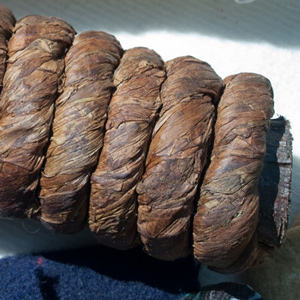
The captains would have to ration their dwindling supplies, and the smokers would have to extend their tobacco with leaves and inner bark from local plants and trees. The captains would also learn the endless variety of ceremonies practiced when sharing a pipe the People they met.
The Otoes and Missourias
by Kristopher K. Townsend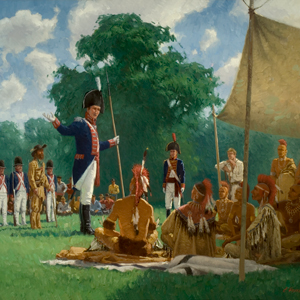
At the time of the expedition, the nation from which the Missouri River derived its name were so reduced by smallpox and attacks that they had abandoned their villages and merged with other tribes—Kansas, Osages, but primarily, the Otoes.
The Osages
by Joseph A. Mussulman, Kristopher K. Townsend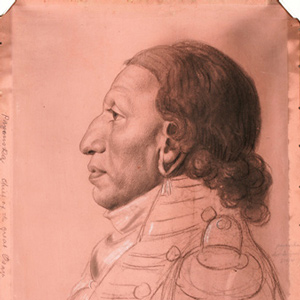
The Osage were experienced traders, exchanging horses and Indian slaves for French guns, knives, axes, kettles, and other metal objects. After the 1760s, the Osage adopted a new economic system of planting gardens in permanent villages, summer hunts in the plains, and fur-trapping in the winter.
The Teninos
by Kristopher K. Townsend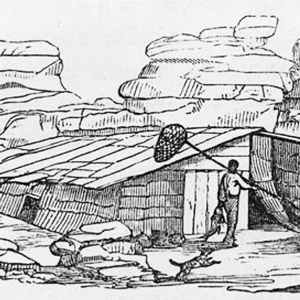
At the time of the Lewis and Clark Expedition, the Teninos lived on the north side of the Columbia River and controlled key fishing areas on the river’s south side. Tenino was a small village at Five Mile Rapids above The Dalles of the Columbia.
Cottonwoods
Populus sp.
by Joseph A. Mussulman, Kristopher K. Townsend, Mark Behan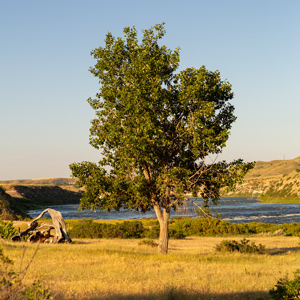
During the Expedition, they encountered four species of cottonwood trees as they moved across North America. One wonders how they would have managed without them.
The Assiniboines
by Kristopher K. Townsend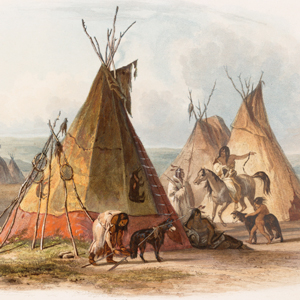
The Assiniboines were nomadic hunter-gatherers roaming primarily along the rivers in Saskatchewan and western Manitoba. They often dropped south into present-day Montana and North Dakota, especially in their role as middle-men between the English trading companies and the Hidatsas to the south.
Peace Medals
Tools of diplomacy and trade
by Joseph A. Mussulman, Kristopher K. Townsend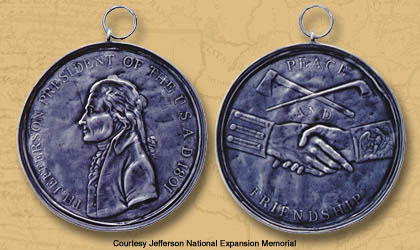
One of the tasks assigned to the expedition was to replace the French, Spanish, and English peace medals previously gifted to North American Indians with those from the United States. The gifts symbolized mutual loyalty in trade and, at least to the Indians, military protection.
The Chilluckittequaws
White Salmon and Smock-shops
by Kristopher K. Townsend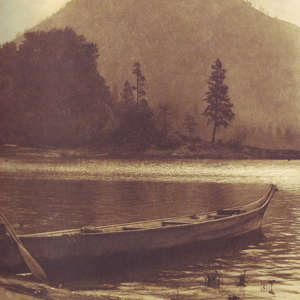
Wind Mountain was at the western extent of a series of Upper Chinookan villages called by Lewis and Clark the “Chilluckkittequaw nation.” Apparently, when asked for a tribal name, the captains were given the word for ‘he pointed at me’. Chilluckittequaw was adopted as their name a century later by early ethnographer Frederick Hodge. Between Wind Mountain and Hood River, nine villages have been identified, some overlapping with Klickitats
The Watlalas
by Kristopher K. Townsend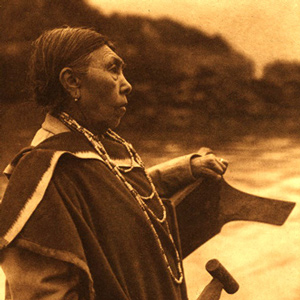
Watlala was the name of a key Upper Chinookan village at the Cascades of the Columbia. The name has been extended by many to mean the tribe more often called the Cascades. The captains called them the Shahala, meaning ‘those upriver.’ The natural constriction of the river provided the people with a fishery and a good measure of control over those who traveled up and down the river. As a result, the Cascade Clahclellah village which the expedition visited on 31 October 1805 and 9 April 1806 was a major trade center before and during white contact.
Jerking Meat
Preserving meat without refrigeration
by Joseph A. Mussulman, Kristopher K. Townsend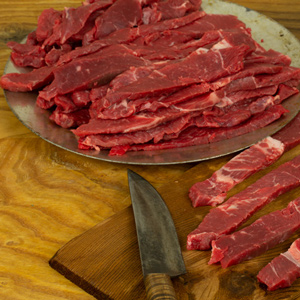
What did the captains mean when they say they stopped to jerk their meat? At the time of the expedition “jerk” simply stood for “dried meat.” This article includes a recipe.
The Arikaras
by Kristopher K. Townsend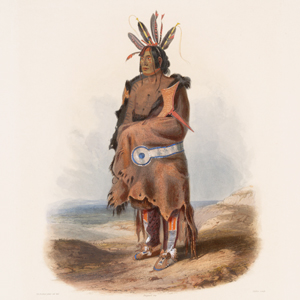
Spelled variously in the expedition journals, Clark sometimes called the Arikara people Pawnee due to their similar linguistic origins—both were Caddoan-speaking people. Weakened by smallpox and Sioux attacks, they would have significant impact on American fur trade interests on the Upper Missouri and affect the lives of several expedition members.
Siouan Peoples
by Kristopher K. Townsend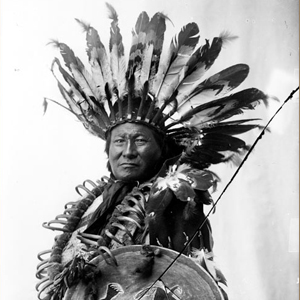
On 31 August 1804, Clark, frustrated in his attempt to draw a clear picture of the Sioux, summarized what he did know. “This Nation is Divided into 20 Tribes possessing Seperate interests . . . .”
The Yankton Sioux
by Kristopher K. Townsend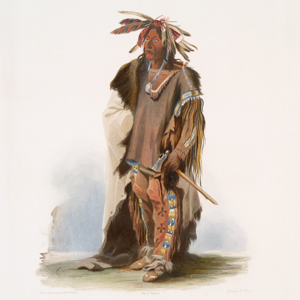
The Yankton along with the Yanktonai make up the Western Dakota division of the Dakota People. Although the Yankton and Yanktonai sometimes considered themselves to be one people, their separate locations resulted in a unique history for each.
The Iowas
by Kristopher K. Townsend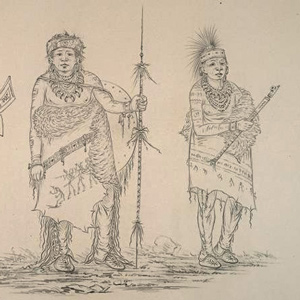
Iowa culture blended lifeways and customs of their neighbors: Horticulture and a well-defined, patrilineal class system was learned from the Sioux, a clan system was adapted from Algonquian-speaking neighbors, and like the Plains culture, they practiced the summer village method of hunting the American bison.
The Hidatsas
by Kristopher K. Townsend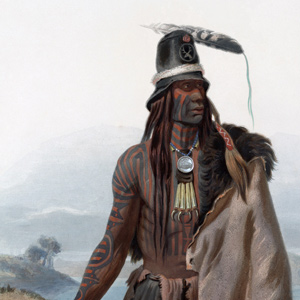
Prior to the expedition, the Hidatsa had settled in three villages just north of two Mandan villages in a complex now called the Knife River Villages. There, they practiced horticulture and hunting in the manner of the Plains Village tradition.
The Multnomahs
by Kristopher K. Townsend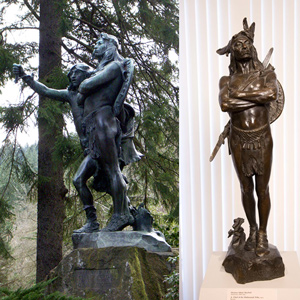
When interviewing William Clark and George Shannon to prepare his condensation of the expedition journals, Nicholas Biddle wrote in his notes that “The Multnomah nation is placed on the Wappatoe Island opposite the mouth of the Multh. river and the inlet which forms the island. . . . the neighbors speak of the Multnomah nations as great &c.”
December 31, 1806
Dinner with Jefferson
by Kristopher K. Townsend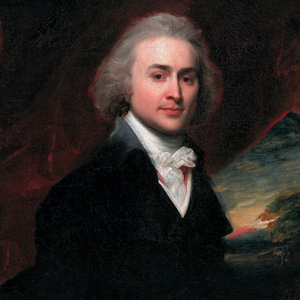
At a dinner with President Thomas Jefferson, Massachusetts Senator and future President John Quincy Adams notices Meriwether Lewis has aged fifteen years. Earlier, a speech was given to the Osage delegates, and a dinner in honor of Lewis and William Clark is announced.
December 30, 1806
Speech to the Mandans
by Kristopher K. Townsend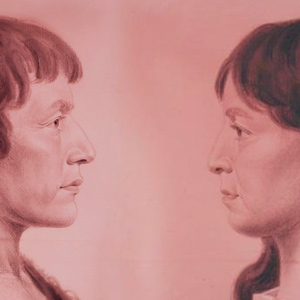
In Washington City, President Thomas Jefferson gives a speech addressed to “The Wolf and people of the Mandan Nation”. He welcomes them, explains why he sent Meriwether Lewis among them, and advises that they live in peace with each other.
December 29, 1806
At the theater
by Kristopher K. Townsend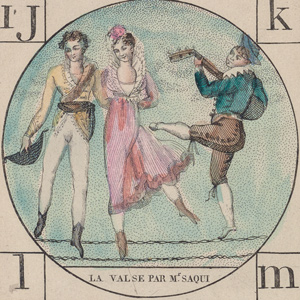
In his book “Jeffersonian America”, British diplomat Augustus Foster describes the reactions of the Mandans during a rope dance performance at the Washington City theater. Also in attendance are five Osage delegates and Meriwether Lewis who gives a nod of approval when they ask to perform the Calumet dance.
December 28, 1806
Lewis and Sheheke arrive
by Kristopher K. Townsend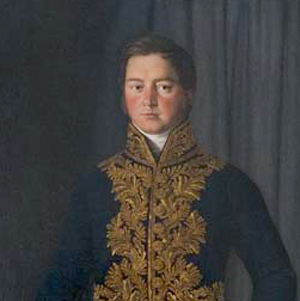
In his book “Jeffersonian America”, Augustus Foster recollects the arrival of Meriwether Lewis and the Mandan delegation at Washington City.
December 26, 1806
Splitting the seeds
by Kristopher K. Townsend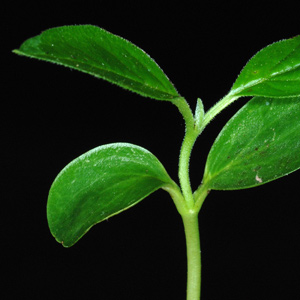
Philadelphian botanist and gardener Bernard McMahon asks Thomas Jefferson for seeds collected by Meriwether Lewis. Soon after, Jefferson recommends splitting the seeds between McMahon and William Hamilton of The Woodlands, then outside Philadelphia.
December 25, 1806
Appalachian Christmas
by Kristopher K. Townsend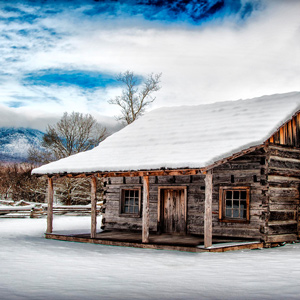
Lewis celebrates Christmas at his family’s plantation at Locust Hill ten miles west of Charlottesville, Virginia. Clark—and presumably York—are eight days away Louisville on the Wilderness Road. The captains’ journal entries from the previous Christmas and New Year’s Day provide hints as to how they are celebrating today.
December 22, 1806
A request for seeds
by Kristopher K. Townsend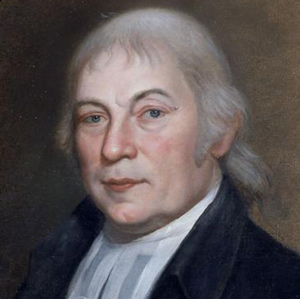
On behalf of one of his Lancaster constituents, U.S. Representative Michael Leib, makes a request for seeds collected by Meriwether Lewis during the Western Expedition.
December 21, 1806
Much botany and natural history
by Kristopher K. Townsend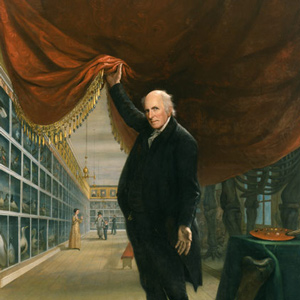
President Thomas Jefferson writes two key supporters of the Western Expedition—botanist Benjamin Smith Barton and museum curator and artist Charles Willson Peale. He tells them that Meriwether Lewis will soon arrive with ‘much in the lines of botany and natural history’.
December 20, 1806
The Osage arrive
by Kristopher K. Townsend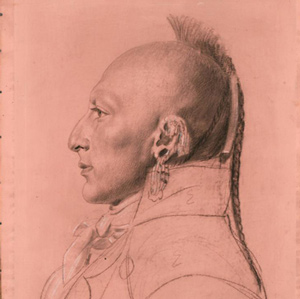
The Osage delegation that left St. Louis in late October with Meriwether Lewis and William Clark arrives in Washington City. New York Senator, physician, naturalist, and expedition supporter Samuel Latham Mitchell records the event in a letter to his wife Catharine.
December 15, 1806
The citizens of Charlottesville
by Kristopher K. Townsend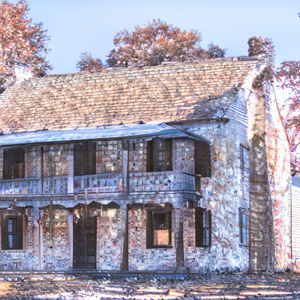
The citizens of Charlottesville, Virginia and Meriwether Lewis exchange short speeches. Dinner and festivities continue at the Stone Tavern. On or near this day, William Clark leaves his home in Louisville, Kentucky for Washington City.
Experience the Lewis and Clark Trail
The Lewis and Clark Trail Experience—our sister site at lewisandclark.travel—connects the world to people and places on the Lewis and Clark Trail.
Discover More
- The Lewis and Clark Expedition: Day by Day by Gary E. Moulton (University of Nebraska Press, 2018). The story in prose, 14 May 1804–23 September 1806.
- The Lewis and Clark Journals: An American Epic of Discovery (abridged) by Gary E. Moulton (University of Nebraska Press, 2003). Selected journal excerpts, 14 May 1804–23 September 1806.
- The Lewis and Clark Journals. by Gary E. Moulton (University of Nebraska Press, 1983–2001). The complete story in 13 volumes.
This site is provided as a public service by the
Lewis and Clark Trail Alliance
with additional funding from the following: