Kristopher Townsend
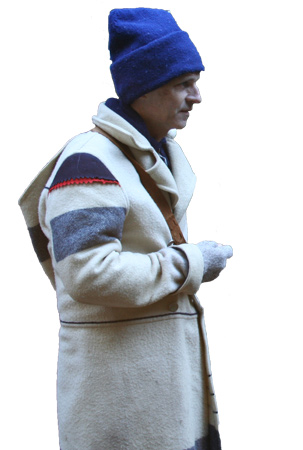
From the Pacific Northwest Living Historians at Lewis and Clark National Historic Park, Fort Clatsop.
Since 2016, Kristopher K. Townsend has been the webmaster and editor of this site, Discovering Lewis & Clark®. He has been actively photo-documenting the Lewis and Clark Trail since 1995. He attempts as closely as possible to re-create scenes as described in the journals including the same time of year, natural state, location, and weather. He has contributed numerous photos throughout the Discovering Lewis & Clark website.
Kris taught several years as a tenured instructor at Spokane Falls Community College. His courses included Internet programming and other information technology and computer science courses. During that time, he was also the series editor and an author of a popular college textbook series on Office Technology.
Shortly after the advent of the World Wide Web, he managed a web server featuring digital photos, digital video, and articles created by his Glenwood Heights Primary students. Topics included historical sites of Clark County (Washington State), wildflowers and birds of Clark County, and how-to videos for school’s physical education program.
Contributions to this Site
April 10, 1803
Napoleon renounces Louisiana
by Kristopher K. Townsend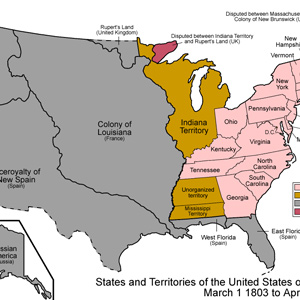
As recorded by French Minister of the Treasury, Barbé de Marbois, Napoleon says “It is not only New Orleans that I will cede; it is the whole colony, without any reservation.” Not only is this needed for the success of the Lewis and Clark Expedition, this decision forever alters the destiny of the United States.
April 8, 1803
A British alliance?
by Kristopher K. Townsend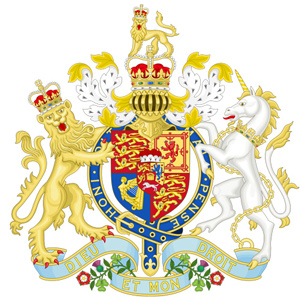
In Washington City, President Jefferson‘s cabinet decides that an alliance with Great Britain should be pursued in case negotiations to obtain Louisiana from France fail. They all agree that war should be prevented for another year.
March 24, 1803
One thousand dollars
by Kristopher K. Townsend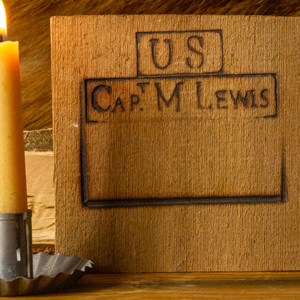
In Washington City, the Secretary of the War Department, Henry Dearborn, informs his purchasing agent Israel Whelan that he will receive $1000 to purchase expedition supplies for Meriwether Lewis.
March 22, 1803
Federalist folly
by Kristopher K. Townsend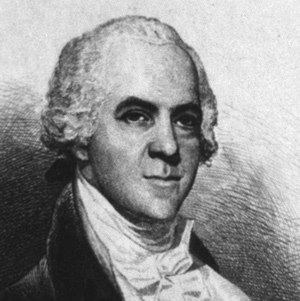
From Monticello, President Jefferson writes to Secretary of State James Madison about a Federalist editorial that recommends Kentucky succeed from the Union. Such an action ran counter to Jefferson’s plans.
March 20, 1803
The Rio Norte
by Kristopher K. Townsend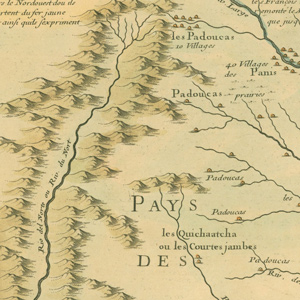
Curious about the location of the “Rio Norte”, President Jefferson writes to Albert Gallatin who has hired a cartographer for the Western Expedition. Lewis is at the Army arsenal in Harpers Ferry.
March 19, 1803
Lewis at Harpers Ferry
by Kristopher K. Townsend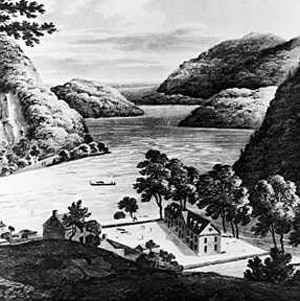
At Harpers Ferry, Lewis secures weapons, ammunition, and oversees construction of the iron-framed boat. At Monticello, President Jefferson discusses Louisiana negotiations.
March 18, 1803
Smallpox prevention
by Kristopher K. Townsend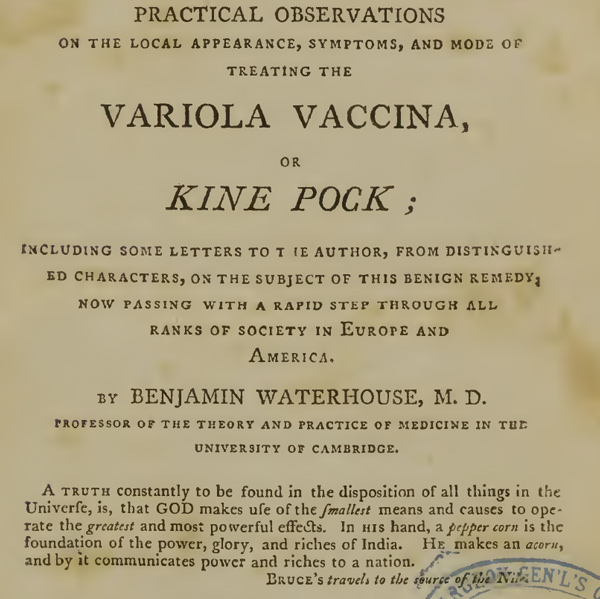
In Monticello, President Jefferson receives the latest book on vaccinating on preventing smallpox by Dr. Benjamin Waterhouse. Lewis likely employed one of his methods moving down the Ohio River.
March 17, 1803
Spain's refusal
by Kristopher K. Townsend
President Jefferson and James Madison exchange letters regarding Spain’s refusal to open the port of New Orleans to American commercial traffic—a problem affecting the future of the Western Expedition.
March 16, 1803
Jefferson's letter
by Kristopher K. Townsend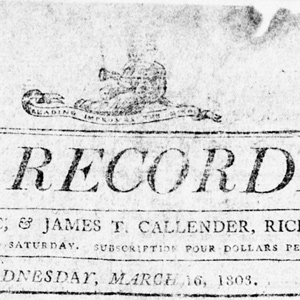
Lewis is traveling to Harpers Ferry to obtain arms, ammunition, and the iron-framed boat. In Richmond, Virginia, a newspaper reprints President Jefferson’s letter regarding the closure of New Orleans.
March 15, 1803
The Astronomy Notebook
by Kristopher K. Townsend
As Lewis travels to the Harpers Ferry armory, Robert Patterson in Philadelphia writes to President Jefferson to tell him that he is preparing a notebook of formulas to help Lewis work with celestial data.
March 14, 1803
Appropriations
by Kristopher K. Townsend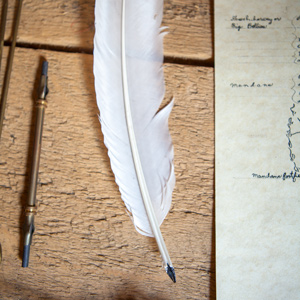
In Washington City, the expedition’s appropriation is made public, and a warrant for $2500 is issued. Lewis is granted access to the Harpers Ferry armory and Israel Whelan, “Purveyor of Public Supplies”.
March 11, 1803
Western plans
by Kristopher K. Townsend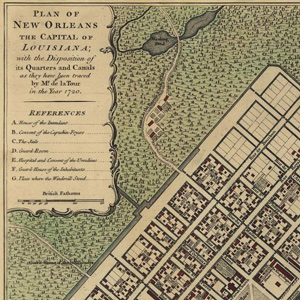
In Paris, the Minister to France explains his plans to solve Spain’s closure of New Orleans. In Virginia, Jefferson arrives at Monticello having set a plan of Western acquisition into motion.
March 9, 1803
Thornton's explanation
by Kristopher K. Townsend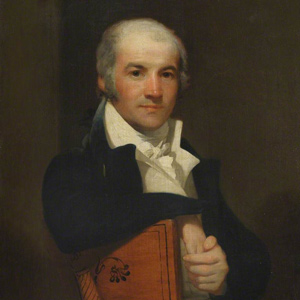
The British Ambassador explains why he issued a passport to Meriwether Lewis. Leaving the intrigues of Washington City behind, Thomas Jefferson reaches Culpeper, Virginia enroute to Monticello.
March 8, 1803
Jefferson heads home
by Kristopher K. Townsend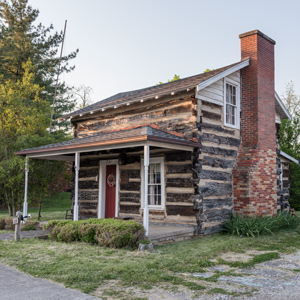
Having secured funding for the Western Expedition, engaged tutors for Meriwether Lewis, and dispatched emissaries to France to obtain Louisiana, President Jefferson heads home to Monticello.
March 7, 1803
Weather delays
by Kristopher K. Townsend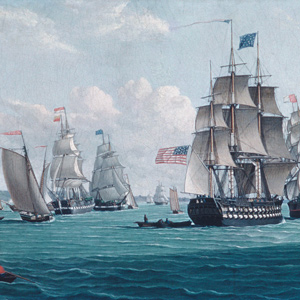
In New York Harbor aboard the Richmond, James Monroe and his family wait for a change in the weather. During the delay, he writes to President Jefferson and reflects on his mission to Paris.
March 6, 1803
Ellicott helps out
by Kristopher K. Townsend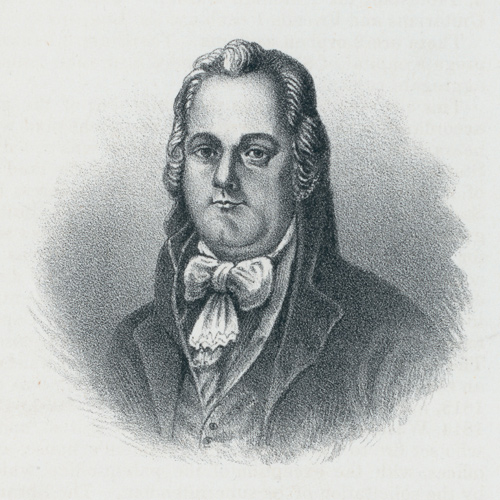
In Lancaster, Pennsylvania, preeminent surveyor Andrew Ellicott writes to President Jefferson accepting his request to tutor Meriwether Lewis to make accurate celestial observations during the expedition.
March 4, 1803
Jefferson's secret plans
by Kristopher K. Townsend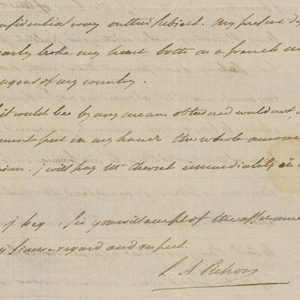
In Washington City, Louis-André Pichon, secretary to the French legation to the United States, explains with remarkable detail President Jefferson’s supposedly secret plans for the Western Expedition.
March 3, 1803
Jefferson's Mississippi strategy
by Kristopher K. Townsend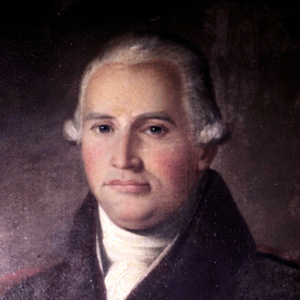
In Washington City, President Jefferson writes to William Dunbar— a naturalist, surveyor, and scientist living in the Mississippi Territory. He explains his plan for obtaining New Orleans and the Floridas.
March 2, 1803
Madison's instructions
by Kristopher K. Townsend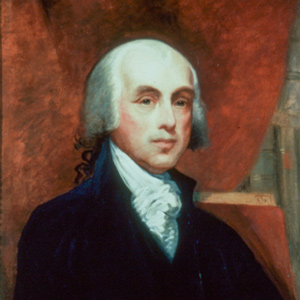
In Washington City, Secretary of State James Madison writes his instructions for negotiating the purchase of Louisiana, and President Jefferson asks Robert Patterson to train Meriwether Lewis.
March 1, 1803
Determining longitude
by Kristopher K. Townsend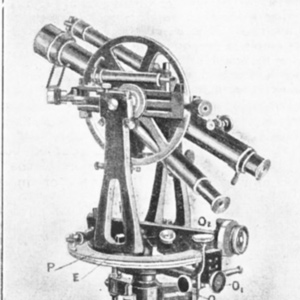
In Washington City, President Jefferson and surveyor Isaac Briggs try to establish a method for Lewis to determine longitude. Louis-André Pichon of the French legation issues Lewis a French passport.
February 28, 1803
Philadelphia mentors
by Kristopher K. Townsend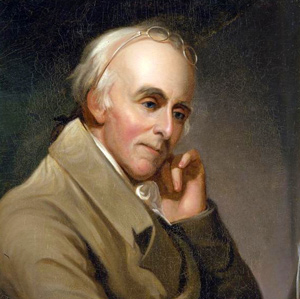
In Washington City, President Jefferson signs the bill authorizing what would become the Lewis and Clark Expedition. He asks Dr. Benjamin Rush and Caspar Wistar to help Lewis while he is in Philadelphia.
February 27, 1803
No ordinary botanist
by Kristopher K. Townsend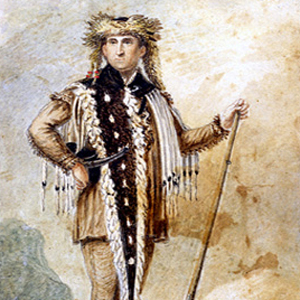
In Washington City, Thomas Jefferson asks Benjamin Smith Barton to train Lewis in natural history. In another letter, he asks the Illinois governor to treat with several Illinois tribes to obtain land.
February 25, 1803
The "two million" bill
by Kristopher K. Townsend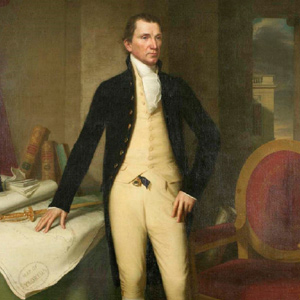
As James Monroe prepares to negotiate with France for Louisiana, President Jefferson writes a letter telling him about the “two million bill” and what would become known as the Lewis and Clark Expedition.
February 24, 1803
Mastodons and megalonyxes
by Kristopher K. Townsend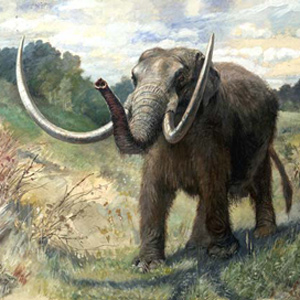
President Jefferson announces the “voyage of discovery” to French naturalist Bernard Lacépède. Jefferson suggests that they may find mastodons and megalonyxes in both fossil and living forms.
February 22, 1803
Expedition funds
by Kristopher K. Townsend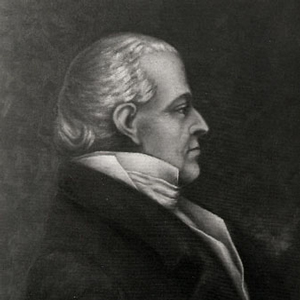
In Washington City, the Senate approves President Jefferson’s request for $2500 to fund the expedition. Also, the American Board of Agriculture organizes with Lewis as a member representing the Territory of Columbia.
February 20, 1803
Thomas Rodney's ask
by Kristopher K. Townsend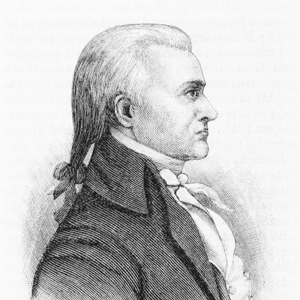
In Dover, Delaware, Thomas Rodney writes to President Jefferson asking for a federal position. In the fall, his two appointments would lead him down the Ohio at the same time as Meriwether Lewis.
February 19, 1803
Stoddard's orders
by Kristopher K. Townsend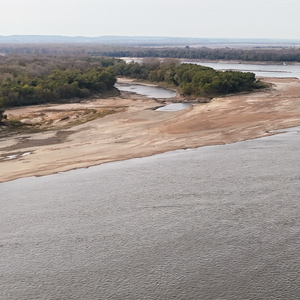
Captain Amos Stoddard is ordered to proceed to Kaskaskia as part of a military buildup along the Mississippi. President Jefferson has little hope of giving Thomas Rodney a federal appointment.
February 18, 1803
Livingston's strategy
by Kristopher K. Townsend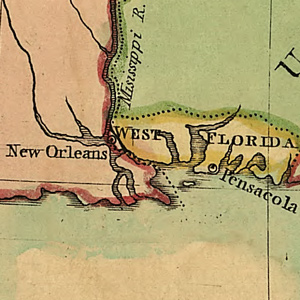
In Paris, France, U.S. Minister Robert Livingston explains to Secretary of State James Madison his strategy to convince France to cede territory in West Florida and Louisiana.
February 16, 1803
The "Mississippi Question"
by Kristopher K. Townsend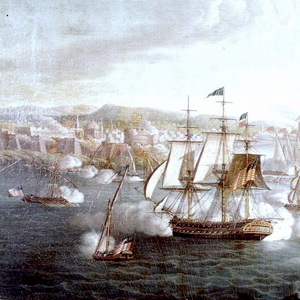
In Washington City, Senator James Ross of Pennsylvania continues his speech regarding the “Mississippi Question.” He recommends ending the Spanish closure of New Orleans to American navigators via military action rather than buy it from France. Thomas Jefferson pays for a two-year subscription to a newspaper devoted to deism.
February 15, 1803
Pressing Indian affairs
by Kristopher K. Townsend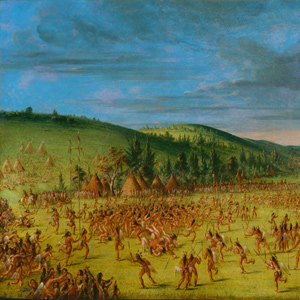 In Washington City, President Jefferson urges the War Department to negotiate for Native Nation lands in the Illinois and Mississippi Territories before France assumes control of New Orleans and Louisiana.
February 14, 1803
The "Mississippi Question"
by Kristopher K. Townsend
In Washington City, Senator James Ross raises his Mississippi Question regarding the closure of New Orleans. Ultimately, an answer will be needed before the Western Expedition can begin.
February 12, 1803
Portsmouth fire donations
by Kristopher K. Townsend
While they wait for Congress to approve funding the Western Expedition, President Thomas Jefferson gives his secretary Meriwether Lewis 100 dollars for pay for a “year’s gazettes”. He also makes a donation to Joseph Willard on behalf of the Portsmouth fire victims.
February 11, 1803
Two new ambassadors
by Kristopher K. Townsend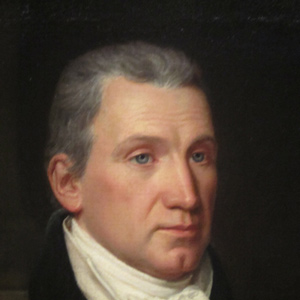
In Washington City, President Jefferson writes a letter of credence granting the powers of a full ambassador to James Monroe and Robert Livingston. The two would negotiate Louisiana’s purchase.
February 8, 1803
Unauthorized forces
by Kristopher K. Townsend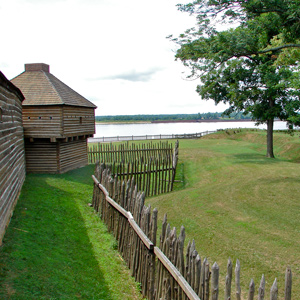
President Jefferson recommends that any unauthorized groups intent on opening the port of New Orleans by force be arrested. The peaceful solution would be the Louisiana Purchase.
February 7, 1803
Rodney recommended
by Kristopher K. Townsend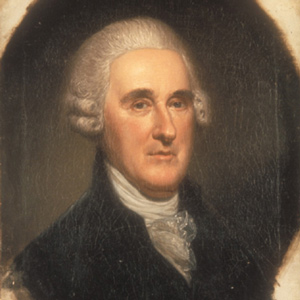
Pennsylvania Governor Thomas McKean asks President Thomas Jefferson to find a Federal appointment for Thomas Rodney, who would parallel and intersect with Lewis’s travel down the Ohio next fall.
February 5, 1803
Kentucky militants
by Kristopher K. Townsend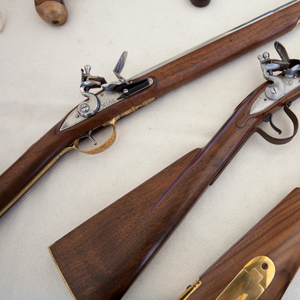
James Madison summarizes Spain’s request that he do something about the militants from Kentucky who are organizing to open the port of New Orleans by force. The Louisiana Purchase would ultimately result.
February 3, 1803
Livingston's update
by Kristopher K. Townsend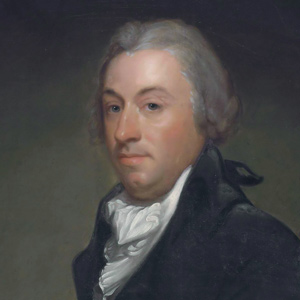
President Jefferson writes the U.S. envoy in Paris telling him that ministers will be sent to negotiate a peaceful solution to the New Orleans closure—an effort resulting in the Louisiana Purchase.
February 2, 1803
Harrison's nomination
by Kristopher K. Townsend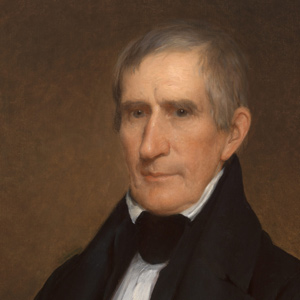
In Washington City, President Jefferson nominates William Henry Harrison to a second term as governor of the Illinois Territory. He would give the list to his secretary—Meriwether Lewis.
January 31, 1803
Spanish unease
by Kristopher K. Townsend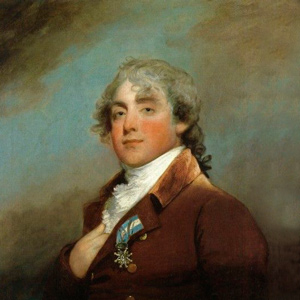
In Washington City, the Spanish minister to the United States, Carlos Martínez de Yrujo, writes a letter to the Chief Minister of Spain with an update on the progress of President Jefferson’s proposal to send an expedition to the Pacific ocean—an act Spain opposes. The Senator from New York, Samuel Mitchell, debates Jefferson’s need to keep the expedition a secret.
January 28, 1803
Polygraphs and physiognotraces
by Kristopher K. Townsend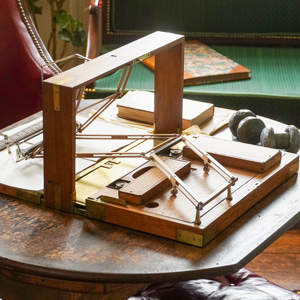
From his museum in Philadelphia, Charles Willson Peale writes to President Jefferson regarding the physiognotrace that can be used to draw portraits and the polygraph that can write a copy as an original is being written. He also announces his essay on preserving health.
January 27, 1803
Funding moves forward
by Kristopher K. Townsend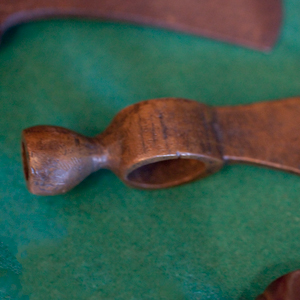
In response to President Jefferson’s confidential request of 18 January, a Congressional committee recommends a bill to appropriate $2500 to fund what would become known as the Lewis and Clark Expedition.
January 24, 1803
Gallatin's problem
by Kristopher K. Townsend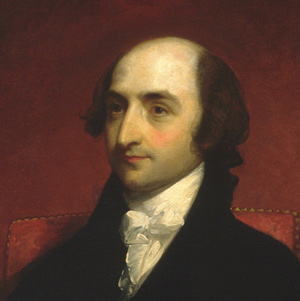
In Washington City, President Jefferson proposes that the United States moor a ship opposite New Orleans to act as a temporary customs house until a solution to the port’s closure can be arranged.
January 23, 1803
Jefferson's theories
by Kristopher K. Townsend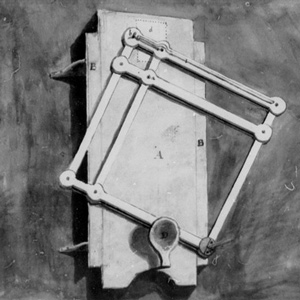
In Washington City, President Jefferson writes about mammoths, the physiognotrace, and Charles Willson Peale’s Museum collection—theories and technologies that influenced the Lewis and Clark Expedition.
January 20, 1803
George Logan's support
by Kristopher K. Townsend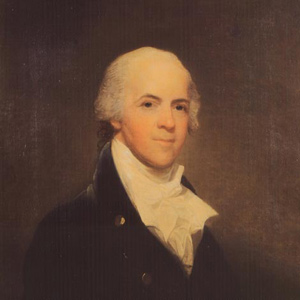
In Washington City, President Jefferson’s request to fund the expedition to the Western Ocean is referred to a three-member Senate committee that includes George Logan—an ardent supporter.
January 19, 1803
Laying the foundation
by Kristopher K. Townsend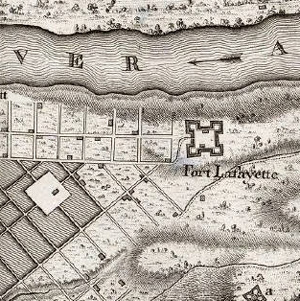
From Fort Fayette, Capt. Stoddard writes a letter to Col. Burbeck asking for further orders. Those orders would be to establish a fort on the Mississippi to support Jefferson’s western expeditions.
January 18, 1803
A Western expedition
by Kristopher K. Townsend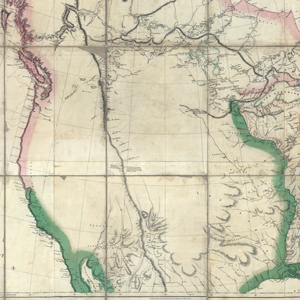
In Washington City, Meriwether Lewis delivers President Thomas Jefferson’s confidential message to the U.S. Congress proposing that they fund an expedition to the Western ocean.
January 12, 1803
Envoys to France
by Kristopher K. Townsend
In Washington City, President Jefferson writes the commission appointing Robert Livingston and James Monroe to negotiate a cession of land in the lower Mississippi and eastward toward Florida.
January 11, 1803
Negotiations proposed
by Kristopher K. Townsend 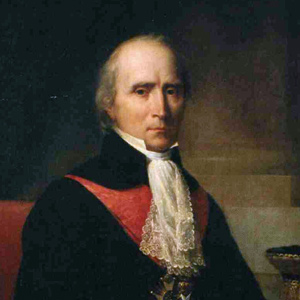
In response to the closure of New Orleans to American commercial traffic, President Jefferson’s plan to acquire the lower territory along the Mississippi River is read to the U.S. Senate—an act that would lead to the fruition of the Lewis and Clark Expedition. Jefferson also pays for 200 bottles of champaign from the private reserves of the Spanish envoy to the United States, Marqués de Casa Yrujo.
January 10, 1803
Jefferson's extraordinary plan
by Kristopher K. Townsend
From Washington City, President Thomas Jefferson writes a letter to James Monroe asking him to become Envoy Extraordinary and Minister Plenipotentiary with the authority to negotiate a solution to the Spanish closure of the port of New Orleans to American commercial traffic.
In a separate letter, Attorney General Levi Lincoln gives Jefferson advice on the legality of acquiring the Mississippi River channel from France.
In Philadelphia, Charles Willson Peale updates the president on his sons’ mammoth bone exhibit and sends silhouettes created with a physiognotrace.
Experience the Lewis and Clark Trail
The Lewis and Clark Trail Experience—our sister site at lewisandclark.travel—connects the world to people and places on the Lewis and Clark Trail.
Discover More
- The Lewis and Clark Expedition: Day by Day by Gary E. Moulton (University of Nebraska Press, 2018). The story in prose, 14 May 1804–23 September 1806.
- The Lewis and Clark Journals: An American Epic of Discovery (abridged) by Gary E. Moulton (University of Nebraska Press, 2003). Selected journal excerpts, 14 May 1804–23 September 1806.
- The Lewis and Clark Journals. by Gary E. Moulton (University of Nebraska Press, 1983–2001). The complete story in 13 volumes.
This site is provided as a public service by the
Lewis and Clark Trail Alliance
with additional funding from the following: