Kristopher Townsend
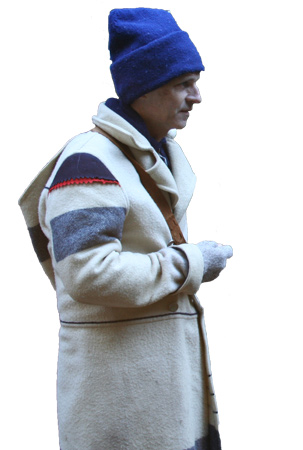
From the Pacific Northwest Living Historians at Lewis and Clark National Historic Park, Fort Clatsop.
Since 2016, Kristopher K. Townsend has been the webmaster and editor of this site, Discovering Lewis & Clark®. He has been actively photo-documenting the Lewis and Clark Trail since 1995. He attempts as closely as possible to re-create scenes as described in the journals including the same time of year, natural state, location, and weather. He has contributed numerous photos throughout the Discovering Lewis & Clark website.
Kris taught several years as a tenured instructor at Spokane Falls Community College. His courses included Internet programming and other information technology and computer science courses. During that time, he was also the series editor and an author of a popular college textbook series on Office Technology.
Shortly after the advent of the World Wide Web, he managed a web server featuring digital photos, digital video, and articles created by his Glenwood Heights Primary students. Topics included historical sites of Clark County (Washington State), wildflowers and birds of Clark County, and how-to videos for school’s physical education program.
Contributions to this Site
October 9, 1806
News of the return
by Kristopher K. Townsend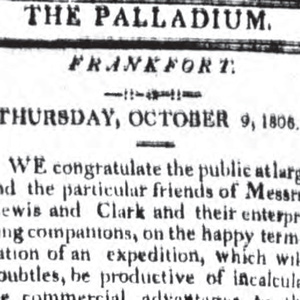
On this day, a Frankfort, Kentucky newspaper prints news of the expedition’s return to St. Louis. Included is William Clark’s letter—likely drafted by Meriwether Lewis—to his more famous brother, George Rogers Clark.
October 8, 1806
Promises of land
by Kristopher K. Townsend
In St. Louis, Meriwether Lewis and William Clark write bondswith promises of land to former expedition members Joseph Whitehouse and Robert Frazer land. Bonds such as these enabled the former members to sell their ownership prior to the land being granted by Congress.
October 7, 1806
Clark's sundry accounts
by Kristopher K. Townsend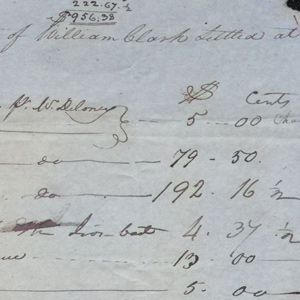
During October 1806, William Clark settles ‘sundry accounts’ in St. Louis. He purchases shirts, pants, a coat, and perhaps a gun and eight pairs of socks.
October 6, 1806
Pike's express
by Kristopher K. Townsend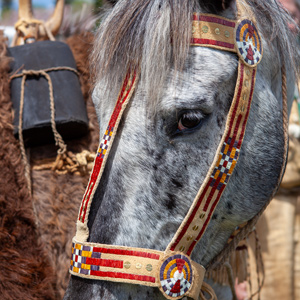
In St. Louis, the captains prepare to travel to Washington City along with Pierre Chouteau, an Osage delegation, and Mandan chief Sheheke and his family.
At Kitkahahki—a Pawnee village on the Republican River near present Guide Rock, Nebraska, the Pike Expedition prepares to leave. Lt. Pike dispatches an express with letters for United States Army Commander James Wilkinson and Secretary of War Henry Dearborn.
October 5, 1806
Sgt. Gass' express
by Kristopher K. Townsend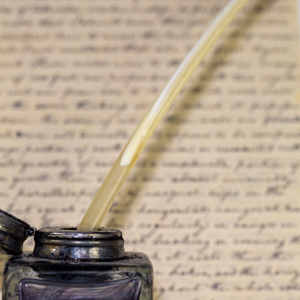
On or near this date Patrick Gass delivers a letter from William Clark addressed to his brother Jonathan in Louisville. The letter would be printed in the next edition of the Frankfort Palladium and later reprinted in newspapers throughout the country.
October 4, 1806
The Pawnees hear the news
by Kristopher K. Townsend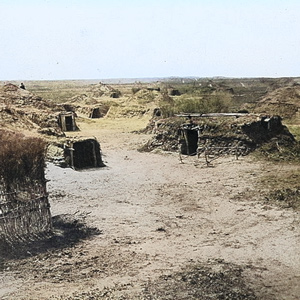
At a Kitkahahkia (Republican Pawnee) village 200 miles east of present Rulo, Nebraska—two French traders share news of Lewis and Clark’s return.
In St. Louis, the captains are busy disbanding the expedition and preparing to travel with several Indian delegates to Washington City.
October 3, 1806
Pawnee trade resumes
by Kristopher K. Townsend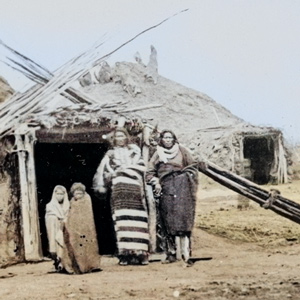
Tensions between Zebulon Pike and his hosts the Kitkahahki (Republican) Pawnees have been running high. Previously, the latter feigned an attack during the night and placed an embargo on trade. Today, as Pike prepares an express with letters for James Wilkinson and Henry Dearborn, tensions ease and trading resumes.
October 2, 1806
Stop the press!
by Kristopher K. Townsend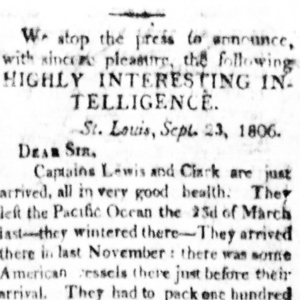
News of what would become known as the Lewis and Clark Expedition reaches the Frankfort, Kentucky “Palladium” via a letter from St. Louis merchant John Mullanphy. They stop the press to include the news.
October 1, 1806
A Pawnee threat
by Kristopher K. Townsend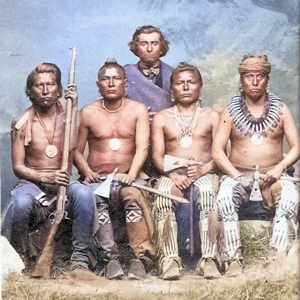
While the Lewis and Clark Expedition disbands in St. Louis, another expedition leader—Zebulon Pike—is told to by a Pawnee chief to return to the United States. Despite a threat of armed conflict, Pike is undeterred.
September 30, 1806
No more Spanish flags!
by Kristopher K. Townsend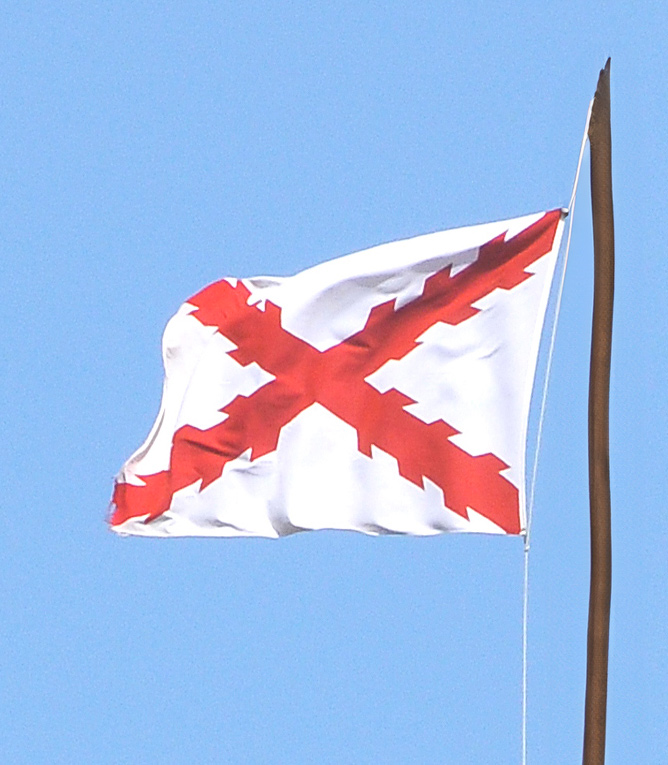
In St. Louis, the captains work to dismantle the Corps of Northwestern Discovery and preserve its legacy.
At a Kitkahahkia (Republican Pawnee) village 200 miles east of present Rulo, Nebraska, fellow expedition leader Zebulon Pike demands that a Spanish flag flying there be replaced with an American flag.
September 29, 1806
The most practicable route
by Kristopher K. Townsend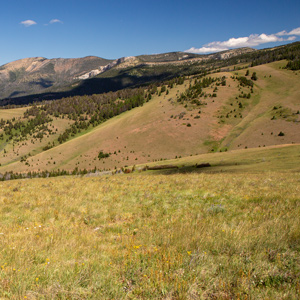
Meriwether Lewis writes a sketch of the Lewis and Clark Expedition and years later, fur trader and explorer David Thompson makes a copy—the only copy to have survived. In it, he describes the ‘most practicable route’ across North America.
In a St. Louis Court, Pvts. Whitehouse and Collins sign bonds promising to sell the land grants that they will receive for serving in the expedition.
At a Pawnee village on the Republican River, expedition leader Zebulon M. Pike gives a speech like those given by Lewis and Clark.
September 28, 1806
Corrupt land grants
by Kristopher K. Townsend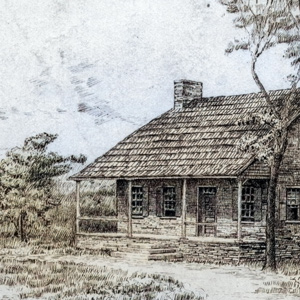
After the transfer of Louisiana to the United States, Antoine Soulard was retained as its Surveyor General. By 1806, Secretary of State Albert Gallatin wanted possession of his Archive of Surveys. To get them, he replaced Soulard with Silas Bent who shortly after his arrival in St. Louis penned a letter claiming systematic corruption.
September 27, 1806
Lost specimens
by Kristopher K. Townsend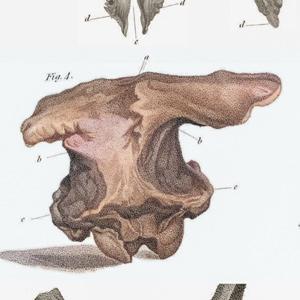
In Washington City, Isaac Briggs tells Thomas Jefferson that the fossils collected in 1803 by Meriwether Lewis at Big Bone Lick have been lost. In St. Louis, Lewis fills out two ‘bill of exchange’ forms for area merchants.
September 26, 1806
Writing commences
by Kristopher K. Townsend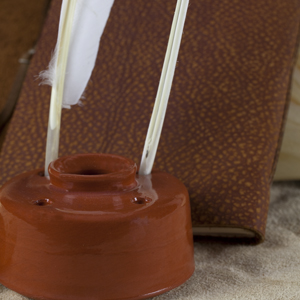
In St. Louis, the expedition has ended, and in his concluding journal entry, Clark says “we commenced wrighting &c”. President Jefferson will give the story to The National Intelligencer.
September 25, 1806
Eighteen toasts
by Kristopher K. Townsend
After storing botanical and zoological specimens in Pierre Chouteau’s St. Louis warehouse, the captains attend a ball. At Christy’s Tavern, eighteen toasts are given in honor of the “Missouri expedition”.
September 24, 1806
News of the Expedition
by Kristopher K. Townsend
In St. Louis, the captains dine with Auguste or Pierre Chouteau and then go shopping. They also write letters to President Jefferson and Clark’s brother, Jonathan with news of the expedition’s return.
September 23, 1806
St. Louis homecoming
by Kristopher K. Townsend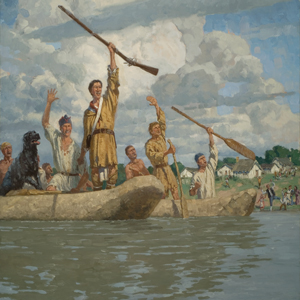
Around noon, the expedition celebrates its St. Louis homecoming. The captains work on letters to President Jefferson and Clark’s brother Jonathan telling of their findings.
September 22, 1806
Fort Belle Fontaine salute
by Kristopher K. Townsend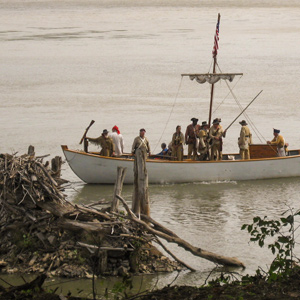
The expedition waits for the rain to stop before leaving St. Charles. They arrive at Fort Belle Fontaine, a military cantonment and Indian trade factory built after the expedition left St. Louis in 1804.
September 21, 1806
St. Charles hospitality
by Kristopher K. Townsend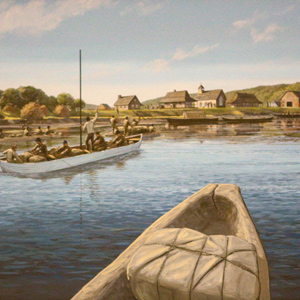
The boatmen paddle and row the 48 miles from La Charrette to St. Charles. They are greeted by the latter’s citizens with great cheer and hospitality. Lewis starts a letter to President Jefferson.
September 20, 1806
La Charrette welcome
by Kristopher K. Townsend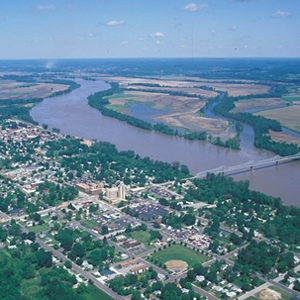
After 68 miles of hard paddling, the expedition arrives at the French settlement of La Charrette. They fire three rounds, and the villagers return the welcome. They enjoy their first beef since leaving.
September 19, 1806
Anxious paddlers
by Kristopher K. Townsend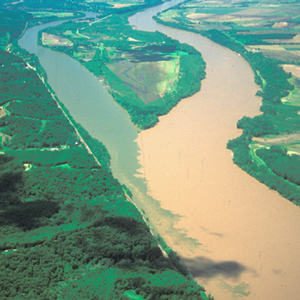
Determined to make it to La Charrette by tomorrow, the men paddle hard stopping only once. After 72 miles, they reach the Osage River and encamp. Many of the men have sore eyes and lips.
September 18, 1806
Living on pawpaws
by Kristopher K. Townsend
Finding that the hunters have killed nothing, the men declare they can live on pawpaw fruit until they reach the first white settlement—150 miles down the Missouri. Camp is near the Lamine River.
September 17, 1806
News from James McClallen
by Kristopher K. Townsend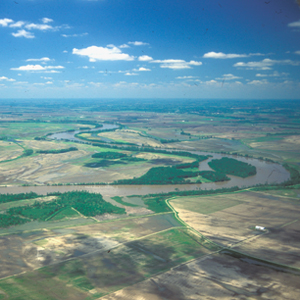
After passing through the perilous Malta Bend, the captains meet an old military acquaintance of Lewis’s, James McClallen. He reports that most people have given up on Lewis and Clark.
September 16, 1806
A young trader
by Kristopher K. Townsend
Moving down the Missouri, they question a young trader—likely Joseph Robidoux Jr.—who lacks a properly signed license. They end the day near present Waverly, Missouri 52 miles closer to home.
September 15, 1806
Lewis and Clark Point
by Kristopher K. Townsend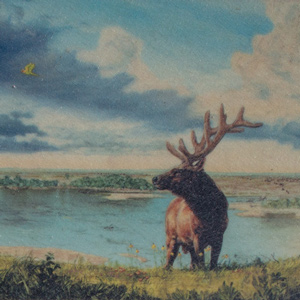
On this “disagreeably worm” day, Clark and Lewis climb a hill in present Kansas City, Missouri and think it a good location for a fort. At the Little Blue River, pawpaw fruits are gathered.
September 14, 1806
In "greatest harmoney"
by Kristopher K. Townsend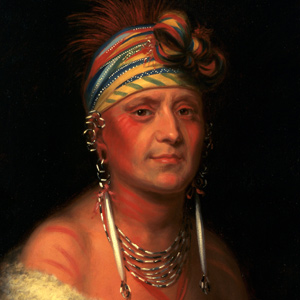
Moving down the Missouri, the expedition enters the lands of the Kansa. They meet three boats with news and provisions, and at camp near present Leavenworth, Kansas, they sing in ‘greatest harmony’.
September 13, 1806
Whiskey, wine, and cocoa
by Kristopher K. Townsend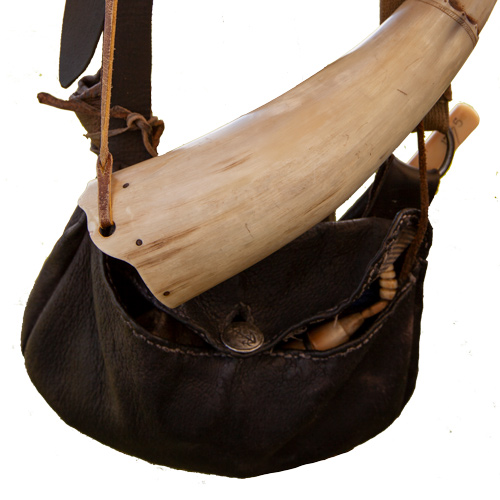
Before heading down the Missouri, a trader restocks their larder with whiskey, wine, and cocoa. At camp near present Doniphan, Missouri, Shannon discovers that he forgot his powder horn and pouch.
September 12, 1806
Given up for dead
by Kristopher K. Townsend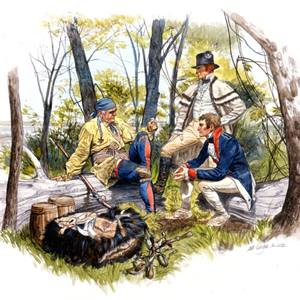
At present St. Joseph, Missouri, the captains modify orders given to Pierre Dorion and Joseph Gravelines. An old military companion, Robert McClellan, says that they have all been given up for dead.
September 11, 1806
Hunting on the Nodaway
by Kristopher K. Townsend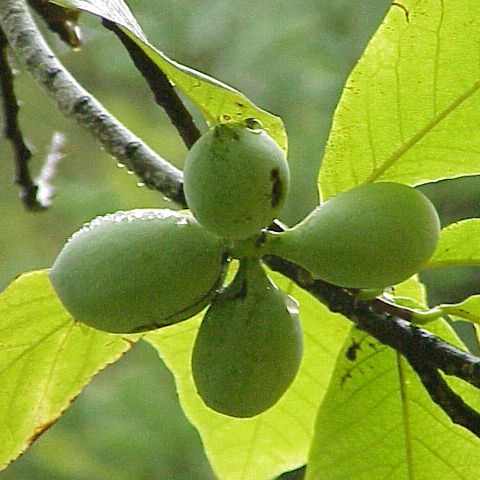
With their supply of meat spoiled, the expedition must stop above the Nodaway River to hunt. They get two deer only, but they find out that the pawpaw fruits are nearly ripe.
September 10, 1806
News of Zebulon Pike
by Kristopher K. Townsend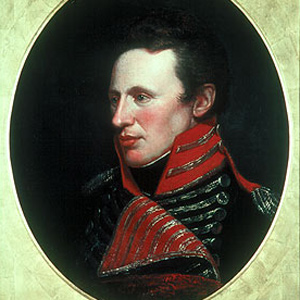
Fur traders heading up the river tell the captains that Zebulon Pike is leading an expedition to the source of the Arkansas River. They end the day near present Bean Lake, Missouri.
September 9, 1806
Return to "bald pated" prairie
by Kristopher K. Townsend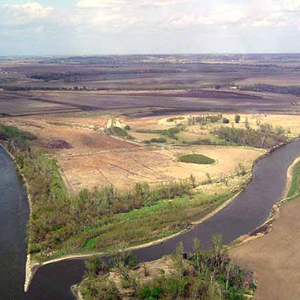
The men appear anxious to get home as they engage their paddles down a swift Missouri River crowded with snags. After 73 miles, they reach the “bald pated” prairie encampment of 16 July 1804.
September 8, 1806
Return to White Catfish Camp
by Kristopher K. Townsend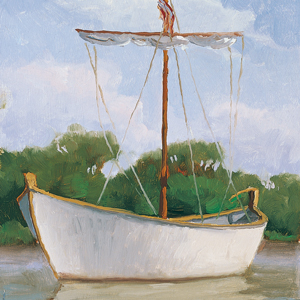
The captains stop to look at the bluff where they met with the Otoes in 1804. They recommend it for a fort or trading post. The men paddle hard to reach their old White Catfish Camp below present Omaha.
September 7, 1806
Evaporating ink
by Kristopher K. Townsend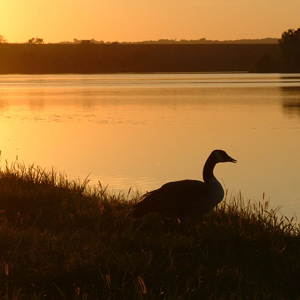
Much of the day is used to hunt, find hunters, and harvest three elk. Clark notes the rate at which his ink dries out. They paddle 44 miles down the Missouri and camp at dusk near present Blair, Nebraska.
September 6, 1806
A taste of whiskey
by Kristopher K. Townsend
Moving down the Missouri along the present Nebraska-Iowa border, the expedition meets a large boat owned by Auguste Chouteau of St. Louis. Some men trade beaver skins for linen shirts and woven hats.
September 5, 1806
Challenging river
by Kristopher K. Townsend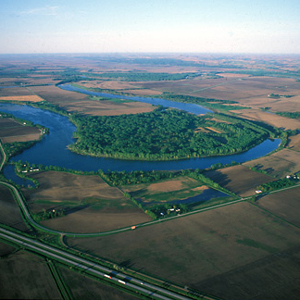
The narrowing Missouri river challenges the paddlers and rowers who must navigate its many bends and hazards. By the end of the day, they camp near present Onawa, Iowa, 75 miles closer to home.
September 4, 1806
Floyd's grave
by Kristopher K. Townsend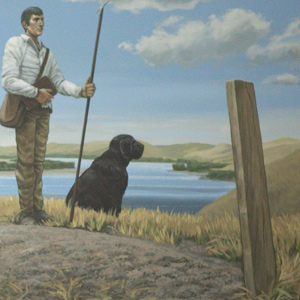
On a wet morning, the expedition sets out with ample tobacco and flour obtained from trader James Aird. They stop to visit Sgt. Floyd’s grave and camp early to dry out near present Dakota City, Nebraska.
September 3, 1806
News from home
by Kristopher K. Townsend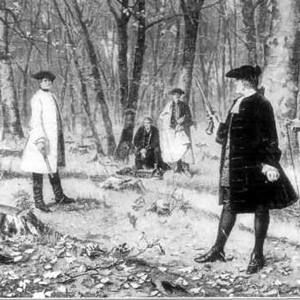
Moving down the Missouri, they meet a group of traders who tell them that Jefferson is again president and that Alexander Hamilton died in a duel with Aaron Burr. They camp above present Sioux City, Iowa.
September 2, 1806
Stopping to hunt
by Kristopher K. Townsend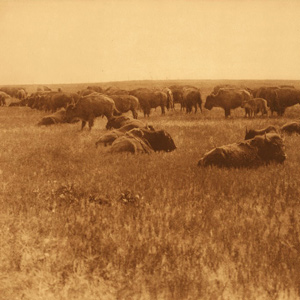
Delayed by wind, Clark pulls in below the James River in present South Dakota, and bison hunting consumes most of the day. Their Indian delegates see their first turkeys and find them impressive.
September 1, 1806
Calumet Bluff anniversary
by Kristopher K. Townsend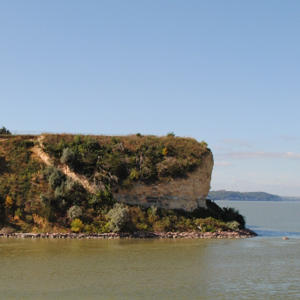
Clark expresses relief when some Indians turn out to be Yankton Sioux who give news of the fur trade. In the evening, they camp opposite their Calumet Bluff council site of 1 September 1804.
August 31, 1806
A perilous storm
by Kristopher K. Townsend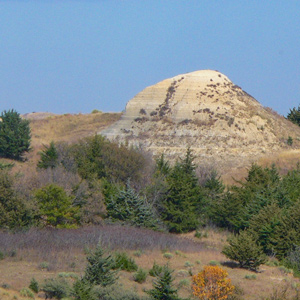
Around midnight, a bad storm threatens camp. The wind blows the double canoe across the river, and it must be rescued. During the day, they paddle hard making seventy miles, passing Old Baldy, and encamping below their “No Preserve Island” camp of 5 September 1804.
August 30, 1806
Armed Lakotas appear
by Kristopher K. Townsend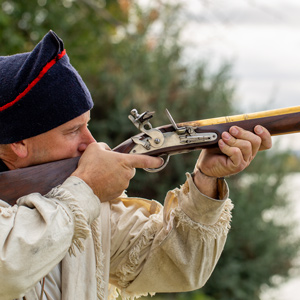
While moving down the Missouri, several armed Lakotas appear on the opposite shore. Clark recognizes them from their 1804 encounter and tells them to stay away or be killed. They move on and camp in a defensive position on a large sandbar near present Academy, South Dakota.
August 29, 1806
20,000 Buffalo
by Kristopher K. Townsend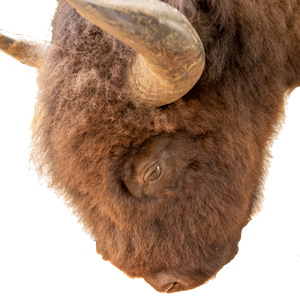
After dressing their new leather, the expedition leaves Pleasant Camp. They stop to hunt among 20,000 bison and collect their horns to sell for knife and fork handles. After paddling twenty miles down the Missouri, they camp near present Chamberlain, South Dakota.
August 28, 1806
A day at Pleasant Camp
by Kristopher K. Townsend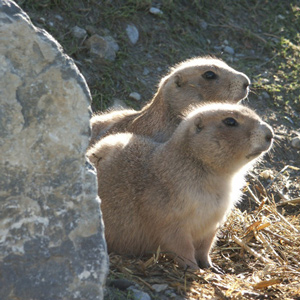
On their way home, the expedition arrives at Pleasant Camp—also known as Plum Camp—below present Oacoma, South Dakota. The captains decide to stop to collect mule deer, pronghorn, and prairie dog specimens. Some of the enlisted men make leather for new clothes, and others pick plums.
August 27, 1806
Hunting on the Big Bend
by Kristopher K. Townsend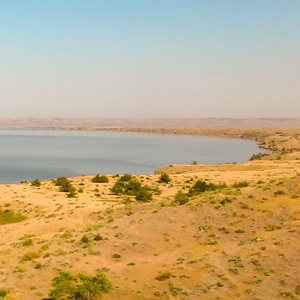
While passing around the Big Bend of the Missouri—also known as the Grand Detour—the expedition nearly runs out of meat. They hear bison bellowing and stop to hunt. Lewis collects a plant specimen, but he also aggravates his gunshot wound.
August 26, 1806
Passing the Bad River
by Kristopher K. Townsend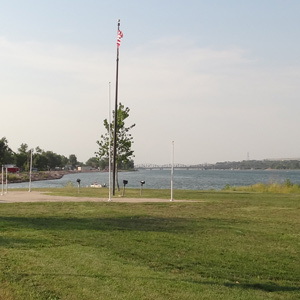
At the Bad River in present Pierre, South Dakota, Clark recalls how the Lakota Sioux attempted to stop them in 1804. They also stop to repair a leak in the white pirogue and inspect Régis Loisel’s old trading fort. They make about sixty miles for the day.
August 25, 1806
Empty Lakota encampment
by Kristopher K. Townsend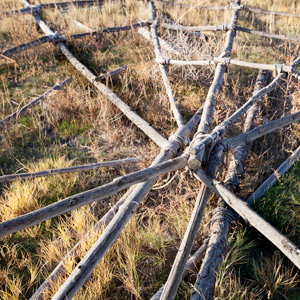
Heading home on the Missouri River, they expedition stops at the Cheyenne River so that the captains can take celestial observations, and the men can hunt. Later in the day, they pass an empty Lakota encampment and recall the ‘Troublesome Tetons’ experienced on their way up the river in 1804.
August 24, 1806
Lookout Bend
by Kristopher K. Townsend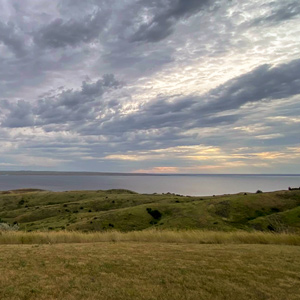
Despite high waves, the enlisted men paddle about 43 miles reaching Jean Vallé’s old trading post on Lookout Bend in present South Dakota. Clark explores a bluff containing bentonite clay and blames the area’s lack of game on the Sioux.
August 23, 1806
Lewis recovers
by Kristopher K. Townsend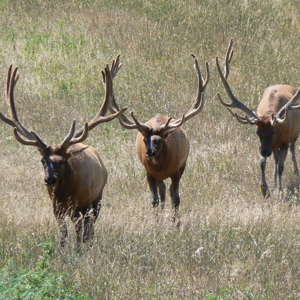
The enlisted men paddle about forty miles down the Missouri despite having to wait multiple times for winds to abate or storms to pass. The hunters use the time to kill three elk and three deer. Lewis recovers from his gunshot wound, and at their camp near present Forest City, South Dakota, the mosquitoes prove troublesome.
August 22, 1806
An engagé re-joins
by Kristopher K. Townsend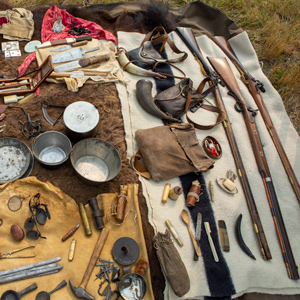
Above present Mobridge, South Dakota, the Arikara and Cheyenne chiefs decline the captains’ invitations to travel with them to Washington City. A Cheyenne chief asks that fur traders come to his nation, and a down-on-his-luck engagé from last year’s journey up the Missouri re-joins. They move a few miles down the river and encamp.
August 21, 1806
Arikara councils
by Kristopher K. Townsend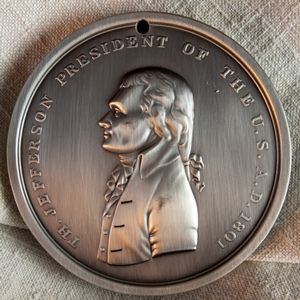
At the upper and lower Arikara villages above present Mobridge, South Dakota, several councils are conducted. After a visiting Cheyenne chief is gifted a small peace medal, he becomes alarmed and gives it back. The captains also see two engagés who wintered with them at Fort Mandan, and the two share ominous news.
Experience the Lewis and Clark Trail
The Lewis and Clark Trail Experience—our sister site at lewisandclark.travel—connects the world to people and places on the Lewis and Clark Trail.
Discover More
- The Lewis and Clark Expedition: Day by Day by Gary E. Moulton (University of Nebraska Press, 2018). The story in prose, 14 May 1804–23 September 1806.
- The Lewis and Clark Journals: An American Epic of Discovery (abridged) by Gary E. Moulton (University of Nebraska Press, 2003). Selected journal excerpts, 14 May 1804–23 September 1806.
- The Lewis and Clark Journals. by Gary E. Moulton (University of Nebraska Press, 1983–2001). The complete story in 13 volumes.
This site is provided as a public service by the

Lewis and Clark Trail Alliance
with additional funding from the following: