Kristopher Townsend
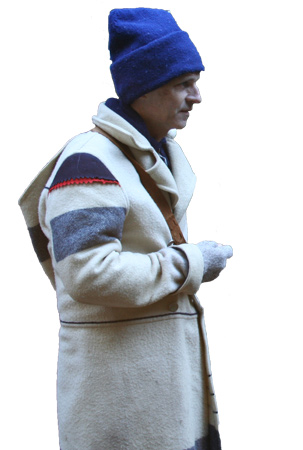
From the Pacific Northwest Living Historians at Lewis and Clark National Historic Park, Fort Clatsop.
Since 2016, Kristopher K. Townsend has been the webmaster and editor of this site, Discovering Lewis & Clark®. He has been actively photo-documenting the Lewis and Clark Trail since 1995. He attempts as closely as possible to re-create scenes as described in the journals including the same time of year, natural state, location, and weather. He has contributed numerous photos throughout the Discovering Lewis & Clark website.
Kris taught several years as a tenured instructor at Spokane Falls Community College. His courses included Internet programming and other information technology and computer science courses. During that time, he was also the series editor and an author of a popular college textbook series on Office Technology.
Shortly after the advent of the World Wide Web, he managed a web server featuring digital photos, digital video, and articles created by his Glenwood Heights Primary students. Topics included historical sites of Clark County (Washington State), wildflowers and birds of Clark County, and how-to videos for school’s physical education program.
Contributions to this Site
July 1, 1806
A plan to divide forces
by Kristopher K. Townsend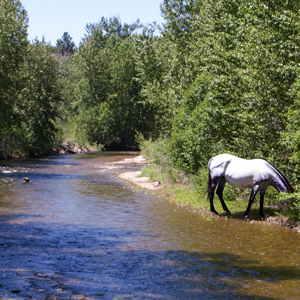
At Travelers’ Rest near present Lolo, Montana, the captains describe their plan to divide forces—each taking a different route back to the Knife River villages. Their Nez Perce guides agree to show Lewis a shortcut leading to the Falls of the Missouri, and Lewis prepares several plant specimens—all new to science.
June 30, 1806
Arriving at Travelers' Rest
by Kristopher K. Townsend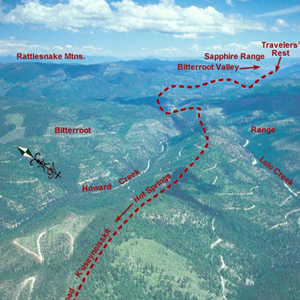
The expedition travels 31 miles to return to their old camp, Travelers’ Rest. Along the way, Lewis’s horse falls, and the hunters bag six deer. Lewis describes mountain lady’s slipper, and Clark is relieved to have “those tremendious” Bitterroot Mountains behind them.
June 29, 1806
Leaving the Bitterroots
by Kristopher K. Townsend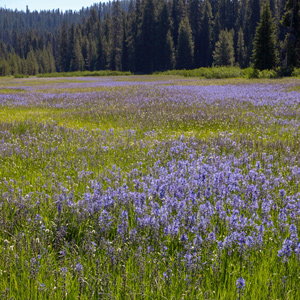
At Packer Meadows on the Northern Nez Perce Trail, the expedition has a pleasant midday break surrounded by camas blossoms and grass for their horses. They then leave the Bitterroot Mountains behind and enjoy a hot bath at present Lolo Hot Springs.
June 28, 1806
A better way
by Kristopher K. Townsend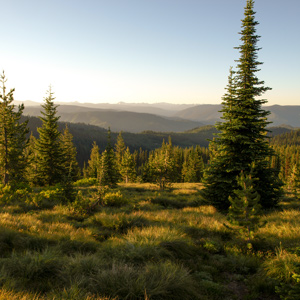
Leaving Spring Mountain on the Lolo Trail, the corps soon reaches the trail they had used last fall to climb up from the Lochsa River fishery—along present Wendover Ridge. Instead, their Nez Perce guides have them continue on the main trail. After thirteen miles, they encamp where there is good grass for the horses. Lewis describes the whortleberry.
June 27, 1806
The Smoking Place
by Kristopher K. Townsend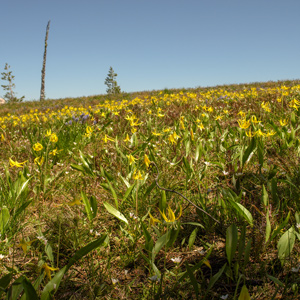
At the request of their Nez Perce guides, the expedition pauses at the Smoking Place. There, they see yellow glacier lilies and “Stupendeous Mountains” covered with snow. They push hard along the Northern Nez Perce Trail and encamp at present Spring Mountain—sometimes called Bears Oil and Roots Camp. The captains apply a poultice made from wild ginger to Pvt. Potts’ badly swollen leg.
June 26, 1806
Cache Mountain recovery
by Kristopher K. Townsend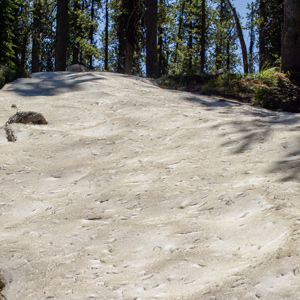
On the Northern Nez Perce Trail, the travelers once again climb ‘Cache Mountain’ where they recover the cargo left there over a week ago. They notice the snows have melted nearly four feet since then. Their Nez Perce guides take them to Greensward Camp—present Bald Mountain—where there is grass for their horses. Soon after, another Nez Perce man arrives.
June 25, 1806
Jerusalem Artichoke Camp
by Kristopher K. Townsend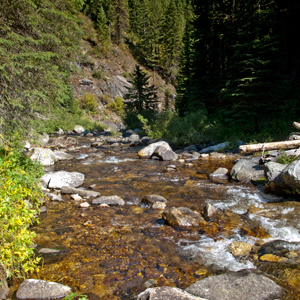
The expedition leaves Eldorado Creek and follows the Northern Nez Perce Trail over a small divide to Hungery Creek. The captains fear their Nez Perce guides have left them, so are relieved when they finally catch up. Sacagawea gathers roots resembling the Jerusalem artichoke, and Lewis prepares specimens of angelica and California false hellebore.
June 24, 1806
Burning trees
by Kristopher K. Townsend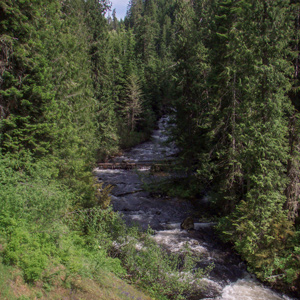
The expedition leaves Weippe Prairie with three Nez Perce guides who intone fair weather by burning some trees. Sgt. Gass is already at the evening’s camp on Eldorado Creek where he hopes to find the two Nez Perce men they met three days ago.
In St. Louis, General James Wilkinson writes his instructions for Zebulon Pike’s Southwest exploration.
June 23, 1806
Three Nez Perce guides
by Kristopher K. Townsend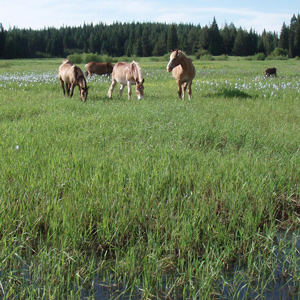
While waiting at Weippe Prairie for the mountain snow to melt, the hunters imitate bleating fawns to call in the does. Three Nez Perce guides arrive, and everything is made ready to cross the Bitterroot Mountains. Clark hears news of peace between the Walla Wallas and Shoshones and of war between the Atsinas and the Shoshones and Interior Salish.
June 22, 1806
Trade beads discovered
by Kristopher K. Townsend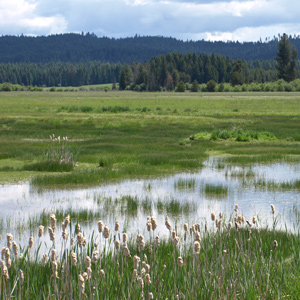
While waiting at Weippe Prairie for the Bitterroot Mountain snows to melt, Clark discovers some trade beads in one of his pockets, and Pvt. Whitehouse is sent to the Nez Perce villages to trade them for salmon. The hunters have a good day, and the cut on Pvt. Potts’ leg becomes inflamed and painful.
June 21, 1806
Retracing their steps
by Kristopher K. Townsend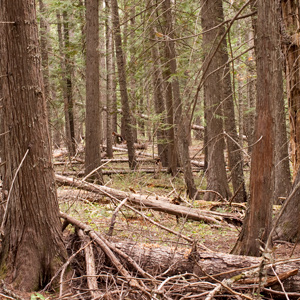
While retracing their steps to Weippe Prairie, Lewis expresses “mortification in being thus compelled.” On the way, they meet two Nez Perce men who bring with them three stray horses and a mule. Pvt. Shannon and George Drouillard are at the Nez Perce villages (present Kamiah, Idaho) seeking guides.
June 20, 1806
Alternate plans
by Kristopher K. Townsend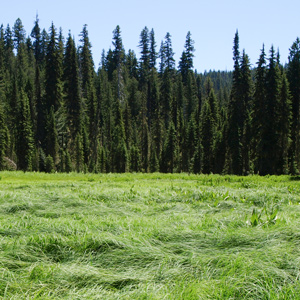
At Salmon Trout Camp on the western end of the Northern Nez Perce trail, the captains consider alternate plans to cross the Rocky Mountains. Because Bitterroot Mountain snows are so deep, they decide to return to Weippe Prairie and wait for more melting.
June 19, 1806
Fishing for "salmon trout"
by Kristopher K. Townsend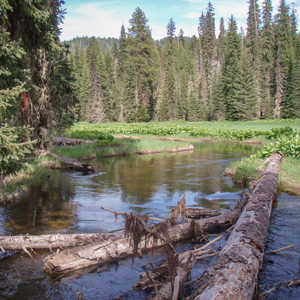
In the Lolo Trail Corridor in present Idaho, most of the expedition members spend the day hunting, fishing for “Salmon Trout”, and searching for stray horses. Only one trout is caught, and Lewis finds the local mushrooms taste insipid. Clark comments on the abundant grass and camas and hopes they can stay here longer.
June 18, 1806
Return to Eldorado Creek
by Kristopher K. Townsend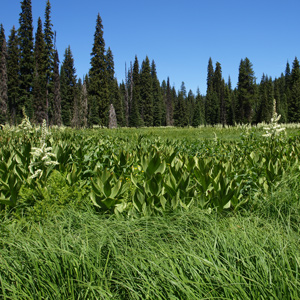
In the Lolo Travel Corridor in present Idaho, the expedition wakes to find that their horses have scattered in search of food. Eventually, they continue their retreat from the Bitterroot Mountains and return to Eldorado Creek. On the way, Pvt. Potts severely cuts his leg, and Pvt. Colter and his horse take a bad fall. At camp, they attempt to shoot ‘salmon trout’ swimming in the creek.
June 17, 1806
Retreat from Cache Mountain
by Kristopher K. Townsend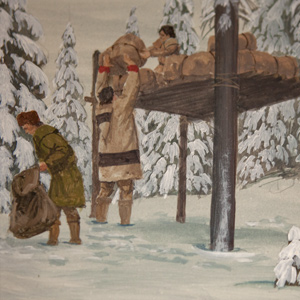
In the Lolo Trail Travel Corridor in present Idaho, the expedition follows Hungery Creek for several miles and then starts climbing up to the Northern Nez Perce Trail. They encounter deep snows and must stop on “Cache Mountain” and go back down to the creek.
June 16, 1806
Snowbanks deepen
by Kristopher K. Townsend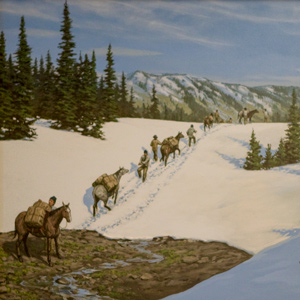
In the Lolo Travel Corridor in present Idaho, fallen trees slow progress, and deepening snowbanks appear. They encamp at Horsesteak Meadow on Hungery Creek where Clark had shot a stray horse last fall. Lewis prepares two plant specimens: Oregon boxleaf and sticky currant.
June 15, 1806
The Small Prairie
by Kristopher K. Townsend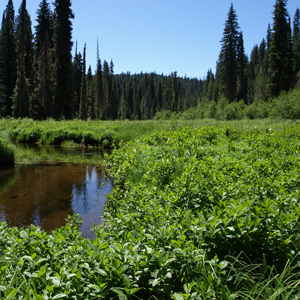
After a few hours gathering horses, the expedition finally leaves Weippe Prairie at. During lunch at last year’s Pheasant Camp, they meet their two advanced hunters. The whole group then continues to the Small Prairie on a slippery trail cluttered with fallen trees. Lewis prepares a specimen of beargrass.
June 14, 1806
Clark shudders
by Kristopher K. Townsend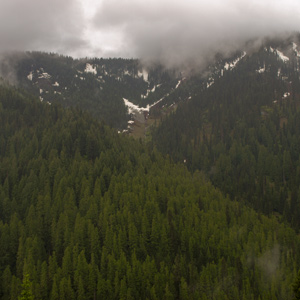
At Weippe Prairie in present Idaho, the captains decide to risk the Bitterroot Mountain snows. Clark shudders with the expectation of great difficulties ahead, but packing and gathering horses commences.
June 13, 1806
The hunters advance
by Kristopher K. Townsend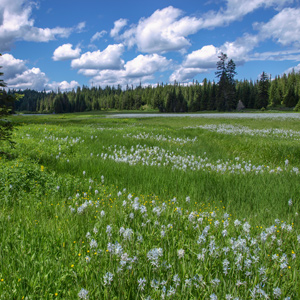
Pvts. Reubin Field and Willard leave Weippe Prairie for present Crane Meadow to hunt ahead of the main group. At the primary camp, the enlisted men—and likely Sacagawea—dry meat. The captains trade horses and work on their “Estimate of Western Indians”.
June 12, 1806
The beautiful Weippe Prairie
by Kristopher K. Townsend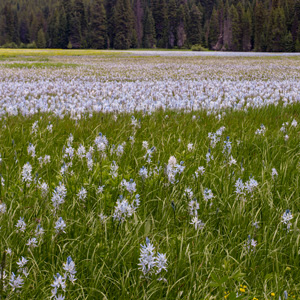
At Weippe Prairie in present Idaho, the expedition members wait for the Bitterroot Mountain snow to melt, while the warmer weather brings camas blooms and their “old companions”—mosquitoes. Lewis collects two more plant specimens: prairie smoke and American bistort.
June 11, 1806
The camas plant
by Kristopher K. Townsend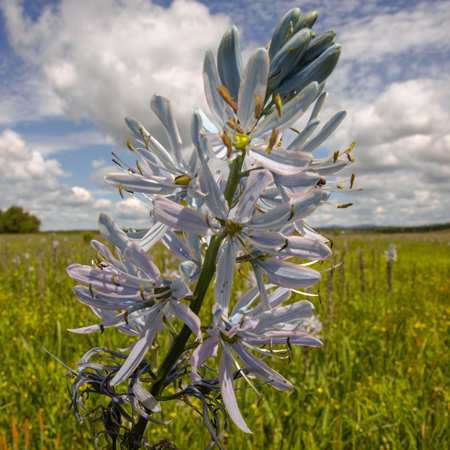
At Weippe Prairie in present Idaho, Lewis describes the camas plant including how the Nez Perce People harvest and cook its bulbs. Game is scarce, and the hunters are directed to take longer, overnight excursions.
June 10, 1806
Leaving Long Camp
by Kristopher K. Townsend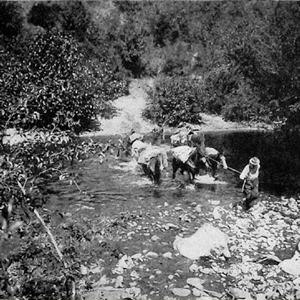
After waiting nearly six weeks at Long Camp for mountain snows to melt, the horses are loaded, and the expedition climbs the Kamiah valley hills, fords Lolo Creek, and then climbs up to the “quawmash flatts”—the Weippe prairie in Idaho. Lewis notices the fertile country, two species of wild roses, and collects specimens of buckbrush ceanothus and bluebunch wheatgrass. At camp, he taste-tests Columbian ground squirrel.
June 9, 1806
Falling river, rising hopes
by Kristopher K. Townsend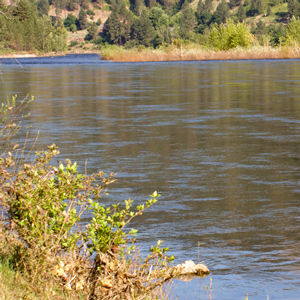
At Long Camp, everything is ready for tomorrow’s move to Weippe Prairie. Neesh-ne-park-ke-ook (Cut Nose) harvests eagle feathers by capturing live birds from their nests, and the falling river gives hope that the mountain snows have melted. Lewis takes celestial observations and collects a specimen of varileaf phacelia—new to science.
June 8, 1806
Prisoner's base
by Kristopher K. Townsend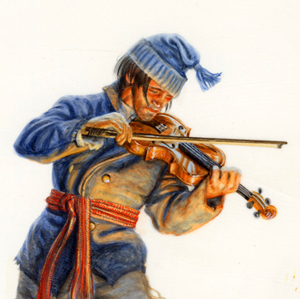
Several Nez Perce people visit Long Camp, and to get the men in shape for their imminent return home, foot races are run, and prisoner’s base is played with their guests. The sunken dugout canoe is raised and three horses traded. The day ends with dancing.
June 7, 1806
New ropes and bags
by Kristopher K. Townsend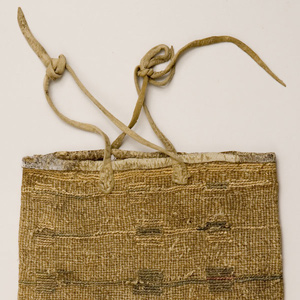
In anticipation of moving from Long Camp to the Weippe Prairie, five men cross the Clearwater River to buy ropes and bags. Nez Perce chief Xàxaac `ilpilp (Red Grizzly Bear) gives Pvt. Frazer—who has learned their language—a horse, and Lewis describes the bitter cherry.
June 6, 1806
Still no guides
by Kristopher K. Townsend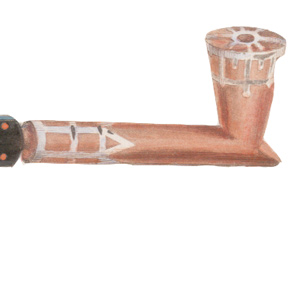
Clark leaves Long Camp to visit Tunnachemootoolt’s (Broken Arm’s) village where he repeats a diplomatic speech and asks for guides. He is given two peace pipes—one for him and the other for the Shoshones. On the way back, he meets Walammottinin (Twisted Hair) who relays more discouraging news. Lewis describes the western tanager and makes celestial observations.
June 5, 1806
Long Camp grasses
by Kristopher K. Townsend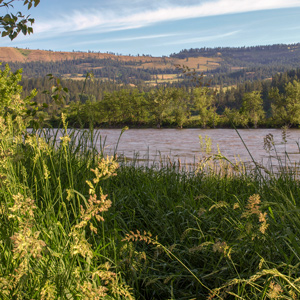
At Long Camp near present Kamiah, Idaho, a Nez Perce man reports that he was unable to cross the Bitterroot Mountains due to snow, and toddler Jean Baptiste is given a new medical treatment. Lewis describes area grasses and collects two plants: the trumpet honeysuckle and silky lupine.
June 4, 1806
Seeking guides and diplomats
by Kristopher K. Townsend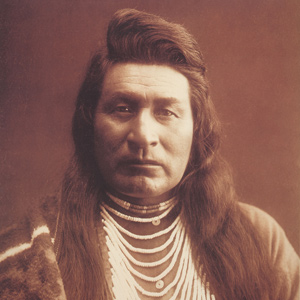
At Long Camp near Kamiah, Idaho, Lewis fails to secure Nez Perce guides to take him to the Falls of the Missouri. Clark seeks guides to take him to the Yellowstone River. Along the way, he hopes the Nez Perce can make a peace treaty with the Shoshones.
June 3, 1806
Early Bitterroot crossing
by Kristopher K. Townsend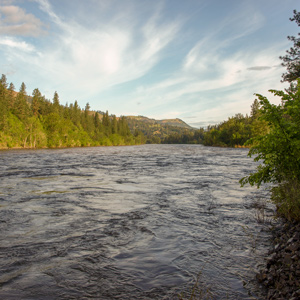
When the Nez Perce send an “express” to try an early Bitterroot Mountain crossing, the captains hope they too can now leave. They are informed otherwise. With little hope of salmon arriving at Long Camp, they make plans to move to the Weippe Prairie in one week. The sick people continue to recover.
June 2, 1806
Managing horses
by Kristopher K. Townsend
At Long Camp in present Kamiah, Idaho, a horse corral is made, and Lewis’s suffering horse must be shot. Sgt. Ordway brings 17 tainted salmon from the Snake River, Pvt. McNeal and York return from trading with the Nez Perce, and George Drouillard returns with Sgt. Floyd’s old tomahawk.
June 1, 1806
Clarkia and rough wallflower
by Kristopher K. Townsend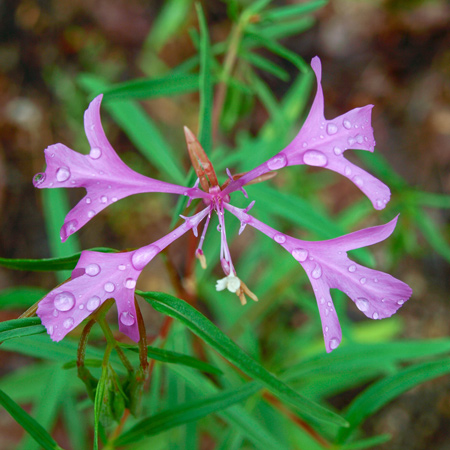
Sgt. Ordway and two privates near Long Camp with their cache of salmon while Charbonneau and Pvt. Lepage return from a “broken voyage”. Clark mentions a plan to divide forces after reaching Travelers’ Rest, and Drouillard is sent to find Nez Perce men to guide them over the mountains. Lewis discusses the Clarkia flower and prepares two more plant specimens.
May 31, 1806
Classifying grizzlies
by Kristopher K. Townsend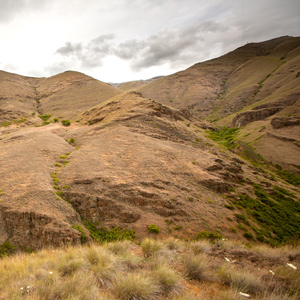
At the Nez Perce fishing camp on the Snake River, Sgt. Ordway wakes to find some of his salmon missing. He then begins the arduous journey back to Long Camp at present Kamiah, Idaho.
At Long Camp, Pvt. Willard brings in the skin of a cinnamon-colored grizzly bear. Confused, Lewis decides to follow the Nez Perce system that classifies all their colors as a single species. Attempts to cross the flooding Clearwater fail, and another of last year’s horses is found.
May 30, 1806
Two river disasters
by Kristopher K. Townsend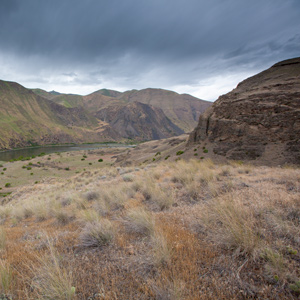
On the flooding Clearwater River near Long Camp, Pvts. Shannon and Collins lose the new canoe along with three blankets. Charbonneau and Pvt. LePage try swimming their horses across the swollen river with similar losses. The captains attend to an ailing Nez Perce chief.
On the Snake River, Sgt. Ordway buys salmon at a Nez Perce fishing village.
May 29, 1806
Frazer's razor
by Kristopher K. Townsend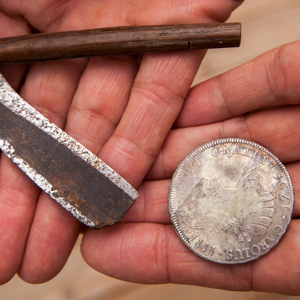
Sgt. Ordway’s group climbs up from the Salmon River and then descends to the Snake River where there is a village of Nez Perce salmon fishers. There, Pvt. Frazer trades his old razor for two Spanish dollars.
At Long Camp, Lewis describes the short-horned lizard and prepares four plant specimens—all new to science.
May 28, 1806
Clark's nutcracker
by Kristopher K. Townsend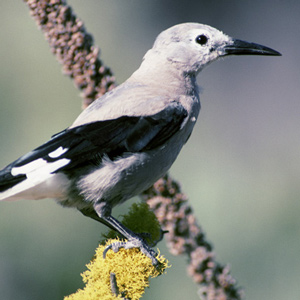
Far away from Long Camp, the hunters can finally cross Lolo Creek and hunt the hills and plains on its opposite side. Today, they bring in several deer. In pursuit of salmon, Sgt. Ordway and two others travel across the Camas Prairie and descend to the Salmon River. In day 2 of his 12-part natural history treatise, Lewis describes Clark’s nutcracker—new to science—and the great gray owl.
May 27, 1806
Lewis's woodpecker
by Kristopher K. Townsend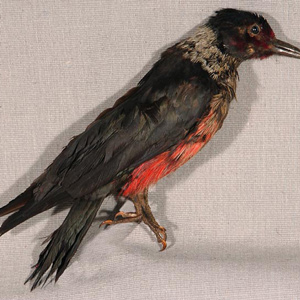
At Long Camp, Lewis begins his twelve-day treatise on natural history. Today, he describes the Columbian ground squirrel and Lewis’s woodpecker, both new to science. Sgt. Ordway and two others leave for the Snake River to buy salmon, and a Nez Perce chief says the expedition can use any of his horses for food. Young Jean Baptiste continues to improve.
May 26, 1806
A South Fork village
by Kristopher K. Townsend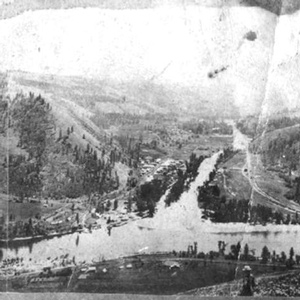
At Long Camp, Jean Baptiste’s abscess improves, and the canoe-builders finish their dugout. Brothers Joseph and Reubin Field return from a village on the South Fork Clearwater River with a large quantity of cous bread and root, and plans are made to trade for more. Some Nez Perce give them a horse to eat.
May 25, 1806
Sweating the old chief
by Kristopher K. Townsend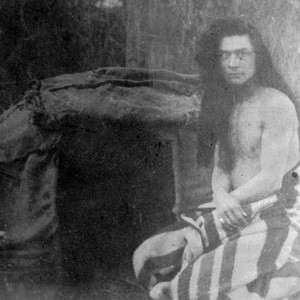
At Long Camp in present Idaho, young Jean Baptiste’s abscess worsens, and an enema is added to his medical treatments. The captains give some Nez Perce people directions on sweating their old chief while giving him horsemint tea. Silas Goodrich is told of “remarkably fat and fine” salmon brought from the Snake River, and Lewis takes celestial observations.
May 24, 1806
Sweats and horsemint tea
by Kristopher K. Townsend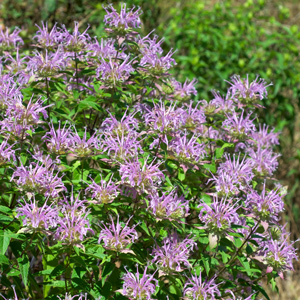
At Long Camp, the swelling on young Jean Baptiste’s neck worsens, and Pvt. Bratton is given sweats and horsemint tea. An old Nez Perce chief—treated a month ago—arrives, and Lewis is at a loss for a cure. At Tunnachemootoolt’s (Broken Arm) village, four men trade awls re-purposed from the small chain of a beaver trap.
May 23, 1806
Seaman helps hunt
by Kristopher K. Townsend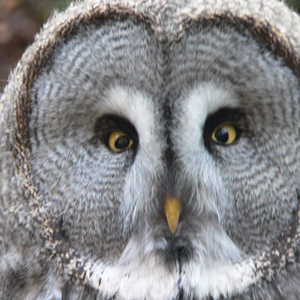
At Long Camp in present Kamiah, Idaho, toddler Jean Baptiste’s health improves, and Lewis’s dog Seaman helps hunt by pursuing a wounded deer. Lewis declares the Nez Perce method of castrating horses works better than his, and the hunters bring in a few grouse and two animals new to science: the Columbian ground squirrel and great grey owl.
May 22, 1806
Hemmed in by cliffs
by Kristopher K. Townsend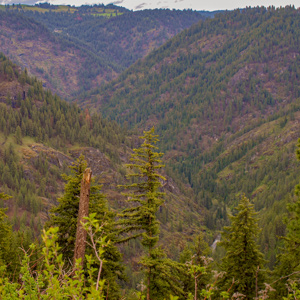
The day is fair at Long Camp, and the enlisted men work to dry wet items. The captains treat young Jean Baptiste’s high fever and swollen neck, and two Nez Perce men report that salmon are running in the Snake River. The captains learn that they are hemmed in by cliffs.
May 21, 1806
Last of the merchandise
by Kristopher K. Townsend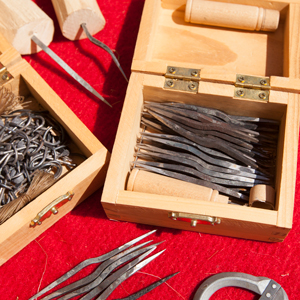
At Long Camp, the captains divide the last of their trade merchandise so that the men can barter for food and favors at nearby Nez Perce villages. At one village, Sgt. Ordway and Pvt. Goodrich observe Nez Perce women in mourning. A new shelter is built for the captains and their baggage, and five men start a new dugout canoe. Lewis discusses the fear of mistaking the edible roots collected by the locals with poisonous water hemlock.
May 20, 1806
Trading buttons for food
by Kristopher K. Townsend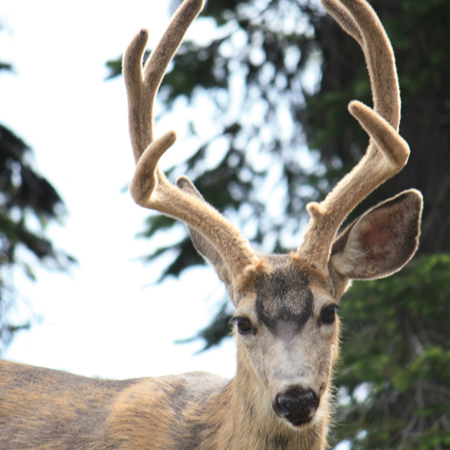
With violent rains at Long Camp—present Kamiah, Idaho—the captains lay in water most of the night. Labiche brings in a mule deer and reports snow in the higher plains. The men have traded all their brass buttons for food, and Lewis prepares a specimen of Wilcox’s beardtongue.
May 19, 1806
Caring for horses
by Kristopher K. Townsend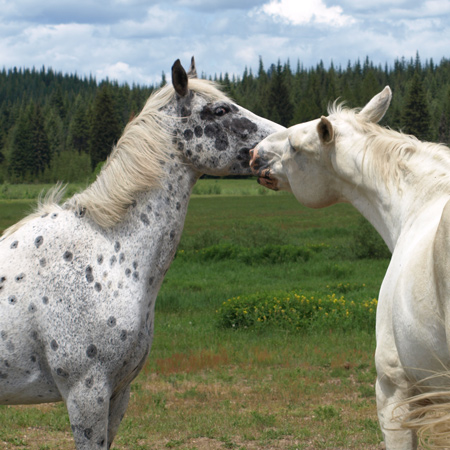
In the hills surrounding Long Camp, hunting remains poor. They must cross the Clearwater River to buy food at the Nez Perce village, present Kamiah, Idaho. A feral horse is brought to camp and castrated, numerous Nez Perce come to Clark seeking medical treatment for their sore eyes, and the horses are exercised.
May 18, 1806
Salmon run begins
by Kristopher K. Townsend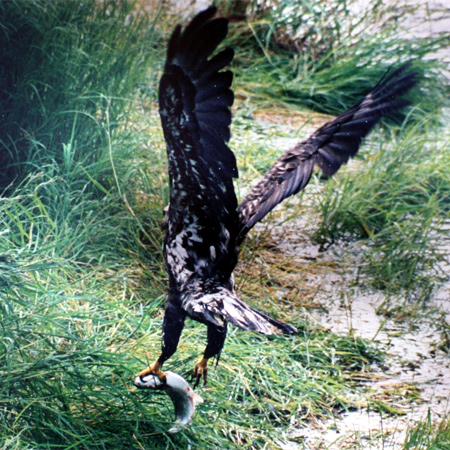
At Long Camp near Kamiah, Idaho, three hunters bring in bear meat. Someone sees an eagle with a salmon—a signal that the spring salmon run begins. Clark gives medical aid, Lewis gives meat to three unlucky Nez Perce hunters, and Sacagawea gathers more Yampah roots.
May 17, 1806
Long Camp rain
by Kristopher K. Townsend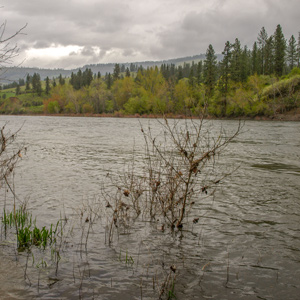
At Long Camp at Kamiah in present Idaho, all-night rain wets Lewis’s chronometer, and it requires repair. It rains all day at camp but in the surrounding hills, it snows. The hunters take extra precautions around grizzly bears, and Lewis prepares a specimen of cat’s ear mariposa lily. Everyone hopes they will soon be able to cross the Rocky Mountains.
May 16, 1806
Dispelling winds
by Kristopher K. Townsend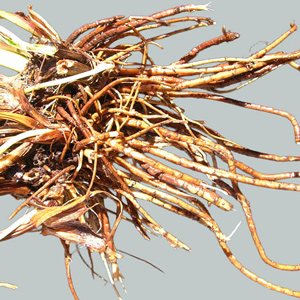
At Long Camp, the Captains’ mess eats Western sweet cicely and onions gathered by Sacagawea. The sweet cicely tastes like anise-seed and dispels the wind caused from digesting camas and cous roots. The flooding Collins Creek [present Lolo Creek, Idaho] limits the hunters’ range, and John Shields brings Lewis a woodpecker new to science.
May 15, 1806
Settling in at Long Camp
by Kristopher K. Townsend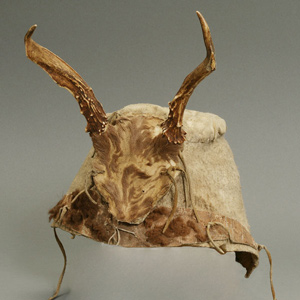
The expedition settles into Long Camp across the Clearwater River from Kamiah in present Idaho. Some build shelters and others search for a good location for a hunting camp. Clark reports that several enlisted men are sick while Lewis describes grizzly bear colors and Nez Perce hunting decoys.
May 14, 1806
Establishing Long Camp
by Kristopher K. Townsend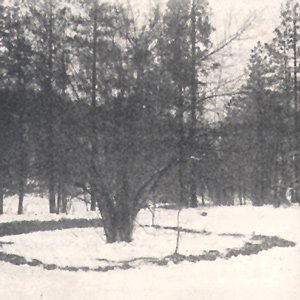
Nez Perce People help ferry the expedition’s gear, horses, and personnel across the Clearwater River at Kamiah in present Idaho. Broken Arm (Tunnachemootoolt) and Red Grizzly Bear (Xàxaac `ilpilp) show the captains how they castrate horses, and the captains give the latter a grizzly bear claw necklace.
May 13, 1806
Nez Perce manner and dress
by Kristopher K. Townsend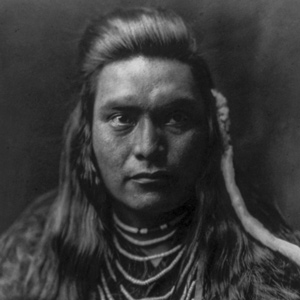
The expedition moves a few miles from Lawyer Canyon to the Clearwater River in present Kamiah, Idaho. Lewis describes in detail the manner, appearance, dress, ornamentation, and hairstyles of the Nez Perce.
Experience the Lewis and Clark Trail
The Lewis and Clark Trail Experience—our sister site at lewisandclark.travel—connects the world to people and places on the Lewis and Clark Trail.
Discover More
- The Lewis and Clark Expedition: Day by Day by Gary E. Moulton (University of Nebraska Press, 2018). The story in prose, 14 May 1804–23 September 1806.
- The Lewis and Clark Journals: An American Epic of Discovery (abridged) by Gary E. Moulton (University of Nebraska Press, 2003). Selected journal excerpts, 14 May 1804–23 September 1806.
- The Lewis and Clark Journals. by Gary E. Moulton (University of Nebraska Press, 1983–2001). The complete story in 13 volumes.
This site is provided as a public service by the
Lewis and Clark Trail Alliance
with additional funding from the following: