Kristopher Townsend
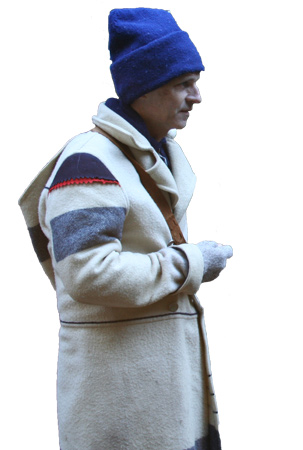
From the Pacific Northwest Living Historians at Lewis and Clark National Historic Park, Fort Clatsop.
Since 2016, Kristopher K. Townsend has been the webmaster and editor of this site, Discovering Lewis & Clark®. He has been actively photo-documenting the Lewis and Clark Trail since 1995. He attempts as closely as possible to re-create scenes as described in the journals including the same time of year, natural state, location, and weather. He has contributed numerous photos throughout the Discovering Lewis & Clark website.
Kris taught several years as a tenured instructor at Spokane Falls Community College. His courses included Internet programming and other information technology and computer science courses. During that time, he was also the series editor and an author of a popular college textbook series on Office Technology.
Shortly after the advent of the World Wide Web, he managed a web server featuring digital photos, digital video, and articles created by his Glenwood Heights Primary students. Topics included historical sites of Clark County (Washington State), wildflowers and birds of Clark County, and how-to videos for school’s physical education program.
Contributions to this Site
September 19, 1804
The Sioux Pass
by Kristopher K. Townsend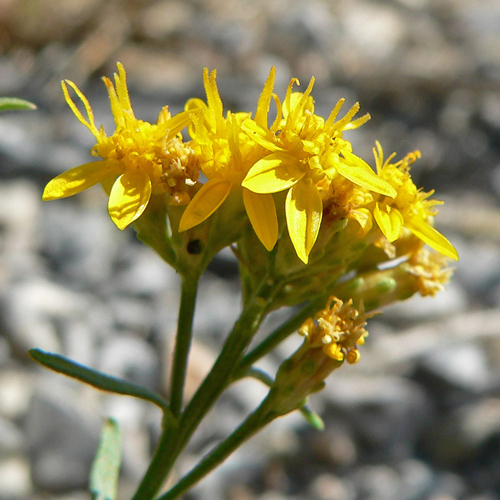
The winds are favorable and the hunting good. Clark explores the Sioux Pass of the Three Rivers, and Lewis adds broom snake weed to his plant collection. Camp is near present Lower Brule, South Dakota.
September 18, 1804
Coyote specimen
by Kristopher K. Townsend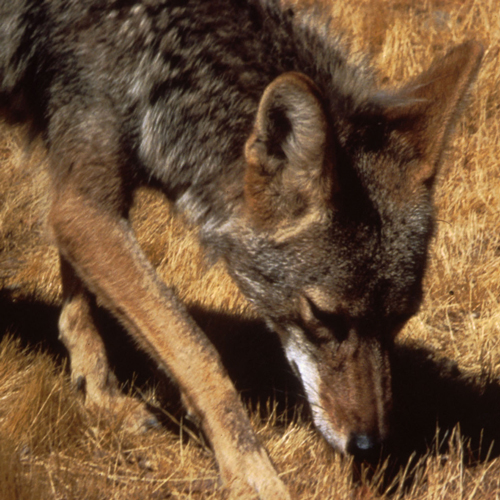
The hunters do well, so they stop early above present Chamberlain, South Dakota to jerk meat. Lewis sees the first sign of fall and makes a specimen of coyote, Missouri milkvetch, and tall blazing star.
September 17, 1804
Plum Camp fauna
by Kristopher K. Townsend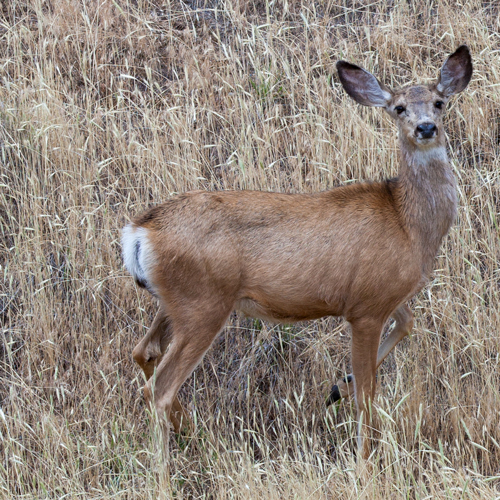
While the men rest at Plum (AKA Pleasant) Camp near present Oacoma, South Dakota, Lewis describes immense herds of bison, shy and fleet pronghorns, curious mule deer, and beautiful black-billed magpies.
September 16, 1804
A pleasant camp
by Kristopher K. Townsend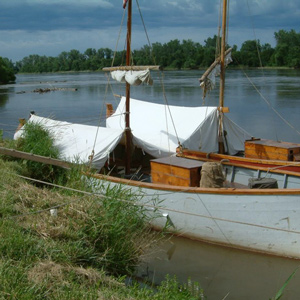
The expedition establishes a ‘pleasant’ camp to organize cargo and refresh the men. Because the barge is so heavy, the captains decide to continue using the red pirogue rather than sending it back.
September 15, 1804
The White River
by Kristopher K. Townsend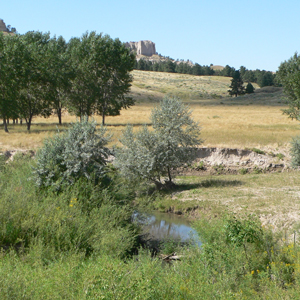
Moving up the Missouri below present Oacoma, South Dakota, the expedition passes the creek where Shannon had waited to be rescued. Gass and Reubin Field spend the night twelve miles up the White River.
September 14, 1804
Pronghorn and jackrabbit
by Kristopher K. Townsend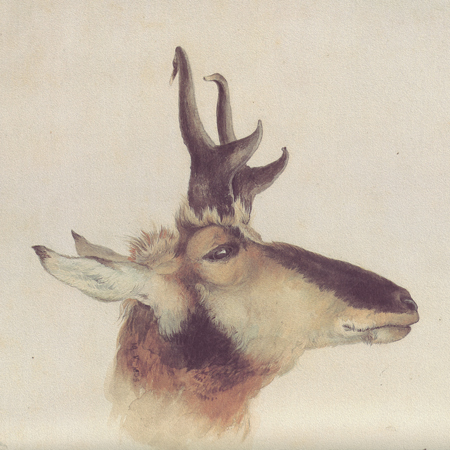
As the men move the boats up the Missouri below present Oacoma, South Dakota, Clark kills a pronghorn, and Pvt. Shields kills a white-tailed jackrabbit. In his natural history notes, Lewis describes each.
September 13, 1804
Porcupine for supper
by Kristopher K. Townsend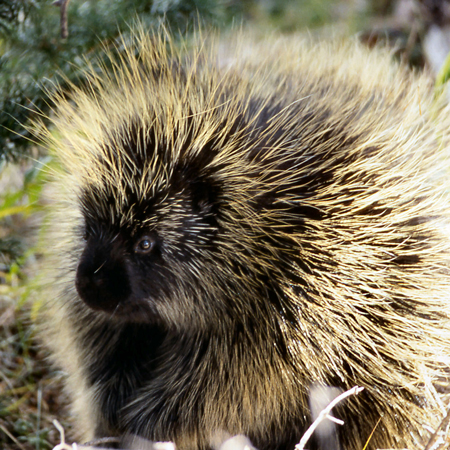
Islands and sandbars crowd the river and slow progress. Ordway, Pryor, Shannon gather plums but must spend the night alone near present Grandview, South Dakota. They have porcupine for supper.
September 12, 1804
Troublesome Island
by Kristopher K. Townsend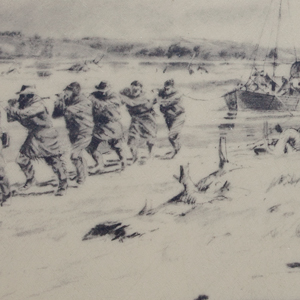
In present South Dakota, the barge nearly turns over. They then head up the wrong side of Troublesome Island and must turn back. Lewis adds two plants to his collection.
September 11, 1804
Shannon found!
by Kristopher K. Townsend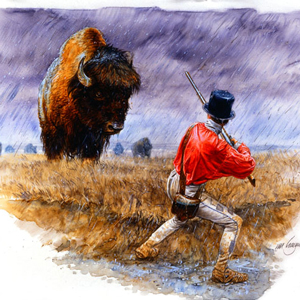
While moving up the Missouri, they come across Pvt. Shannon who has been missing for 22 days. Wearing a red shirt, Sgt. Ordway has a close encounter with a bison bull, and the rain wets his powder.
September 10, 1804
Plesiosaur bones
by Kristopher K. Townsend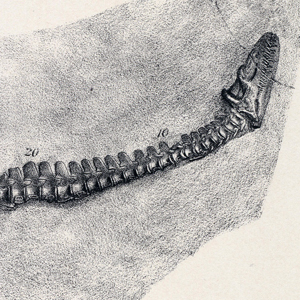
Under a gentle breeze, the expedition makes 20 miles stopping about six miles below the present Snake Creek bridge in South Dakota. Along the way, they collect fossilized bones from a plesiosaur.
September 9, 1804
Gangs of buffalo
by Kristopher K. Townsend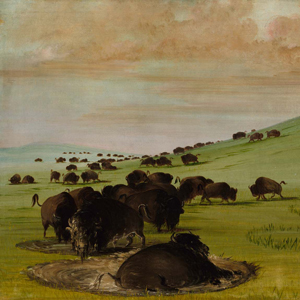
Approaching present Whetstone Bay in South Dakota, progress is slowed by countless sandbars. Clark and York hunt for pronghorn and mule deer. Finding none, Clark has York kill a bison instead.
September 8, 1804
Truteau's old trading house
by Kristopher K. Townsend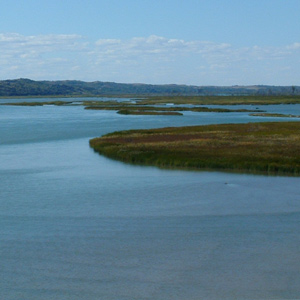
With favorable winds, the boats make 17 miles up the Missouri. They pass Jean Baptiste Truteau’s old trading house, and they are now entirely within present South Dakota. Pvt. Shannon is still missing.
September 7, 1804
Prairie dog town
by Kristopher K. Townsend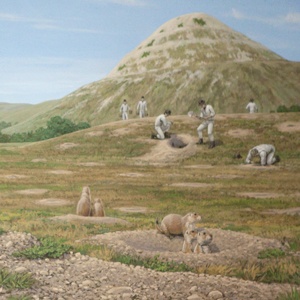
The captains climb Old Baldy—The Tower in present South Dakota. Everybody but the camp guard visits a prairie dog town, and they eventually catch one as a specimen. Pvt. Shannon is still missing.
September 6, 1804
Towing the barge
by Kristopher K. Townsend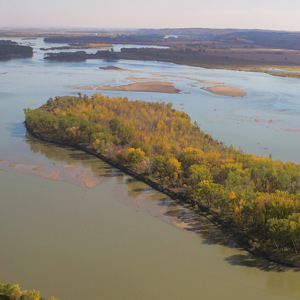
The barge hits many sandbars and they only make eight miles for the day camping near Greenwood, South Dakota. Pvt. Colter returns without Pvt. Shannon who has been missing for many days.
September 5, 1804
No Preserve Island
by Kristopher K. Townsend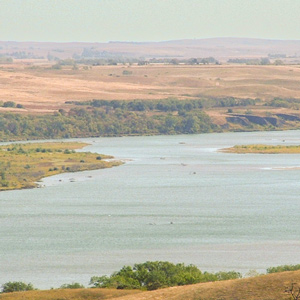
After making 13¾ miles, the boats stop early at what they name No Preserve Island to make a new cedar mast for the barge. Lewis describes the bull snake and adds two plants to his collection.
September 4, 1804
Shannon still missing
by Kristopher K. Townsend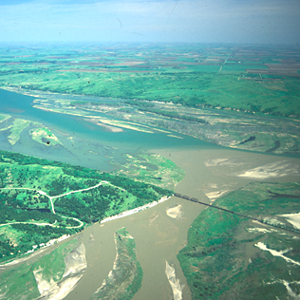
They pass an old Ponca village and make eight miles before stopping at the Niobrara River to explore, hunt, and look for signs of Pvt. Shannon who has been missing several days.
September 3, 1804
Endless prairie views
by Kristopher K. Townsend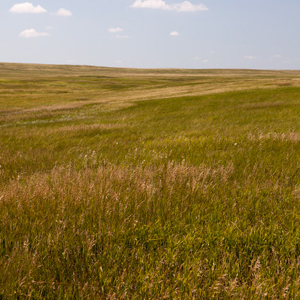
Heading up the Missouri, the men see yellow and chalk-colored bluffs, fine plumbs, pronghorns, signs of the missing hunter, Pvt. Shannon, but few trees. They camp above present Santee, Nebraska.
September 2, 1804
Passing Bon Homme Island
by Kristopher K. Townsend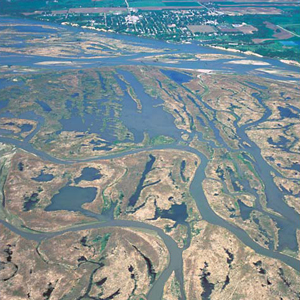
Below present Springfield, South Dakota, the boats navigate around a large island with numerous elk. They describe unusual sand ridges which appear as Indian fortifications, and Lewis collects plants.
September 1, 1804
Leaving Calumet Bluff
by Kristopher K. Townsend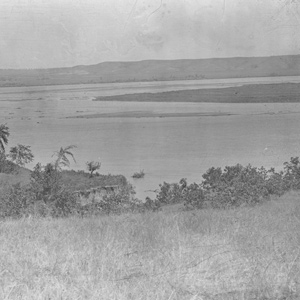
The expedition leaves the Yankton Sioux and reaches Bon Homme island, now inundated behind Point Gavins Dam. Several catfish are caught, and Lewis collects a specimen of wild four-o’clock.
August 31, 1804
Yankton speeches
by Kristopher K. Townsend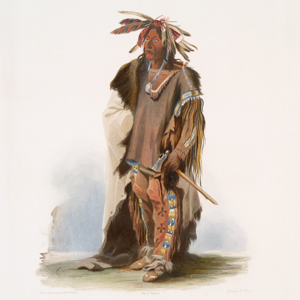
In the morning, the Yankton Sioux council started yesterday continues. Today, several of the Sioux give speeches as Clark and Sgt. Ordway take notes. Trader Pierre Dorion is assigned a diplomatic mission to make peace with all the region’s Nations, and Clark observes four Akicita Society warrior who returned from battle with the Apsálooke (Crow).
August 30, 1804
Yankton council and dance
by Kristopher K. Townsend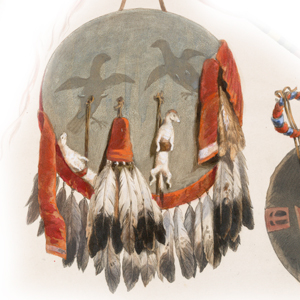
At a council with the Yankton Sioux, Lewis delivers a speech, gifts are given, and the peace pipe is passed. Clark learns about the Akicita Society, and Sgt. Ordway finds their song, dance, and musical instruments interesting.
August 29, 1804
Seventy Yanktons arrive
by Kristopher K. Townsend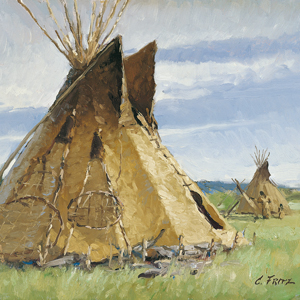
At present Yankton, South Dakota, Sgt. Pryor and ‘Old’ Dorion bring in a large delegation of Yankton Sioux. Clark writes about their ‘conic’ lodges and is presented a fat dog which he finds ‘good and well flavored’. Pvt. Shannon is still missing.
August 28, 1804
Pirogue repairs
by Kristopher K. Townsend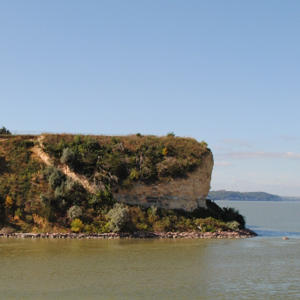
In windy conditions, they move to the Calumet Bluffs across from present Yankton, South Dakota. When a snag punches a hole in the red pirogue, repairs begin. The captains prepare for a council with the Yankton Sioux, and Pvt. Colter is sent out to find Pvt. Shannon who has been missing for several days.
August 27, 1804
Nearing the Yankton Sioux
by Kristopher K. Townsend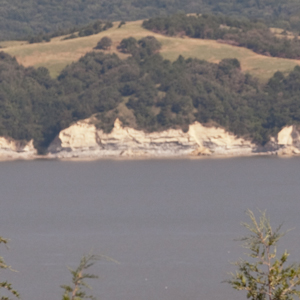
Nearing present Yankton, South Dakota, a fire is set to signal the Sioux to a council. Soon, a Yankton man and two boys arrive. Drouillard fails to find Pvt. Shannon who has not returned from a hunting trip, and Lewis collects a specimen of lemon scurfpea.
August 26, 1804
A new sergeant
by Kristopher K. Townsend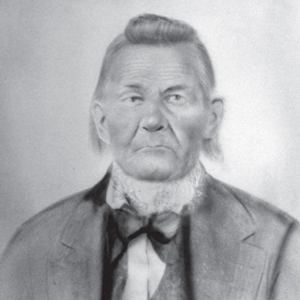
Near present Vermillion, South Dakota, the enlisted men dry meat and cut elk skin to make rope. They then continue up the Missouri passing a cliff of white clay ‘marl’. Pvt. Gass is promoted to sergeant, and camp is near the abandoned Omaha village Petite Arch.
August 25, 1804
Mountain of evil spirits
by Kristopher K. Townsend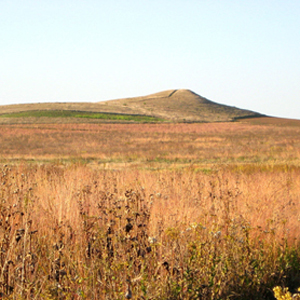
The captains take a large party to explore Spirit Mound—rumored to a mountain of evil spirits and little devils. They suffer from excessive heat and see birds eating swarms flying ants. Lewis collects a specimen of the Rocky Mountain bee plant.
August 24, 1804
Bluffs on fire
by Kristopher K. Townsend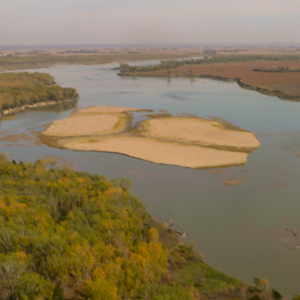
On their way to the mouth of the Vermillion River in present South Dakota, the expedition passes a burning bluff that some call the Ionia Volcano. York kills an elk, and the captains express curiosity about a small mound in the prairie—Spirit Mound—that the Omahas, Sioux, and Otoes fear.
August 23, 1804
First bison kill
by Kristopher K. Townsend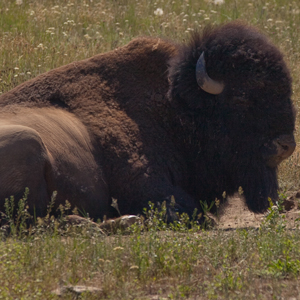
Near present Vermillion, South Dakota, Pvt. J. Field has the expedition’s first bison kill. They gather the meat and move up the river about ten miles before stopping to preserve the day’s harvest. Blowing sand turns the plains white and hampers Clark’s journal writing while Lewis collects a mineral specimen of selenite.
August 22, 1804
Gass elected sergeant
by Kristopher K. Townsend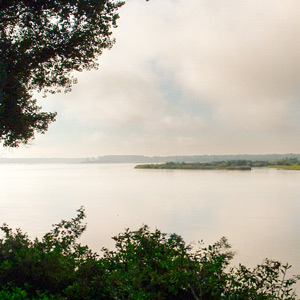
The enlisted men sail the boats about twenty miles up the Missouri stopping southeast of present Vermillion, South Dakota. While investigating some minerals, Lewis is overcome by caustic fumes. Pvt. Patrick Gass is elected to replace Sgt. Charles Floyd who recently died.
August 21, 1804
Big Sioux country
by Kristopher K. Townsend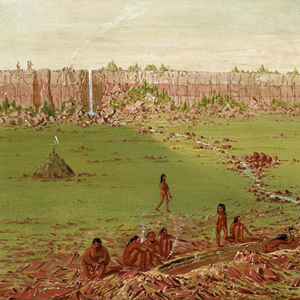
When strong winds create blowing sands, the barge’s sail must be reefed, and they must add ballast to the white pirogue to keep it on course. On board, trader Pierre Dorion informs the captains of the geography of the Big Sioux country and the Red Pipestone Quarry. At the end of the day, they camp near present Ponca, Nebraska.
In Philadelphia, the Osage delegation—previously arranged in part by Lewis and Clark and led by Pierre Chouteau—heads home.
August 20, 1804
Burying Sgt. Floyd
by Kristopher K. Townsend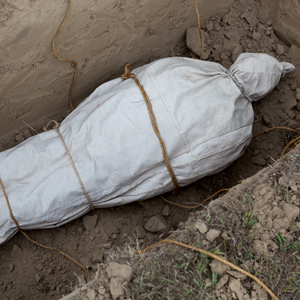
Near present Homer, Nebraska, Clark spends most of the night attending to Sgt. Floyd who is gravely ill. They head up the Missouri in the morning, but soon stop near present Sioux City, Iowa to bury the young sergeant.
Elsewhere in New Orleans, the former Spanish governor of Louisiana reports on several American expeditions in contested Spanish territory.
August 19, 1804
Sgt. Floyd taken ill
by Kristopher K. Townsend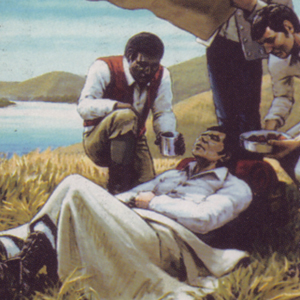
During a council with some Otoes near present Homer, Nebraska, speeches and gifts are exchanged, but the Otoes appear dissatisfied with their gifts. Sgt. Floyd becomes seriously ill and requires urgent care.
August 18, 1804
Trial and punishment
by Kristopher K. Townsend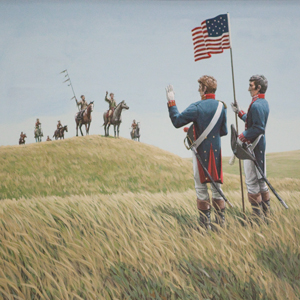
At Fish Camp near present Homer, Nebraska, Drouillard’s party returns with deserter Pvt. Reed and some Otoes. At the ensuing trial, Reed is found guilty and sentenced to run a gauntlet four times. The Otoes witnessing the punishment ask for mercy. To celebrate Lewis’s birthday, the enlisted men are given an extra gill of whiskey.
August 17, 1804
Otoe chiefs and a deserter
by Kristopher K. Townsend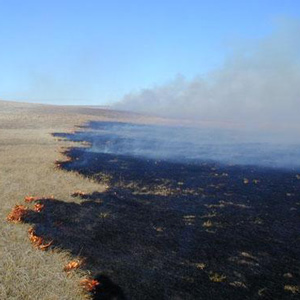
Pvt. Labiche returns to Fish Camp near present Homer, Nebraska with news that three Otoe chiefs and the deserter Pvt. Reed will soon arrive. A prairie fire is set to signal any nearby Indians, and Lewis collects a specimen of curly-cup gumweed—now lost.
August 16, 1804
800 'fine fish'
by Kristopher K. Townsend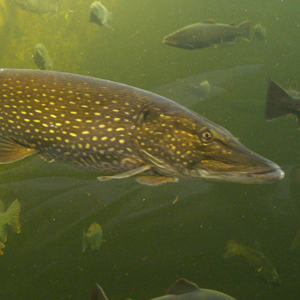
At Fish Camp near present Homer, Nebraska, Lewis bests yesterday’s catch when they pull out nearly ‘800 fine fish’ from a nearby beaver pond. In the evening, Clark appreciates the cooling breeze which ‘blows off the mosquitoes’. The two deserters—and the men chasing them—remain at large.
August 15, 1804
Dragging for fish
by Kristopher K. Townsend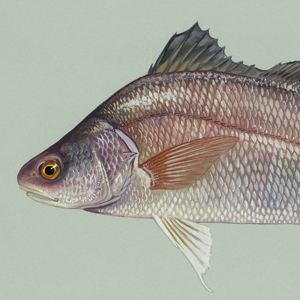
At Fish Camp near present Homer, Nebraska, Clark has a fish net made, and when they drag it through a nearby beaver pond, they catch over 300 fish. When smoke appears in the distance, fur trader Pierre Dorion leaves to find Indians.
August 14, 1804
Settling in at Fish Camp
by Kristopher K. Townsend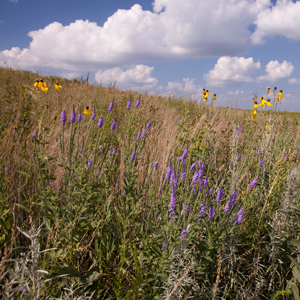
At Fish Camp near present Homer, Nebraska, Sgt. Ordway’s group returns from the nearby Omaha village empty-handed, and Clark worries about the men sent to find deserters Pvt. Reed and engagé La Liberté. The captains record celestial observations, and hunting is poor.
August 13, 1804
The Omaha's Big Village
by Kristopher K. Townsend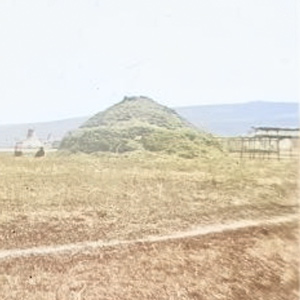
The enlisted men and engagés move the boats past old Fort Charles—a starting point for James Mackay’s important 1796 exploration of the upper Missouri. They encamp on a sandbar east of present Homer, Nebraska—a camp they named Fish Camp. Men are sent to Tonwantonga to invite the Omahas to a council.
August 12, 1804
Rounding Snyder Bend
by Kristopher K. Townsend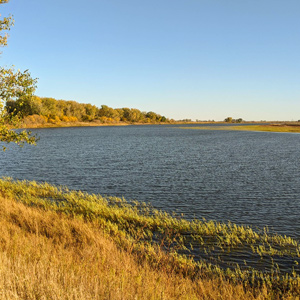
As the enlisted men and engagés move the boats around an eighteen-mile bend in the Missouri River—present Snyder Bend—a coyote barks like a feist dog. At camp, mosquitoes are “verry troublesome” and in Sgt. Floyd’s mess, Pvt. Weiser replaces Pvt. Thompson as cook.
August 11, 1804
Blackbird's Hill
by Kristopher K. Townsend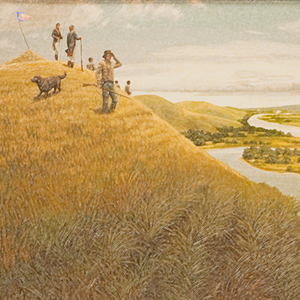
The captains climb Blackbird’s Hill where they place a flag at the grave of Blackbird, an Omaha chief and prolific trader. They then continue up the Missouri River, passing a creek where many Omaha people died from smallpox. They encamp near present Badger Lake, Iowa.
August 10, 1804
All sails ahead
by Kristopher K. Townsend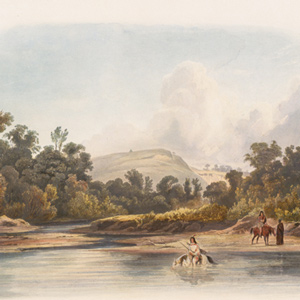
Moving along the present Nebraska-Iowa border, the enlisted men and engagés are given a reprieve when they can sail the boats up the Missouri River. They make 22½ miles and encamp within view of Blackbird Hill. Lewis collects the earliest plant specimen that survives today, field horsetail.
August 9, 1804
A 15-mile meander
by Kristopher K. Townsend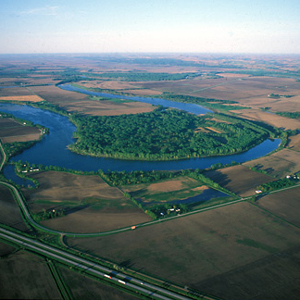
After waiting for the fog to clear, the expedition sets out at 7:30 in the morning. They stop for the day at an old Missouri River meander near Onawa, Iowa. Clark and Sgt. Floyd hunt along the old river channel, and they determine that the bend had lengthened the river by fifteen miles.
August 8, 1804
Flocks of pelicans
by Kristopher K. Townsend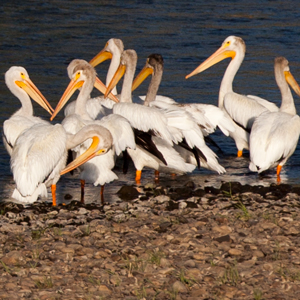
As the enlisted men and engagés move the boats up the Missouri River, they pass several islands and sandbars crowded with white pelicans. Two of the birds are shot, and Lewis describes them in his journal. Camp is near Pelican Point in present Iowa.
August 7, 1804
Deserters and tormentors
by Kristopher K. Townsend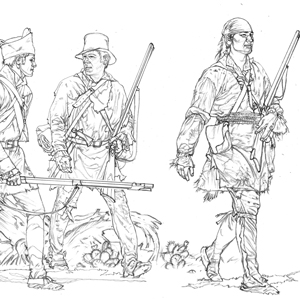
Near present Soldier Bend, the night gives little relief from troublesome mosquitoes, Drouillard and three privates are sent back to the Otoe village to find deserters Moses Reed and La Liberté. The boats leave late in the morning, reaching a camp near present Little Sioux, Iowa.
August 6, 1804
Wanted—dead or alive!
by Kristopher K. Townsend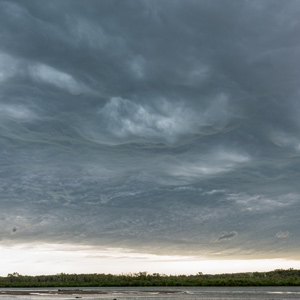
The expedition sets out early after a violent, stormy night, and the enlisted men and engagés row the boats 20½ miles up the Missouri reaching the present Soldier Bend Wildlife Area. Sgt. Gass collects a fossil, and the captains decide to bring back deserters Moses Reed and La Liberté—dead or alive.
August 5, 1804
Bull snakes and least terns
by Kristopher K. Townsend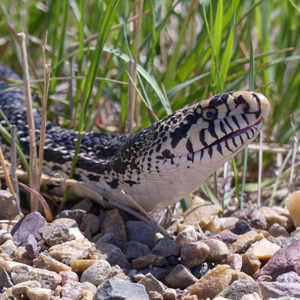
As the enlisted men and engagés move the boats up the Missouri River in present Harrison County, Iowa, a large bull snake is killed. Lewis describes the snake—along with a least tern—and Clark suspects that Pvt. Reed has deserted.
August 4, 1804
Moses Reed is missing
by Kristopher K. Townsend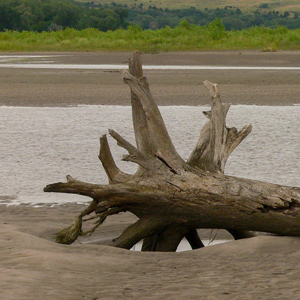
The expedition travels fifteen miles up the Missouri and encamps southwest of present Modale, Iowa. The captains record yesterday’s speech to the Otoes, and Pvt. Moses Reed—who had headed back to the previous night’s camp to retrieve his knife— does not return as expected. Lewis collects a specimen of snow-on-the-mountain, and they pass an old trading house where Pvt. Cruzatte had worked.
August 3, 1804
The Otoe council
by Kristopher K. Townsend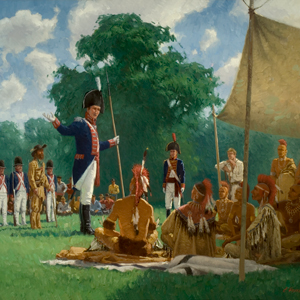
On Council Bluff at present Fort Atkinson, Nebraska, most of this day is spent exchanging speeches, gifts, and knowledge with the Otoes and Missourias. The captains recommend placing a trading house nearby, and at three p.m., the enlisted men and engagés move the boats six miles up the Missouri.
August 2, 1804
The Otoes arrive
by Kristopher K. Townsend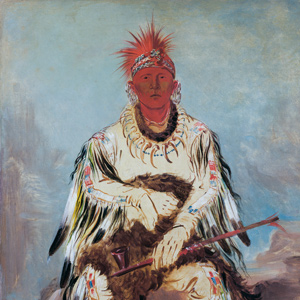
At sunset near present Fort Atkinson, Nebraska, several Otoes arrive at Council Bluff. Guns are fired, hands are shaken, and the captains exchange tobacco and food for watermelons. Lewis collects another plant specimen and examines a great egret.
August 1, 1804
A botanist's field day
by Kristopher K. Townsend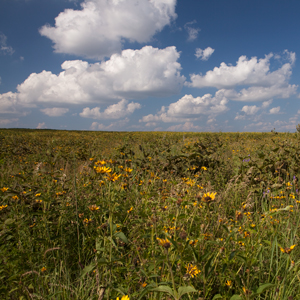
At Council Bluff in present Fort Atkinson, Nebraska, Clark prepares a peace pipe anticipating that the Otoes will soon arrive for a council. Two men search for lost horses and others search for the Otoes. Neither are found. Clark declares the area a field for botanists, and Lewis prepares a specimen of American black currant.
Experience the Lewis and Clark Trail
The Lewis and Clark Trail Experience—our sister site at lewisandclark.travel—connects the world to people and places on the Lewis and Clark Trail.
Discover More
- The Lewis and Clark Expedition: Day by Day by Gary E. Moulton (University of Nebraska Press, 2018). The story in prose, 14 May 1804–23 September 1806.
- The Lewis and Clark Journals: An American Epic of Discovery (abridged) by Gary E. Moulton (University of Nebraska Press, 2003). Selected journal excerpts, 14 May 1804–23 September 1806.
- The Lewis and Clark Journals. by Gary E. Moulton (University of Nebraska Press, 1983–2001). The complete story in 13 volumes.
This site is provided as a public service by the

Lewis and Clark Trail Alliance
with additional funding from the following: