Kristopher Townsend
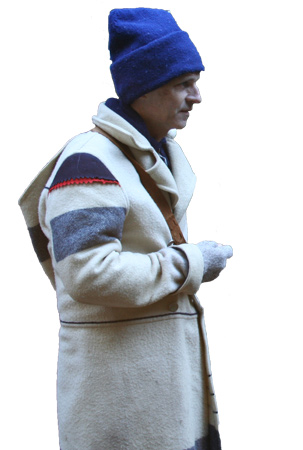
From the Pacific Northwest Living Historians at Lewis and Clark National Historic Park, Fort Clatsop.
Since 2016, Kristopher K. Townsend has been the webmaster and editor of this site, Discovering Lewis & Clark®. He has been actively photo-documenting the Lewis and Clark Trail since 1995. He attempts as closely as possible to re-create scenes as described in the journals including the same time of year, natural state, location, and weather. He has contributed numerous photos throughout the Discovering Lewis & Clark website.
Kris taught several years as a tenured instructor at Spokane Falls Community College. His courses included Internet programming and other information technology and computer science courses. During that time, he was also the series editor and an author of a popular college textbook series on Office Technology.
Shortly after the advent of the World Wide Web, he managed a web server featuring digital photos, digital video, and articles created by his Glenwood Heights Primary students. Topics included historical sites of Clark County (Washington State), wildflowers and birds of Clark County, and how-to videos for school’s physical education program.
Contributions to this Site
November 8, 1804
Riving cottonwood logs
by Kristopher K. Townsend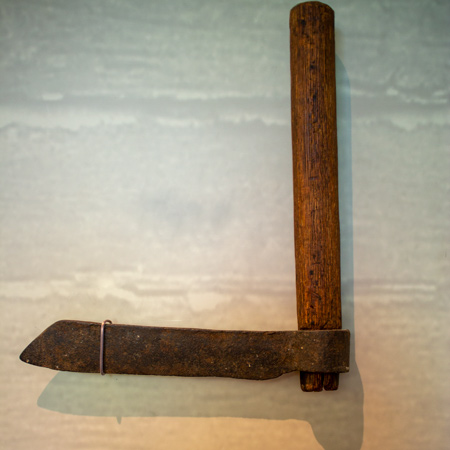
Sgt. Ordway is hopeful that their cottonwood logs will rive well—split into boards. He reports that they will have to give up on that plan. Traders from Canada arrive at the Hidatsa villages.
November 7, 1804
Fort Mandan walls
by Kristopher K. Townsend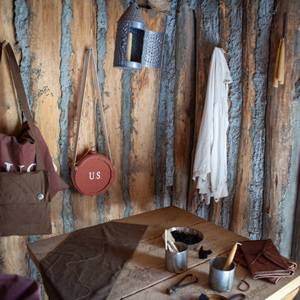
The day is warm and foggy at the Fort Mandan building site below the Knife River Villages. Sgt. Ordway describes the process used to build the walls of the captains’ quarters.
November 6, 1804
Northern lights
by Kristopher K. Townsend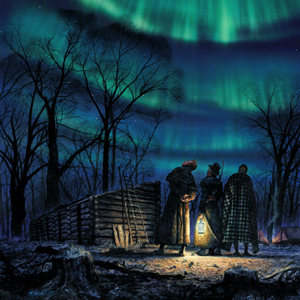
During the night, the guard wakes the captains so they can view the Aurora Borealis. Joseph Gravelines and four St. Charles boatmen leave for the Arikara villages to promote Mandan-Arikara peace.
November 5, 1804
Raising the huts
by Kristopher K. Townsend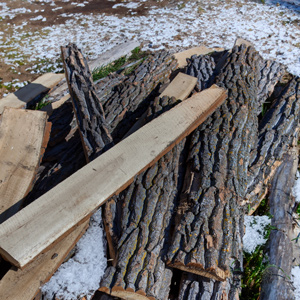
The day is spent raising Fort Mandan cabins and splitting boards for the cabin lofts. Mandan hunters report capturing 100 pronghorns, Clark’s rheumatism continues, and Lewis spends the day writing.
November 4, 1804
Meeting Charbonneau
by Kristopher K. Townsend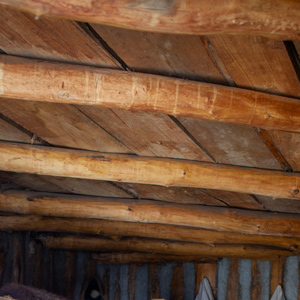
The enlisted men continue building Fort Mandan lifting the heavy ceiling beams into place. Fur trader Toussaint Charbonneau visits the site, and the captains hire him as a Hidatsa interpreter.
November 3, 1804
Personnel changes
by Kristopher K. Townsend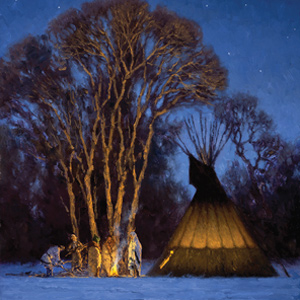
The engagés are discharged, and Lepage and Jusseaume are hired from among the traders at the Knife River Villages. Fort Mandan’s foundation is completed, and a dram of whiskey revives the cold workers.
November 2, 1804
Fort Mandan start
by Kristopher K. Townsend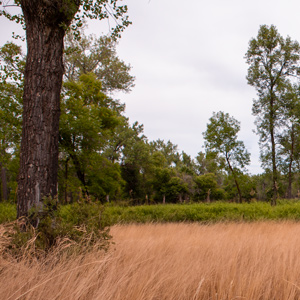
At the Knife River Villages, Lewis trades for corn at Mitutanka. Clark picks a location for winter quarters, and the men begin felling trees. Arikara chief Too Né leaves for his village on the Grand River.
November 1, 1804
Looking for winter quarters
by Kristopher K. Townsend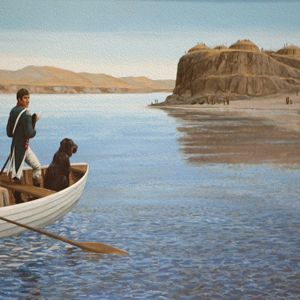
Lewis sends a letter and his British passport to a North West Company Fort and three Mandan chiefs visit. In the evening, Clark leaves to establish winter quarters and Lewis visits Mitutanka to get corn.
October 31, 1804
Black Cat speaks
by Kristopher K. Townsend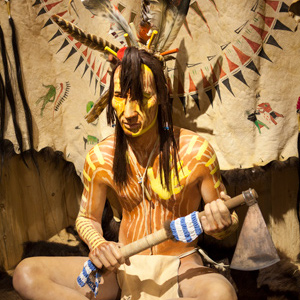
Clark visits Posecopsahe (Black Cat), the main chief at Ruptáre, one of the five Knife River Villages. Posecopsahe wishes for peace and returns two beaver traps recently stolen from two French traders.
October 30, 1804
Sheheke's introduction
by Kristopher K. Townsend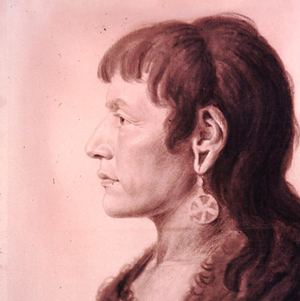
Sheheke and one other come to the expedition’s camp at the Knife River Villages having missed yesterday’s council. Clark and eight men head up the river in search of a place to spend the winter.
October 29, 1804
Mandan and Hidatsa council
by Kristopher K. Townsend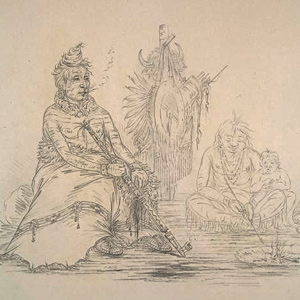
Opposite the Knife River, Mandan and Hidatsa chiefs come from each village to council with the captains. A long speech is given, and the captains ask them to smoke the pipe of peace with an Arikara chief.
October 28, 1804
Curiosity and corn
by Kristopher K. Townsend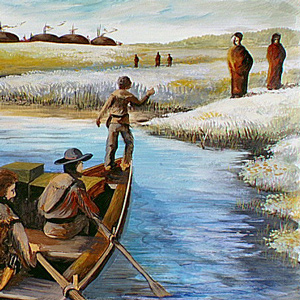
At camp across from the Knife River, Hidatsas and Mandans bring gifts of corn and curiosity about York. Posecopsahe (Black Cat), Clark, and Lewis look for a place to build winter quarters.
October 27, 1804
Ruptáre
by Kristopher K. Townsend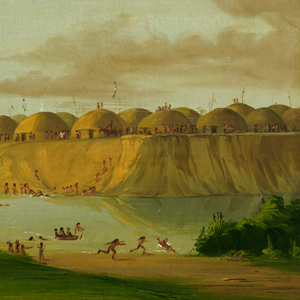
At the second Mandan village—Ruptáre—they hire free trader René Jusseaume as an interpreter. They camp opposite Mahawaha, the Awaxawi Hidatsa village at the mouth of the Knife River.
October 26, 1804
Mitutanka
by Kristopher K. Townsend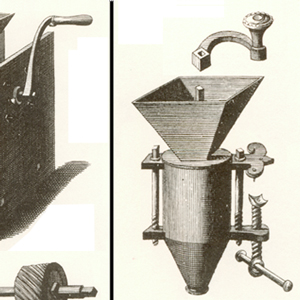
The expedition arrives at Mitutanka—a Mandan village at the Knife River Village complex. Lewis visits the village while Clark entertains visiting Mandans who are “much pleased with the Corn mill”.
October 25, 1804
Curious Mandans
by Kristopher K. Townsend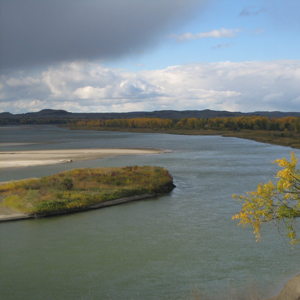
The expedition continues up the Missouri River above present Washburn, North Dakota. Finding a good channel becomes difficult, and they hear news of Sioux and Assiniboine raids and a killing.
October 24, 1804
Mandan cordiality
by Kristopher K. Townsend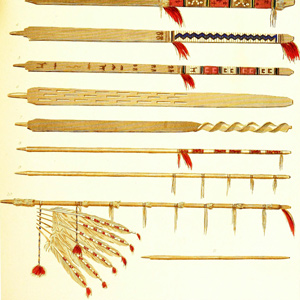
The morning brings snow and rain. Near present Washburn, North Dakota, the captains and Arikara chief Too Né are greeted by a Mandan chief and with great cordiality and ceremony, smoke the pipe.
October 23, 1804
Abundant buffaloberries
by Kristopher K. Townsend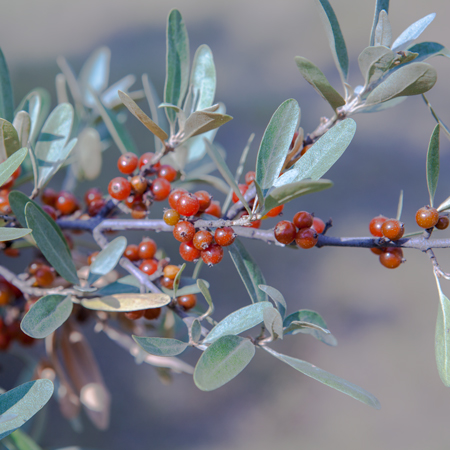
After the expedition sets out north of present Bismarck, North Dakota, it begins to snow. Sgt. Ordway says many of the men “eat freely off” the “Graze the Buff”—today known as buffaloberries.
October 22, 1804
Double Ditch village
by Kristopher K. Townsend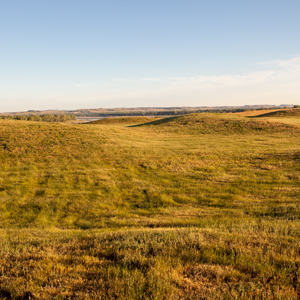
Moving up the Missouri, the expedition meets a group of Lakota Sioux on a raid, and the hunters do well. They end the day three miles above the abandoned Mandan village of Double Ditch.
October 21, 1804
Autumn's first snow
by Kristopher K. Townsend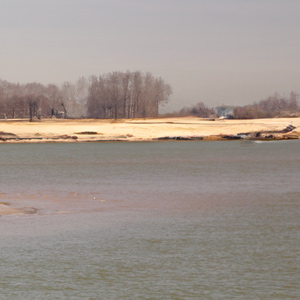
At sunrise near the Heart River, it begins to snow. Clark learns of that river’s significance to the Mandan Nation and sees a tree used for Sun Dances. They camp near present Mandan, North Dakota.
October 20, 1804
Pursuits and escapes
by Kristopher K. Townsend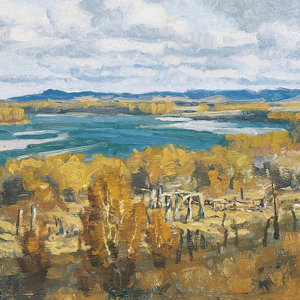
Below the Heart River Clark in present North Dakota, Clark sees On-a-Slant, a Mandan village abandoned due to Sioux attacks. Cruzatte wounds a grizzly and bison, and the unlucky hunter is chased by both.
October 19, 1804
Gangs of buffalo
by Kristopher K. Townsend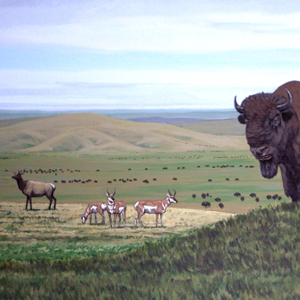
On their way to the mouth of the Little Heart River in present North Dakota, the expedition sees large herds of bison and elk, golden eagle nesting areas, and an abandoned Mandan village.
October 18, 1804
Passing the Cannonball
by Kristopher K. Townsend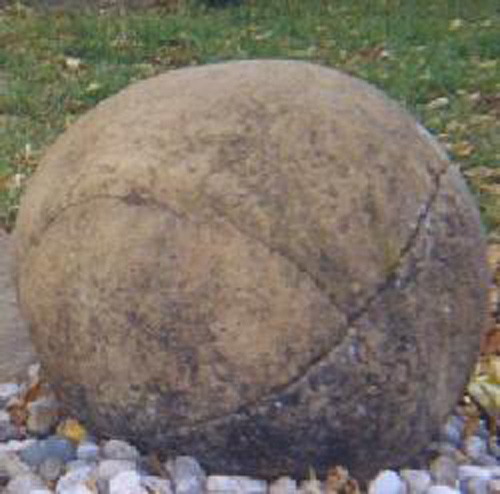
In passing the Cannonball River in present North Dakota, a ‘cannon ball’ is selected as a new anchor. Clark learns that most Arikaras avoid liquor, and Lewis adds prairie wild rose to his plant collection.
October 17, 1804
Too Né tells stories
by Kristopher K. Townsend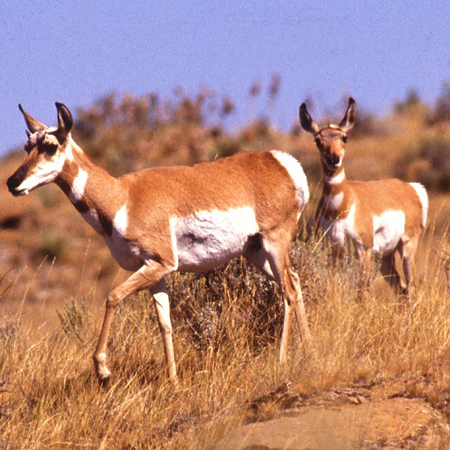
The barge is towed six miles against a headwind before the expedition stops for the day below the Cannonball River. Clark learns that pronghorns swim the river in a twice-yearly migration.
October 16, 1804
"Goat" hunting
by Kristopher K. Townsend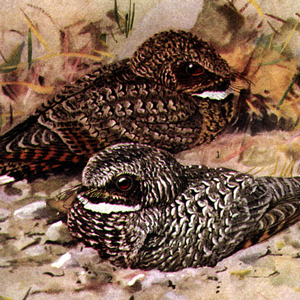
The expedition struggles 14 river miles between present Fort Yates and Beaver Creek in North Dakota. Some Arikaras hunt pronghorn, and Lewis adds common poorwill and creeping juniper to his collection.
October 15, 1804
Arikara exchanges
by Kristopher K. Townsend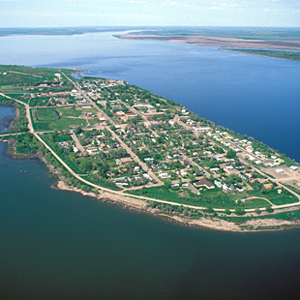
As the expedition travels near present Fort Yates, North Dakota, they pass various Arikara hunting camps. A young Indian girl travels with the boats, and York is “the Greatest Curiousity to them”.
October 14, 1804
Pvt. Newman's punishment
by Kristopher K. Townsend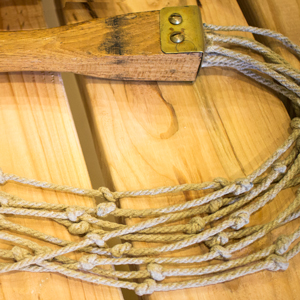
The day is rainy and most of the leaves have fallen as the expedition enters present North Dakota. The execution of Pvt. Newman’s court martial sentence startles chief Too Né who is traveling with them.
October 13, 1804
Newman's court-martial
by Kristopher K. Townsend 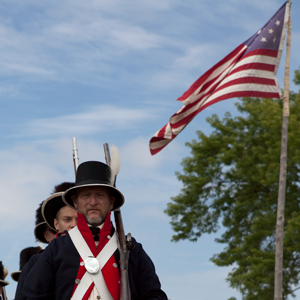
Private John Newman is tried for making mutinous remarks, and he is removed from the “permanent party engaged for North Western discovery”. Clark learns of an Arikara legend about some unusual rocks.
October 12, 1804
Trading with the Arikara
by Kristopher K. Townsend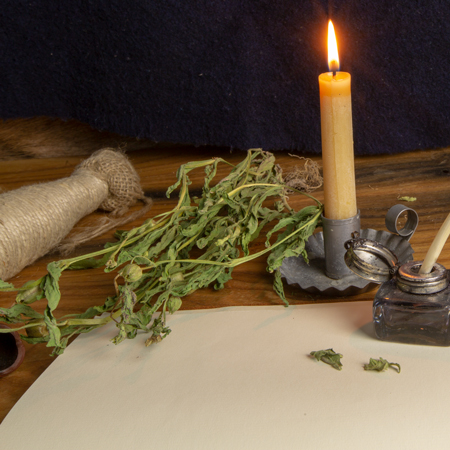
At an Arikara village, the morning is spent parleying and trading. At 1 pm, the expedition heads up the Missouri River and encamps near present Shaw Creek Recreation Area in South Dakota.
October 11, 1804
Arikara council
by Kristopher K. Townsend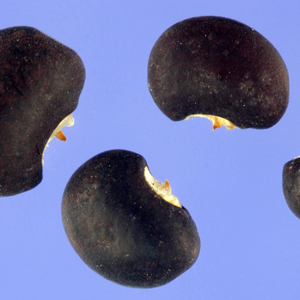
In a council, Arikara chiefs promise to keep the Missouri river open to trade with the United States. At another village near present Rogo Bay, South Dakota, the impoverished villagers give gifts of food.
October 10, 1804
An Arikara council
by Kristopher K. Townsend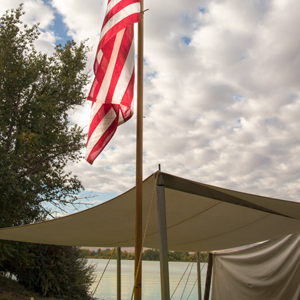
At Sawa-haini above present Mobridge, South Dakota, a council with the Arikaras is held. The standard speeches and gifts are given, Lewis demonstrates his air gun, and York hams it up for the locals.
October 9, 1804
York's big medicine
by Kristopher K. Townsend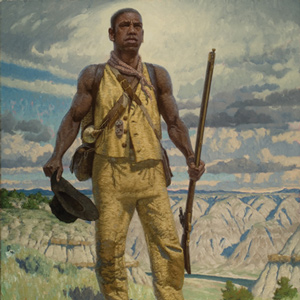
At Sawa-haini—an Arikara village near Mobridge, South Dakota—the planned council is delayed by weather. York fascinates the Arikara who apparently have never seen a black man before.
October 8, 1804
Arikara village Sawa-haini
by Kristopher K. Townsend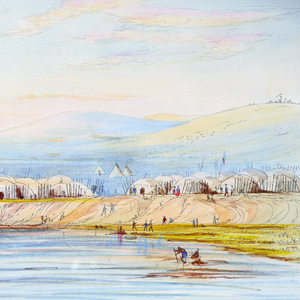
Near present Mobridge, South Dakota, Pvt. Frazer is promoted to the permanent party and assigned to Sgt. Gass. Camp is near Sawa-haini—an Arikara village where the interpreter Joseph Gravelines is found.
October 7, 1804
Grizzly bear tracks
by Kristopher K. Townsend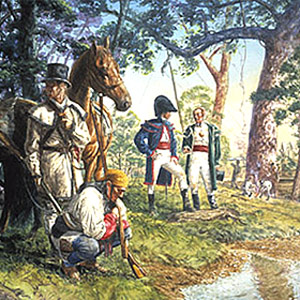
At the mouth of the Moreau, the travelers encounter their first grizzly bear tracks. They also see an empty Arikara village. Below present Mobridge, South Dakota, they camp by an island with many grouse.
October 6, 1804
Empty Arikara village
by Kristopher K. Townsend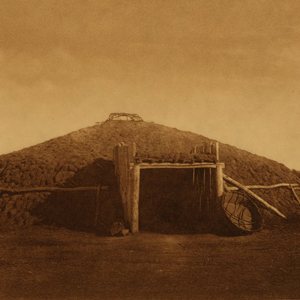
The expedition comes to a recently inhabited Arikara village. Walking the shore, Lewis observes several types of birds while the boats struggle to navigate the numerous Missouri River channels.
October 5, 1804
White Goat Creek
by Kristopher K. Townsend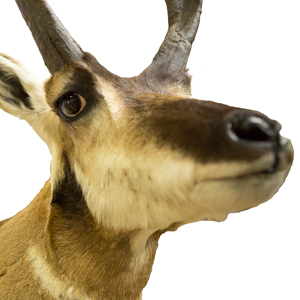
After a frosty morning, the boats are moved 20 miles up the Missouri passing present Forest City, South Dakota. Four pronghorns swimming the river are killed, and each man is issued a glass of whiskey.
October 4, 1804
Turn around
by Kristopher K. Townsend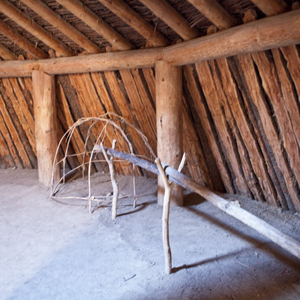
The day begins by dropping back three miles to a better channel. They avoid the Sioux along the banks, and camp across from an abandoned Arikara village near present Forest City, South Dakota.
October 3, 1804
Mice problems
by Kristopher K. Townsend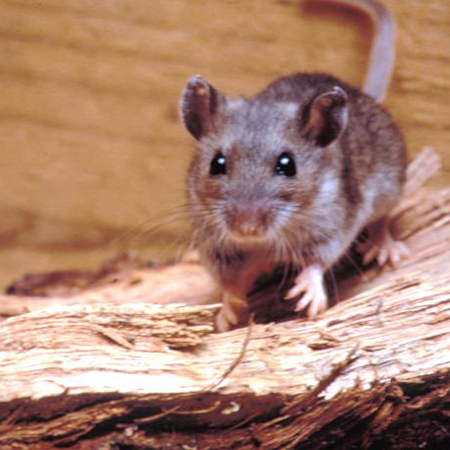
The captains discover that mice are eating their corn, paper, and cloth. Lewis adds pasture sagewort and long-leaved sagewort to his plant collection, and they camp near present Sutton Bay in South Dakota.
October 2, 1804
Caution Island
by Kristopher K. Townsend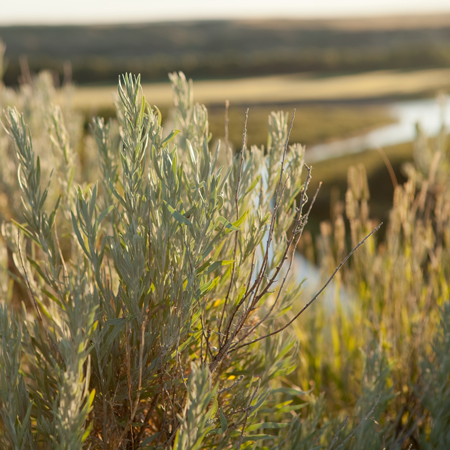
Near present Willow Creek Bay, South Dakota, the expedition anticipates an attack by the Lakota Sioux, and everyone is prepared for action. Lewis adds three specimens to his plant collection.
October 1, 1804
The Cheyenne River
by Kristopher K. Townsend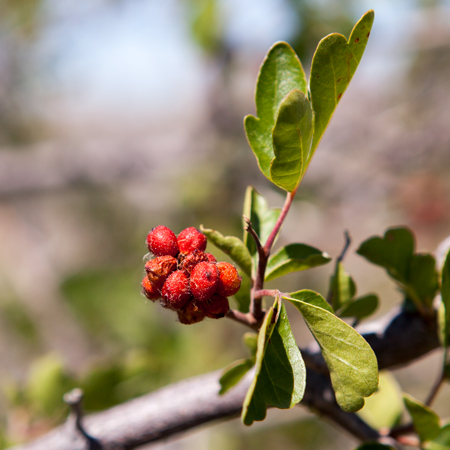
At the Cheyenne River, the captains meet trader Jean Vallé who tells them about that river. Clark finds that buffaberries make a delightful tart, and Lewis adds three specimens to his plant collection.
September 30, 1804
Sailing away
by Kristopher K. Townsend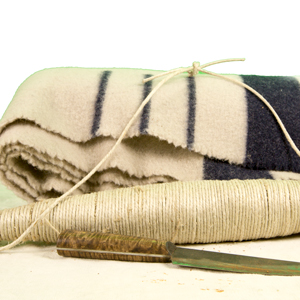
The expedition meets a band of Lakota Sioux. The captains give them some tobacco without landing. After a close call with the barge, a Sioux chief riding as a passenger decides to disembark.
September 29, 1804
Avoiding the Lakotas
by Kristopher K. Townsend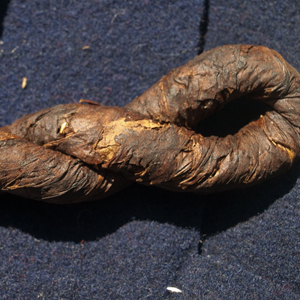
The expedition passes many Lakota Sioux who ask for tobacco. The captains decide not to land the barge, and at night near present Spring Creek, South Dakota, all but the guard sleep on the boats.
September 28, 1804
Leaving the Teton Sioux
by Kristopher K. Townsend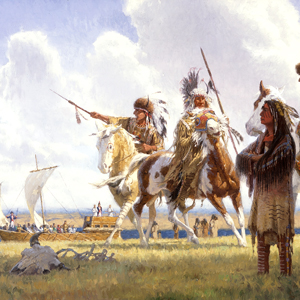
At present Pierre, South Dakota, the anchor lost yesterday cannot be found. When the expedition tries to leave, some Lakota Sioux warriors—followers of Torto-honga (Partisan)—grab the barge’s line. Weapons are readied, but eventually the chief concedes for a carrot of tobacco. Tensions remain high throughout the day. They make about six miles cand camp on an island above present Oahe Dam.
September 27, 1804
A lost anchor
by Kristopher K. Townsend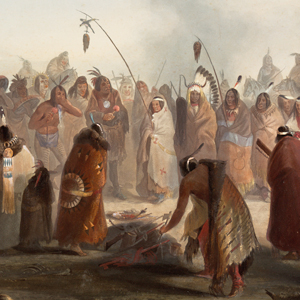
Among the Lakotas near present Pierre, South Dakota, an anchor line is accidentally severed, and the men must act quickly to save the barge. The Lakotas think they are under attack, and the captains suspect the Sioux are forming their own attack. Sgt. Gass describes the Scalp Dance.
September 26, 1804
Teton Sioux ceremony
by Kristopher K. Townsend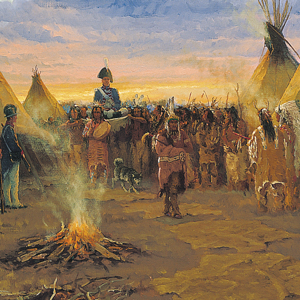
Clark and Lewis are ceremoniously carried into a Lakota Sioux village where they are feted with food and music. Clark sees several recently captured Omaha prisoners and asks for their return.
September 25, 1804
Good humor left behind
by Kristopher K. Townsend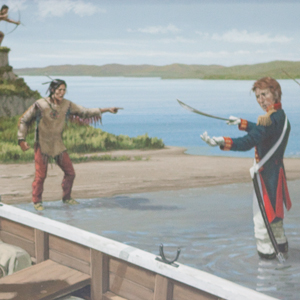
At Good Humor Island at present Pierre, South Dakota, a council with the Lakota Sioux brings diplomatic speeches, a military parade, and gifts. When the captains try to disembark, weapons are raised.
September 24, 1804
Buffalo Medicine
by Kristopher K. Townsend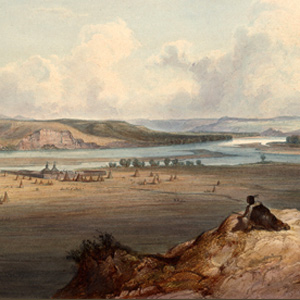
At present Pierre, South Dakota, the captains smoke with Buffalo Medicine, and a promise is made to return Pvt. Colter’s stolen horse and to meet with the captains tomorrow.
September 23, 1804
Signaling the Teton Sioux
by Kristopher K. Townsend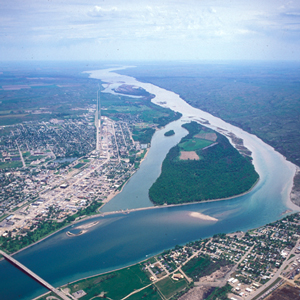
Below present Pierre, South Dakota, three Lakota Sioux boys say they have set signal fires to tell their villages the expedition is coming. The captains ask them to invite their chiefs to council.
September 22, 1804
Fort aux Cedres
by Kristopher K. Townsend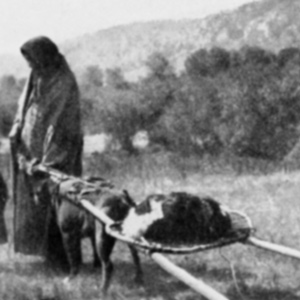
The expedition passes the abandoned Fort aux Cedres, a fur trading post built by Régis Loisel in present South Dakota. The hunters complain that the soils of the plains wear out their moccasins.
September 21, 1804
Camp washes away
by Kristopher K. Townsend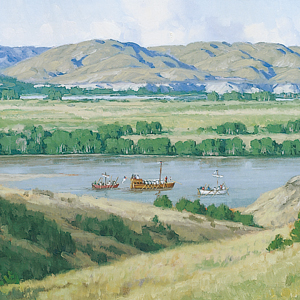
At the Big Bend of the Missouri, the men barely escape as the sandbar they are camping on washes into the river. They continue up the Missouri camping near present Joe Creek Bay, South Dakota.
September 20, 1804
Around the Big Bend
by Kristopher K. Townsend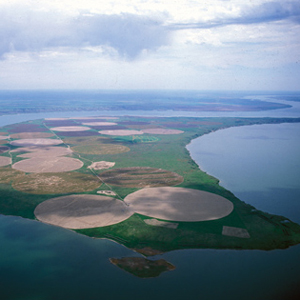
The expedition continues 30 river miles around the Big Bend of the Missouri near present Lower Brule, South Dakota. Clark finds the portage from one side to the other is only 2000 yards long.
Experience the Lewis and Clark Trail
The Lewis and Clark Trail Experience—our sister site at lewisandclark.travel—connects the world to people and places on the Lewis and Clark Trail.
Discover More
- The Lewis and Clark Expedition: Day by Day by Gary E. Moulton (University of Nebraska Press, 2018). The story in prose, 14 May 1804–23 September 1806.
- The Lewis and Clark Journals: An American Epic of Discovery (abridged) by Gary E. Moulton (University of Nebraska Press, 2003). Selected journal excerpts, 14 May 1804–23 September 1806.
- The Lewis and Clark Journals. by Gary E. Moulton (University of Nebraska Press, 1983–2001). The complete story in 13 volumes.
This site is provided as a public service by the

Lewis and Clark Trail Alliance
with additional funding from the following: