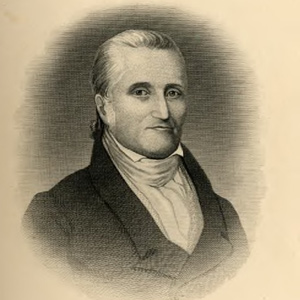
Peter Fidler

Early mapmaker

by

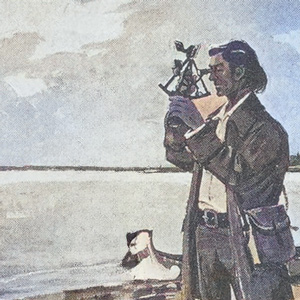
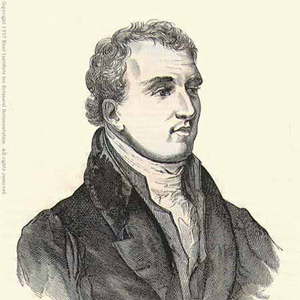
Peter Fidler (1769–1822) was a trader, surveyor, and ethnographer who played a pivotal role in mapping the Canadian Rockies and the Missouri River watershed. Employed by the Hudson’s Bay Company from 1791 to 1822, Fidler ventured into remote regions of North America. His efforts contributed significantly to the understanding of the continent’s vast and largely uncharted landscapes prior to the Lewis and Clark Expedition.
OPEN


William Christy

William Christy moved to St. Louis c. 1804 and opened a Public House in the old Government mansion at the corner of Main and Walnut Streets. It was here on 25 September 1806, that eighteen toasts were raised to the success of what would later become known as the Lewis and Clark Expedition.
OPEN


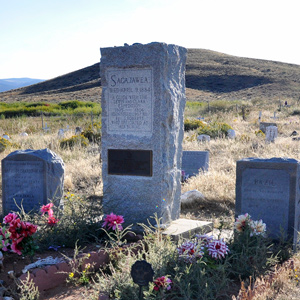
Sacagawea In the Journals

by

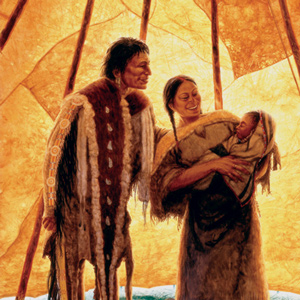
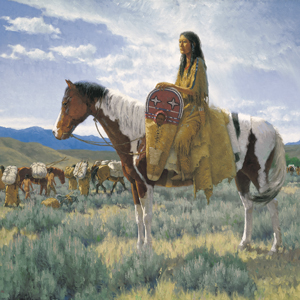
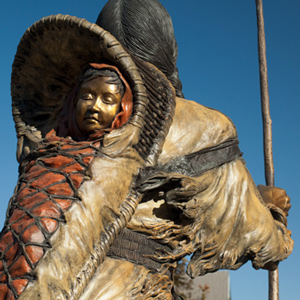
Sacagawea, also known as Sacajawea or Sakakawea, was a vital member of the Lewis and Clark Expedition, serving as an interpreter, diplomat, guide, and food gatherer. Her—and her child’s—presence symbolized peace among many of the Natives they encountered. The expedition journals document her life, tribal background, and key contributions.

OPEN


Clark, York, and Slavery

by

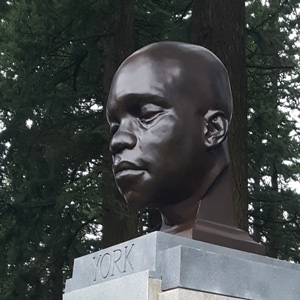
The mistake should never be made that the two men were friends. They were master and slave, owner and property, superior and inferior. As close as that relationship was for the many years and countless miles they were by each other’s side, for all the dangers and hardships they shared their relationship always was based on William as master and York as servant.

OPEN


George Rogers Clark

Jefferson's First Emissary to the West

by

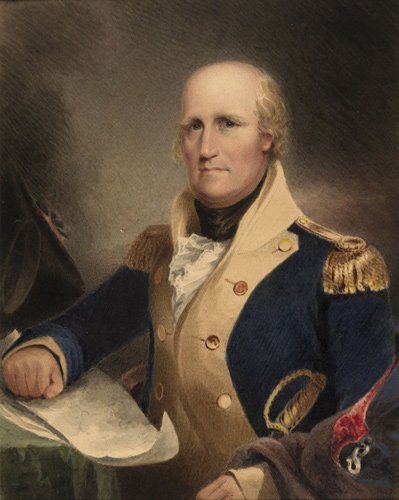
Jefferson put in George Clark’s hands the creation of an entire military infrastructure to defend the West. Clark was asked to whip together all the administrative structure of an army: quartermasters, commissaries, artificers, officers, and even washerwomen to keep the men uniformed, armed, disciplined, and fed.

OPEN


William Christy

William Christy moved to St. Louis c. 1804 and opened a Public House in the old Government mansion at the corner of Main and Walnut Streets. It was here on 25 September 1806, that eighteen toasts were raised to the success of what would later become known as the Lewis and Clark Expedition.
OPEN


Concomly

Prominent Chinook leader

by

Concomly was a prominent Chinook citizen and leader whose people lived on the north side of the Columbia estuary, on the shore of Haley’s Bay. On November 17, 1805, he introduced himself to Lewis and Clark at Station Camp.

OPEN


Albert Gallatin

America's forgotten statesman

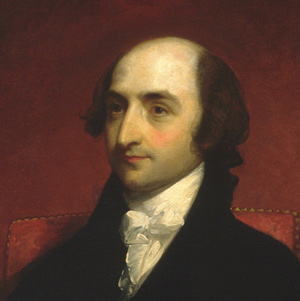
To help the Lewis and Clark expedition, Gallatin asked Nicholas King to prepare a new map of western North America incorporating the main features of nine of the most recent maps by other explorers.

OPEN


Discover More

  • The Lewis and Clark Expedition: Day by Day by Gary E. Moulton (University of Nebraska Press, 2018). The story in prose, 14 May 1804–23 September 1806.
  • The Lewis and Clark Journals: An American Epic of Discovery (abridged) by Gary E. Moulton (University of Nebraska Press, 2003). Selected journal excerpts, 14 May 1804–23 September 1806.
  • The Lewis and Clark Journals. by Gary E. Moulton (University of Nebraska Press, 1983–2001). The complete story in 13 volumes.