Kristopher Townsend
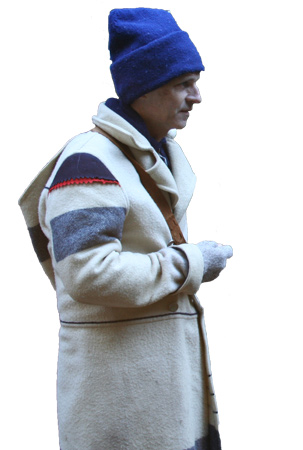
From the Pacific Northwest Living Historians at Lewis and Clark National Historic Park, Fort Clatsop.
Since 2016, Kristopher K. Townsend has been the webmaster and editor of this site, Discovering Lewis & Clark®. He has been actively photo-documenting the Lewis and Clark Trail since 1995. He attempts as closely as possible to re-create scenes as described in the journals including the same time of year, natural state, location, and weather. He has contributed numerous photos throughout the Discovering Lewis & Clark website.
Kris taught several years as a tenured instructor at Spokane Falls Community College. His courses included Internet programming and other information technology and computer science courses. During that time, he was also the series editor and an author of a popular college textbook series on Office Technology.
Shortly after the advent of the World Wide Web, he managed a web server featuring digital photos, digital video, and articles created by his Glenwood Heights Primary students. Topics included historical sites of Clark County (Washington State), wildflowers and birds of Clark County, and how-to videos for school’s physical education program.
Contributions to this Site
September 4, 1805
Meeting the Salish Flatheads
by Kristopher K. Townsend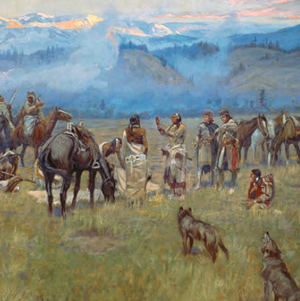
After a night atop the Lost Trail divide, the men thaw their frozen sailcloth, wrap the packs, and load the horses. They then descend to present Ross’ Hole where Flathead Salish give a warm welcome.
September 3, 1805
The Lost Trail
by Kristopher K. Townsend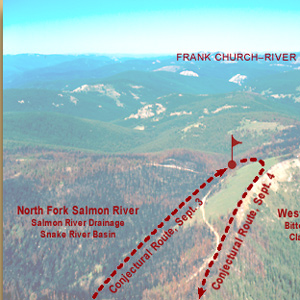
The expedition climbs the divide between the North Fork Salmon and Bitterroot Rivers near present Lost Trail Pass. In a mix of rain, snow, and sleet, they spend the night “wet hungry and cold.”
September 2, 1805
Leaving the Indian road
by Kristopher K. Townsend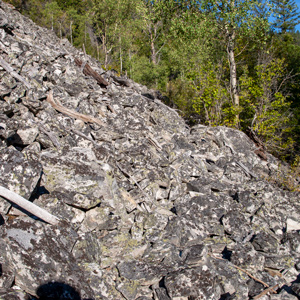
Against the advice of guide Toby, they continue up the North Fork Salmon River. Without an Indian road, they pass through thick brush, a “dismal swamp” and the horses stumble crossing rocky hillsides.
September 1, 1805
Up "Fish Creek"
by Kristopher K. Townsend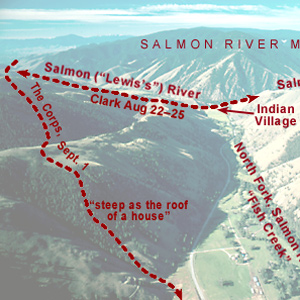
They climb out of Tower Creek where a horse rolls backwards, and York’s feet become so sore that he must ride a horse. They descend to the North Fork Salmon River where some men gig several salmon.
August 31, 1805
Leaving the Lemhi
by Kristopher K. Townsend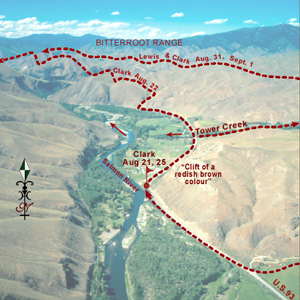
Early in the day, the expedition heads north and arrives at the last Lemhi Shoshone fishing village where Sgt. Gass has been staying. All together, they head down the Salmon River, turn up Tower Creek, and four miles later, encamp.
August 30, 1805
Leaving the Shoshones
by Kristopher K. Townsend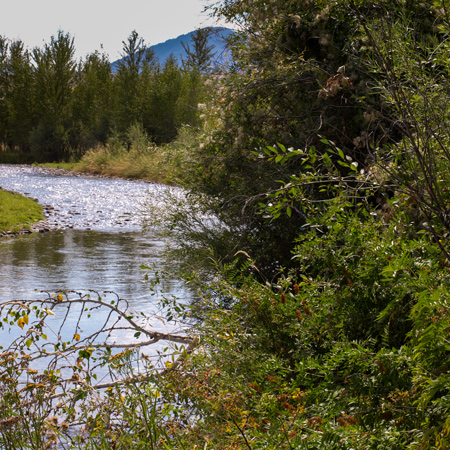
Lewis, Clark, and Toby and his sons move north down the Lemhi Valley bound for the Pacific Ocean. Most of their horses have sore backs, but they expect to arrive at the Clearwater River in ten days. Clark trades his fusil musket for horse.
August 29, 1805
Upper Village reunion
by Kristopher K. Townsend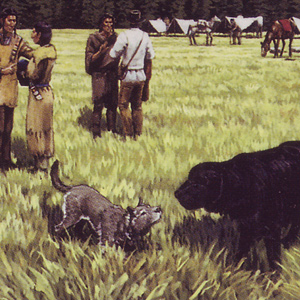
Clark travels to the Upper Lemhi Village where Lewis is trading for horses. Clark trades a pistol, 100 balls, powder, and a knife for a single horse. Sgt. Gass describes sunflower bread and how the Shoshones make fire.
August 28, 1805
An exchange of letters
by Kristopher K. Townsend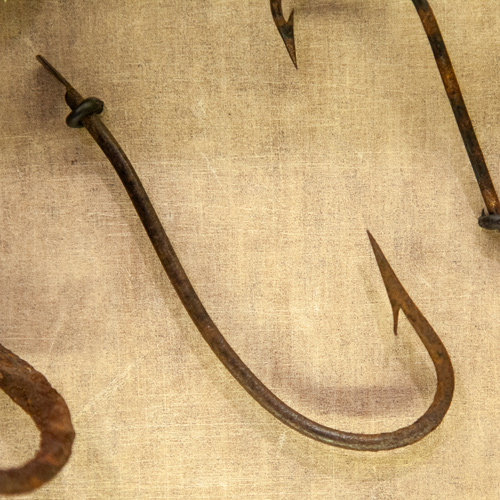
At a Shoshone village at the lower end of the Lemhi Valley, Sgt. Gass delivers a letter from Clark to Lewis who is at another village twelve miles away. Gass then returns with Lewis’s reply.
Clark trades three fishhooks for salmon roe, and he learns from Lewis’s letter that the price for the horses they need is increasing.
August 27, 1805
Flag ceremonies
by Kristopher K. Townsend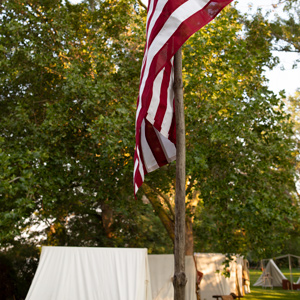
At the Upper Lemhi Valley village, the large flag is hoisted, and Lewis presents three flags to Lemhi Shoshone chiefs. With the knowledge that they must cross the Bitterroots by horse, Lewis finds that their prices have risen. The day ends with singing and dancing.
Further down the Lemhi River, Clark’s group subsists on salmon while waiting for Lewis to arrive. His men constantly complain of their ‘wretched’ situation while the Shoshones appear content with their lot.
August 26, 1805
Past the Great Divide
by Kristopher K. Townsend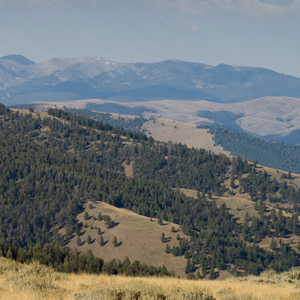
With the help of the Lemhi Shoshones, Lewis has the last of the baggage carried over the Continental Divide. At Cameawait’s village, he receives Clark’s letter with bad news about the Salmon River. He has the men dance for the amusement of the villagers, and writes his last known journal entry for the year.
Clark and his small group move up the Lemhi River camping at a small village that has some fish. He directs his men to mend their moccasins and be ready to hunt early the next morning.
In St. Louis, Commandant James Wilkinson dictates that only American traders be permitted up the Missouri and that all their trade goods be made in the United States.
August 25, 1805
A change of plans
by Kristopher K. Townsend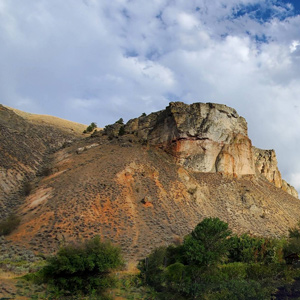
While taking the expedition’s baggage over Lemhi Pass, Charbonneau informs Lewis that he and Sacagawea will soon return home and that Cameahwait’s People will also leave without completing the portage.
On the Salmon River, Clark and his small group retrace their steps to reach their old campsite at Tower Rock. They subsist on berries and a small portion of fresh salmon.
August 24, 1805
Leaving Fortunate Camp
by Kristopher K. Townsend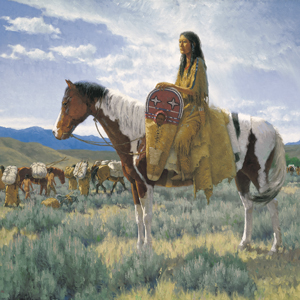
At Fortunate Camp, Lewis barters for three horses and a mule, and he gives some goods to Charbonneau so that he can buy a horse for Sacagawea. With the help of several Shoshone women, they start towards Lemhi Pass.
On the Salmon River, Clark considers three possible plans for reaching the Pacific Ocean. He sends a letter with Pvt. Colter to update Lewis, and his group heads back with nothing to eat.
August 23, 1805
The River of No Return
by Kristopher K. Townsend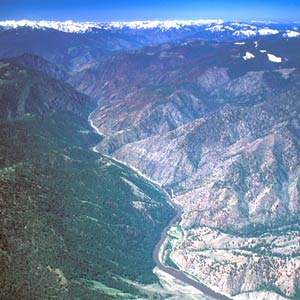
On the Salmon River, Clark and his Shoshone guide Toby, climb a mountain spur where they see the futility of canoeing the Salmon River—also known as the River of No Return.
Across the Great Divide at Fortunate Camp, Cameahwait asks Lewis to wait another day before starting the portage over the Rocky Mountains. The dugouts are sunk in a nearby pond, and in the afternoon, more Shoshone helpers arrive.
August 22, 1805
Down the Salmon
by Kristopher K. Townsend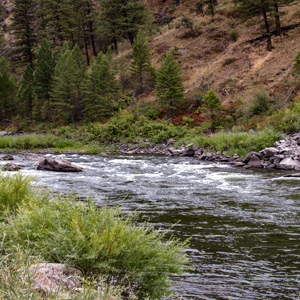
Drouillard returns to Fortunate Camp with a bag of roots that a Lemhi Shoshone family left behind, and Lewis describes the foods it holds. Midday, Cameahwait’s People arrive, and he and Lewis exchange food and horses.
Clark is on the Salmon River looking for a place to make canoes, but high hills lining the river make travel difficult. He describes Clark’s nutcracker—a bird new to science, and Sgt. Gass describes a bread made from sunflower seeds, pitseed goosefoot, and serviceberries.
August 21, 1805
Down Lewis's River
by Kristopher K. Townsend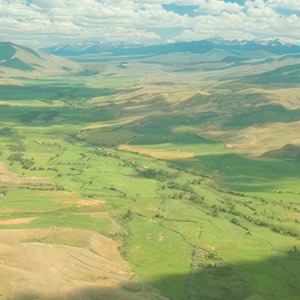
With his Lemhi Shoshone guide Toby, Clark and his small group move north along the Lemhi River. They visit a large fish weir, and Clark names the present Salmon River after Meriwether Lewis. They camp north of Salmon, Idaho.
On the other side of the great divide at Fortunate Camp, the water freezes 3/4 inches thick. The enlisted men finish the cache and pack saddles, and everyone is ready to take the remaining cargo over Lemhi Pass. When a Shoshone man takes Drouillard’s rifle, a chase ensues.
August 20, 1805
Toby shows the way
by Kristopher K. Townsend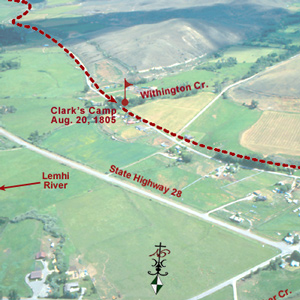
In the Lemhi River Valley, Clark is welcomed by the Lemhi Shoshones living there. He enlists Toby as a guide, and together, they head down the valley where Clark sees his first Pacific salmon. They camp near present Baker, Idaho.
At Fortunate Camp on the opposite side of the great divide, Lewis has a cache dug. He describes Shoshone clothes and has pack saddles and harnesses made.
In Washington City, house master Etienne Lemaire writes a letter to President Jefferson regarding the condition of the specimens shipped from Fort Mandan last spring.
August 19, 1805
Sacagawea's first betrothed
by Kristopher K. Townsend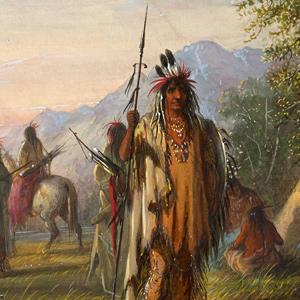
At Fortunate Camp at the end of the Beaverhead River, Lewis starts a multi-day treatise describing Lemhi Shoshone lifeways and manners. Sacagawea’s previously betrothed husband successfully extracts payment from Charbonneau, and some fishermen catch several trout and longnose suckers—a fish new to Lewis.
Clark’s group and several Shoshones cross the Continental Divide. He trades for a mule and camps on Pattee Creek in present Idaho.
August 18, 1805
Searching for a navigable river
by Kristopher K. Townsend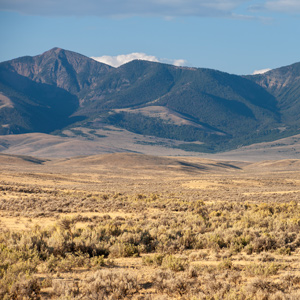
Clark, the Charbonneau family, several enlisted men, and many Lemhi Shoshone cross Shoshone Cove on their way to find a navigable branch of the Columbia River.
Remaining at Fortunate Camp, Lewis writes a melancholy meditation on his 31st birthday.
August 17, 1805
Joyous reunions
by Kristopher K. Townsend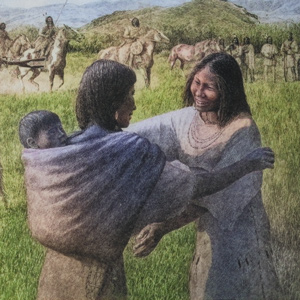
When Charbonneau and Sacagawea see Lewis and the Lemhi Shoshones, a joyous reunion begins. Cameahwait is given a medal, uniform coat, shirt, and other gifts, and he promises the use of his horses to carry the expedition’s baggage across the Continental Divide. Using a 4-language translation chain, the captains are told that the Salmon River is not navigable.
August 16, 1805
Too many worries
by Kristopher K. Townsend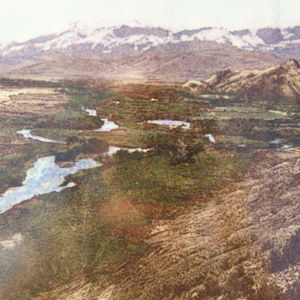
At the end of the Beaverhead River, Lewis worries about the fate of the expedition. The Shoshone People think that he is leading them into a trap. Lewis and Cameahwait switch appearances, and Lewis gives the chief his gun.
Still miles away, the enlisted men slowly move the dugouts up the shallow and swift river. Clark, Charbonneau, and Sacagawea walk the shore and gather a “great quantity” of serviceberries. By night, they are within a day’s travel of Fortunate Camp.
August 15, 1805
Reluctant Shoshone helpers
by Kristopher K. Townsend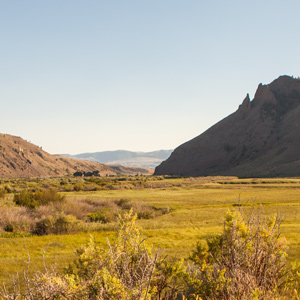
The enlisted men endure another day moving the heavy dugouts up the shallow Beaverhead River. Clark, Charbonneau, and Sacagawea walk the shore where they encounter several rattlesnakes. They encamp at present Clark’s Canyon.
In the Lemhi Valley, Lewis discovers that the Lemhi Shoshones have become suspicious of his motives and are reluctant to travel with him. Eventually, most of the village crosses Lemhi Pass. They camp in present Shoshone Cove, and everyone is hungry.
In Washington City, the Secretary of War reports on the specimens sent from Fort Mandan last spring.
August 14, 1805
Asking for Shoshone help
by Kristopher K. Townsend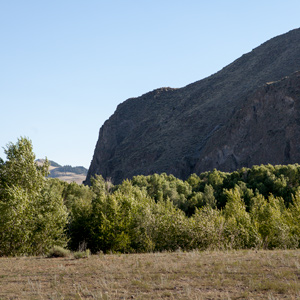
Passing the Rattlesnake Cliffs near the end of the Beaverhead River, the enlisted men ache from having to haul the heavy dugouts over rocks. When Charbonneau strikes Sacagawea, he receives a reprimand from Clark.
At a village on the Lemhi River, Lewis asks the Shoshones to help bring the expedition’s baggage over the Continental Divide. George Drouillard interprets using Plains Sign Language.
August 13, 1805
Shoshone diplomacy
by Kristopher K. Townsend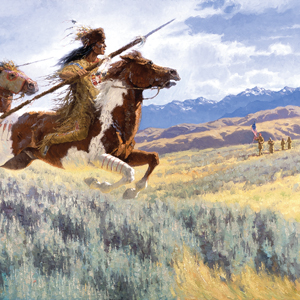
Lewis and some Lemhi Shoshones finally meet in the Lemhi River valley. Diplomatic gestures include Shoshone-style greetings, a flag presentation, a pipe ceremony, and revelry late into the night.
On the Beaverhead River, the enlisted men labor to move the heavy dugouts up the shallow river. To rest, they fish the river. Clark takes bearings from a rock now called Clark’s Lookout.
August 12, 1805
Across the divide
by Kristopher K. Townsend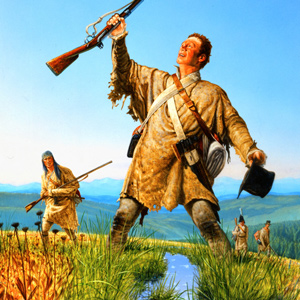
Lewis’s small detachment crosses the Continental Divide and enters present Idaho. Pvt. McNeal bestrides the “mighty & heretofore deemed endless Missouri” and they see many more mountains that the expedition will need to cross.
On the Beaverhead River, the enlisted men complain about the near-impossible task of dragging the heavy dugout canoes up the shallow and rapid river.
In Washington City, Thomas Jefferson’s house master receives a barrel, four boxes, and the live prairie dog shipped from Fort Mandan last spring.
August 11, 1805
First Shoshone encounter
by Kristopher K. Townsend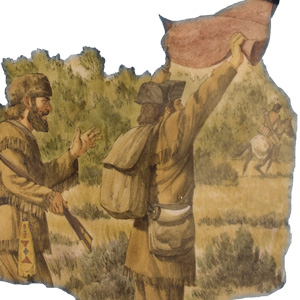
After weeks of searching for the Lemhi Shoshones, Lewis sees a warrior. He waves a red blanket to signal that he would like to talk to the man, but he is unsuccessful.
Several miles down the Beaverhead River, the enlisted men move the dugouts past an island that Clark estimates is 3000 miles from St. Louis.
August 10, 1805
End of the navigable river
by Kristopher K. Townsend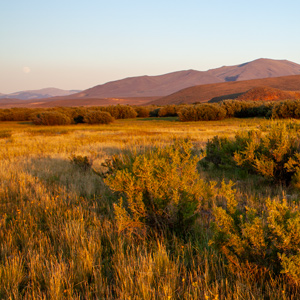
Lewis and his scouts reach the end of the Beaverhead River and then explore two ‘Indian roads’ to determine which one will lead to the Shoshones.
Several miles downriver, Clark and the enlisted men manage to move the heavy dugouts 13 river miles, but because of river bends, they move only four land miles to the south.
In St. Louis, the Native American delegates sent there on the expedition’s barge wait for permission to continue to Washington City.
August 9, 1805
Lewis sets out
by Kristopher K. Townsend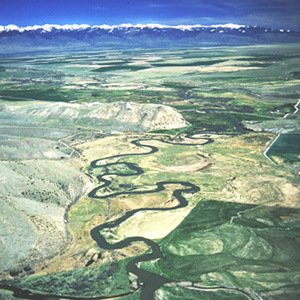
On the Beaverhead River, Lewis and three others set out by land to find Shoshones and their horses. Before leaving, he catches up on his writing lest he fails to return.
With Clark, the enlisted men struggle to move the dugouts up an increasingly shallow and winding river. Pvt. Shannon finally returns from his accidentally extended hunting trip up the Big Hole River.
Elsewhere, U.S. Army explorer Zebulon Pike leaves St. Louis to begin his exploration of the Upper Mississippi River.
August 8, 1805
The "Beaver's Head"
by Kristopher K. Townsend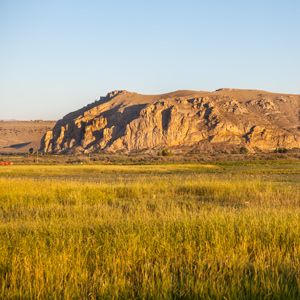
Moving the dugout canoes up the crooked Beaverhead River, Sacagawea recognizes “the beaver’s head” and informs the captains that the summer home of her people—the Lemhi Shoshones—is not far ahead. Lewis collects seeds from local grasses resembling hay, and Pvt. Shannon is still missing.
August 7, 1805
Up the Beaverhead
by Kristopher K. Townsend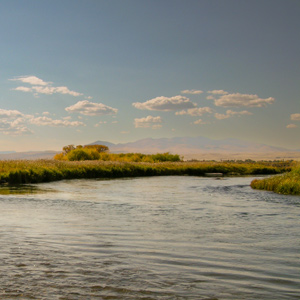
Recovering at the forks of the Jefferson River, wet goods are set out to dry, Lewis puts his air gun in working order, and one of the dugouts is abandoned. Pvt. Shannon is still missing, and biting flies annoy everyone. In the afternoon, they start up the Beaverhead River.
August 6, 1805
Down the Big Hole
by Kristopher K. Townsend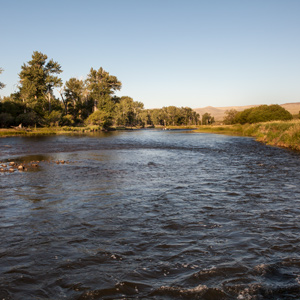
On the Big Hole River, Clark learns that he is on the wrong river and turns the dugouts around—and Pvt. Whitehouse is nearly crushed by a pirogue. Everyone—except Pvt. Shannon who is out hunting—camps at the forks of the Jefferson River to dry items and recover from the episode.
August 5, 1805
Up the wrong river
by Kristopher K. Townsend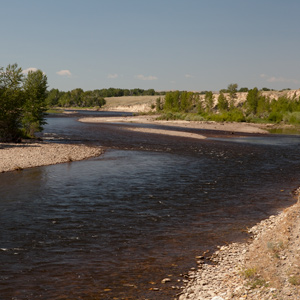
At the forks of the Jefferson River, Clark fails to see a note left by Lewis, and he chooses the wrong river. Moving the boats becomes nearly impossible, and the enlisted men implore Clark to abandon the dugouts.
Much farther up the Big Hole River, Lewis and Drouillard try to find Shoshones and their horses.
August 4, 1805
Extreme labor and fatigue
by Kristopher K. Townsend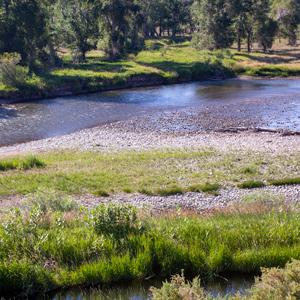
The enlisted men labor to move the dugouts up the shallow and swift Jefferson River. Looking for Shoshones several miles ahead, Lewis ponders the three forks of the Jefferson. He leaves a note for Clark to go up the present Beaverhead and then explores the Big Hole River. Charbonneau has difficulty keeping up with Lewis and Drouillard.
August 3, 1805
The Jefferson forks
by Kristopher K. Townsend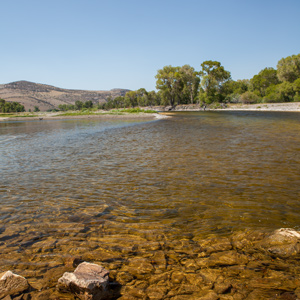
Lewis’s scouting detachment departs before sunrise, has breakfast at midday, and then scouts for Shoshones until nightfall. The trees ahead indicate that the already shallow Jefferson River will soon fork.
Several miles behind Lewis, Clark and the enlisted men tow and walk the dugouts up the cold Jefferson River.
In New Orleans, William Claiborne has shipped the Fort Mandan specimens to Baltimore aboard the Comet.
August 2, 1805
A bountiful valley
by Kristopher K. Townsend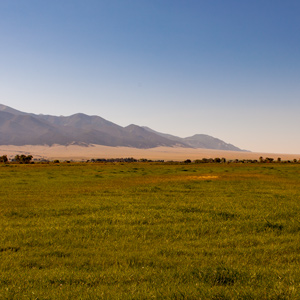
Seeking Shoshones, Lewis’s small group makes about twenty-four miles up the Jefferson River. They see large beaver dams and feast on ripe berries. Behind Lewis, the dugouts are towed against a strong current. Clark sees many rattlesnakes and suspects one may have bitten his ankle.
August 1, 1805
The third mountain gate
by Kristopher K. Townsend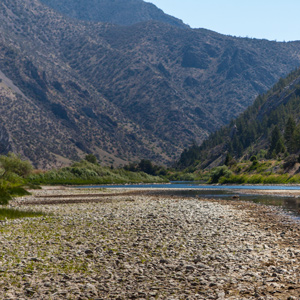
Clark commandeers the dugout canoes through the Jefferson Canyon, the third of his mountain gates. Lewis and three others scout ahead searching for Shoshones. He also describes two birds new to science. Pvt. Whitehouse loses his pipe tomahawk and to celebrate Clark’s birthday, a little flour is given to the messes.
July 31, 1805
A lack of frugality
by Kristopher K. Townsend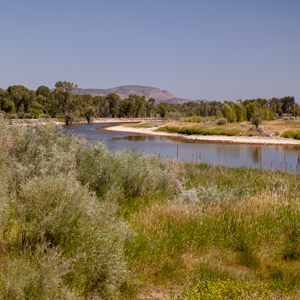
After spending the night alone, Lewis impatiently waits for Clark and the dugouts. They all breakfast together and then continue up the Jefferson River. Regarding the enlisted men’s appetites, Lewis laments their lack of frugality. Evening camp is near present Sappington, Montana.
July 30, 1805
Sacagawea captured
by Kristopher K. Townsend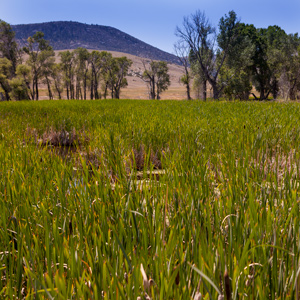
After leaving the headwaters of the Missouri, Lewis scouts ahead while Clark and the enlisted men move the dugouts up the Jefferson River. They pass the place where Sacagawea was captured as a child, and both groups camp near Willow Creek.
In St. Louis, fellow Western explorer Zebulon M. Pike is given instructions to explore the upper Mississippi River.
July 29, 1805
Headwaters observations
by Kristopher K. Townsend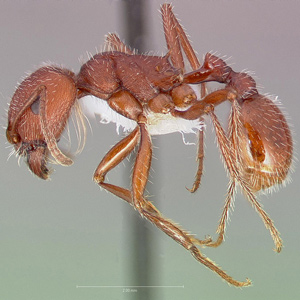
At the headwaters of the Missouri near present Three Forks, Montana, the tired enlisted men hunt, make leather, and sew new clothes. Lewis takes celestial observations, describes the local ants, and plays with a young sandhill crane. Clark’s health improves.
July 28, 1805
Sacagawea's capture
by Kristopher K. Townsend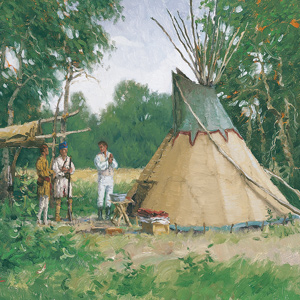
At the headwaters of the Missouri, the expedition takes a rest day. The captains learn of Sacagawea’s capture as a young child, and Lewis remarks on how she “would be perfectly content anywhere”. A shade bower is built for Clark, and Pvt. Whitehouse is busy making clothes for the party.
In a lengthy report to Thomas Jefferson, James Wilkinson discusses the new Indian factory at Camp Belle Fontaine and encourages the President to allow Pierre Chouteau to take Native delegations to Washington City.
July 27, 1805
Naming the three forks
by Kristopher K. Townsend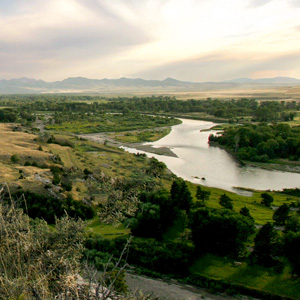
With the canoes, Lewis reaches the Headwaters of the Missouri and decides to stop to take celestial observations and rest the enlisted men. Clark and his small group explore the Madison River and returns to the headwaters. Together again, the captains name the three rivers Jefferson, Madison, and Gallatin.
July 26, 1805
Charbonneau nearly drowns
by Kristopher K. Townsend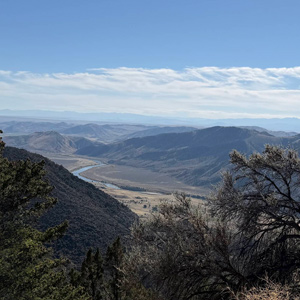
Above the Missouri River headwaters, Clark and two others climb a mountain to survey the Jefferson River. While crossing that river, Clark saves Charbonneau from drowning.
On the Missouri River several miles to the north, Lewis and the main party work the boats past “Howard” Creek where they suffer from barbed grass and prickly pears. Even Seaman is “in a rack of pain.”
July 25, 1805
End of the Missouri
by Kristopher K. Townsend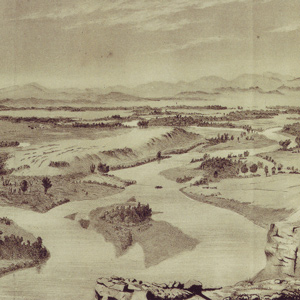
Early in the day, Clark reaches the headwaters of the Missouri—also called the three forks. He leaves a note for Lewis, who is several miles behind with the dugouts. Lewis describes the speed of pronghorns, and Clark explores what the captains would soon name the Jefferson River.
July 24, 1805
Crimson Bluffs
by Kristopher K. Townsend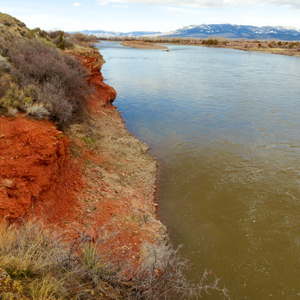
Near Townsend, Montana, Lewis describes the great fatigues and discomforts of the enlisted men as they tow and pole the canoes against the current. They pass the Crimson Bluffs, Lewis complains of a “trio of pests”, and Sacagawea assures Lewis that the river will remain navigable. They encounter brown and black snakes and camp at Yorks Islands.
Ahead of the boats near the three forks of the Missouri, Clark sees hills “fallen half down & turned Side up-wards”. His small group camps near present Clarkston, Montana.
July 23, 1805
Signaling the Shoshone
by Kristopher K. Townsend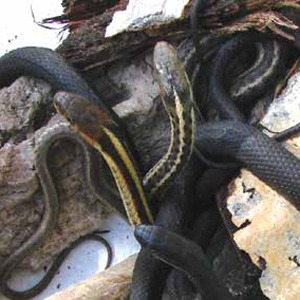
Nearing present Townsend, Montana, Lewis commandeers the enlisted men as they move the boats up the swift Missouri River. He sees black garter snakes and hoists a flag on each canoe to signal any nearby Shoshones.
Ahead of the boats, Clark searches for Shoshones, fails to find any, and camps near present Toston.
In New Orleans, the Louisiana governor writes a letter regarding the shipment of the Fort Mandan specimens to Baltimore.
July 22, 1805
Sacagawea's recognition
by Kristopher K. Townsend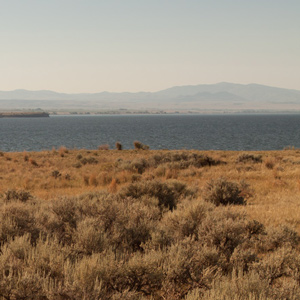
In present Helena Valley, the enlisted men have an exceptionally difficult day towing and poling the canoes against the Missouri current. While waiting for the boats, Lewis dives into the river to retrieve a wounded river otter. Everyone is encouraged when Sacagawea recognizes the area.
July 21, 1805
Slow and laborious
by Kristopher K. Townsend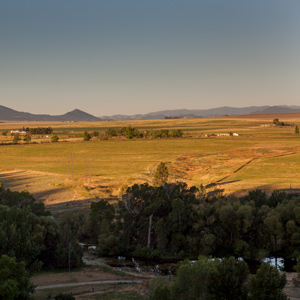
In present Helena Valley, Clark’s group scouts ahead in search of Shoshones. His party’s feet are so bruised and cut they must come back to the river and wait for Lewis. The enlisted men move the boats 15 miles up the Missouri, and Seaman catches several geese.
July 20, 1805
Smoke signals
by Kristopher K. Townsend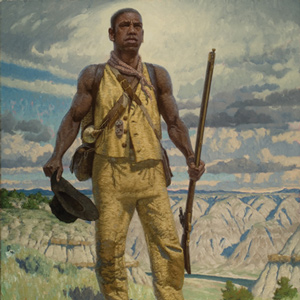
Passing through the present Helena valley ahead of the boats, Clark sees smoke—likely Indians warning others of their presence. Clark’s feet are blistered, and York is “nearly tired out”. Lewis—with the boats—names a creek after Pvt. Potts and at camp, they have scarcely room to lay among the prickly pears.
July 19, 1805
Gates of the Mountains
by Kristopher K. Townsend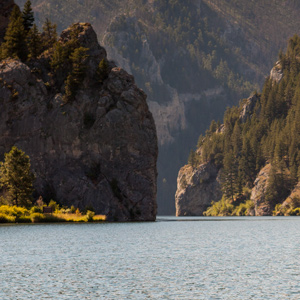
Lewis takes the dugouts through the “gates of the rocky mountains” with the “the most remarkable clifts” they have yet seen. Clark continues on an Indian road that leads to the present Helena valley. He sees peeled trees and other signs of activity, but he does not find any Shoshones. By the light of his campfire, he removes 17 prickly pear spines from his sore feet.
July 18, 1805
Lewis's blue flax
by Kristopher K. Townsend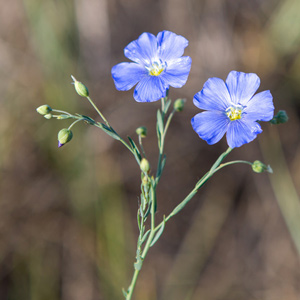
Clark, York, and Pvts. Joseph Field and Potts follow a well-traveled Indian road trying to find Shoshones. With the canoes, Lewis passes the Dearborn River and comments on blue flax—one of his namesake species. Camp is in the area of present Holter Lake, Montana.
July 17, 1805
Climbing Pine Tree Rapids
by Kristopher K. Townsend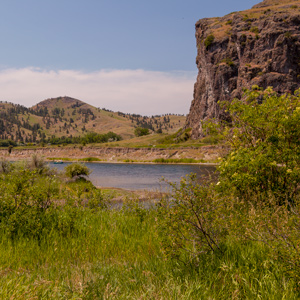
South of present Cascade, Montana, the dugouts are emptied of heavier items that can be carried around the eastern side of Tower Rock. The lightened boats are then towed up Pine Tree Rapids. They continue through a canyon with dark rock cliffs, currants, and serviceberries, and after eleven miles, they camp near the Dearborn River.
Experience the Lewis and Clark Trail
The Lewis and Clark Trail Experience—our sister site at lewisandclark.travel—connects the world to people and places on the Lewis and Clark Trail.
Discover More
- The Lewis and Clark Expedition: Day by Day by Gary E. Moulton (University of Nebraska Press, 2018). The story in prose, 14 May 1804–23 September 1806.
- The Lewis and Clark Journals: An American Epic of Discovery (abridged) by Gary E. Moulton (University of Nebraska Press, 2003). Selected journal excerpts, 14 May 1804–23 September 1806.
- The Lewis and Clark Journals. by Gary E. Moulton (University of Nebraska Press, 1983–2001). The complete story in 13 volumes.
This site is provided as a public service by the
Lewis and Clark Trail Alliance
with additional funding from the following: