Kristopher Townsend
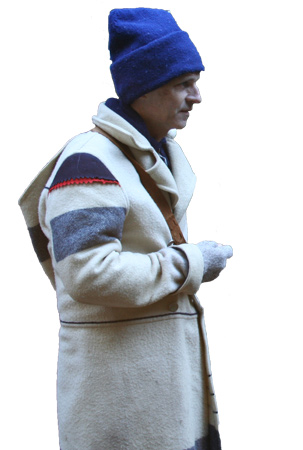
From the Pacific Northwest Living Historians at Lewis and Clark National Historic Park, Fort Clatsop.
Since 2016, Kristopher K. Townsend has been the webmaster and editor of this site, Discovering Lewis & Clark®. He has been actively photo-documenting the Lewis and Clark Trail since 1995. He attempts as closely as possible to re-create scenes as described in the journals including the same time of year, natural state, location, and weather. He has contributed numerous photos throughout the Discovering Lewis & Clark website.
Kris taught several years as a tenured instructor at Spokane Falls Community College. His courses included Internet programming and other information technology and computer science courses. During that time, he was also the series editor and an author of a popular college textbook series on Office Technology.
Shortly after the advent of the World Wide Web, he managed a web server featuring digital photos, digital video, and articles created by his Glenwood Heights Primary students. Topics included historical sites of Clark County (Washington State), wildflowers and birds of Clark County, and how-to videos for school’s physical education program.
Contributions to this Site
October 24, 1805
Running the Short Narrows
by Kristopher K. Townsend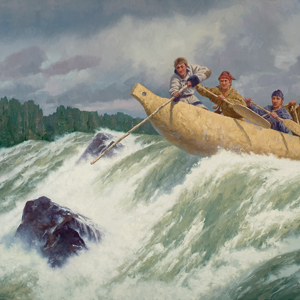
The dugout canoes are safely run down the Short Narrows of the Columbia astonishing the local onlookers. Below the narrows, the expedition encounters their first Chinookan-speaking People.
October 23, 1805
Lining Horseshoe Bend
by Kristopher K. Townsend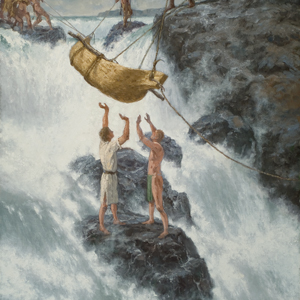
The men line the heavy dugout canoes down the Horseshoe Bend of Celilo Falls while Lewis trades their smallest dugout, a hatchet, and a few trinkets for a Chinook-style canoe. Clark shoots at a sea otter.
October 22, 1805
Falls of the Columbia
by Kristopher K. Townsend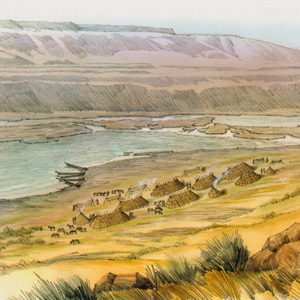
The expedition arrives at the Falls of the Columbia. With the help of some Wishram villagers, they portage their baggage along the northern shore. Others scout the channel that the canoes will navigate.
October 21, 1805
Columbia River rapids
by Kristopher K. Townsend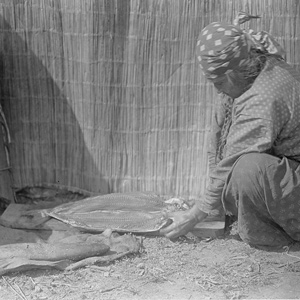
Moving down the Columbia above present John Day Dam, the paddlers navigate several rapids while the non-swimmers walk around them. Pvt. Collins shares his camas-brewed beer, and Mt. Hood is in view.
October 20, 1805
Choked with rocks
by Kristopher K. Townsend
After a breakfast of dog and a smoke with the Umatillas, the canoes disembark down the Columbia River which is crowded with large rocks and rapids. They notice items from ocean going trade ships.
October 19, 1805
Frightened Umatillas
by Kristopher K. Townsend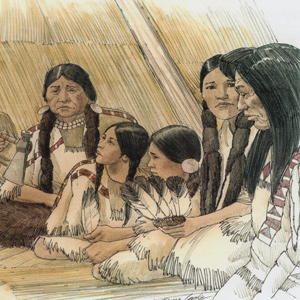
After passing Hat Rock in the Wallula Gap, Clark frightens several Umatillas who—after seeing Sacagawea—learn he is not part of a war party. The day ends with mutual smoking and fiddle music.
October 18, 1805
Down the Columbia
by Kristopher K. Townsend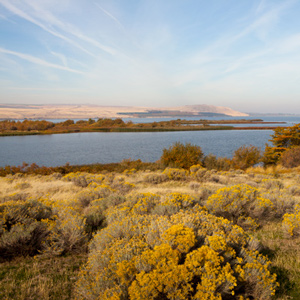
At the mouth of the Snake, the captains council with the Wanapums and Yakamas. Late in the day, the expedition heads down the Columbia and camps below the Twin Sisters in Wallula Gap.
October 17, 1805
Snake and Columbia observations
by Kristopher K. Townsend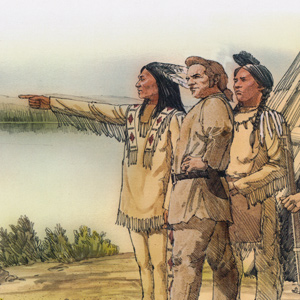
At the confluence of the Columbia and Snake rivers, Lewis takes a Wanapum vocabulary, and hunters are sent out to collect sage grouse specimens. Clark explores the Yakima River.
October 16, 1805
A musical welcome
by Kristopher K. Townsend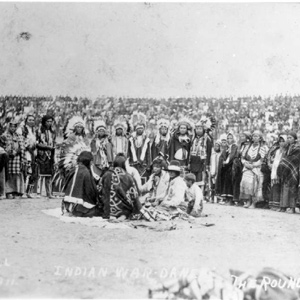
The paddlers negotiate the last of the Snake River rapids and the expedition arrives at the Columbia River. Soon after, they are given a musical welcome from a large group of Yakamas and Wanapums.
October 15, 1805
Snake River rapids
by Kristopher K. Townsend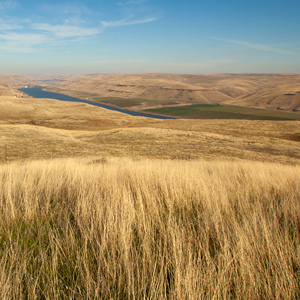
The first half of the day is spent drying items while the hunters and Lewis explore the high plains above the Snake River. They continue through several difficult rapids and camp above yet another rapid.
October 14, 1805
'Ship Rock'
by Kristopher K. Townsend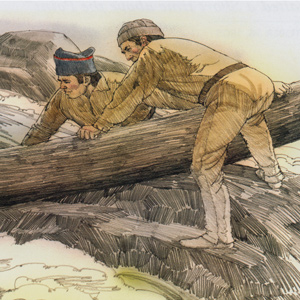
After passing a ‘ship rock’—Monumental Rock on the Snake River in Washington—Sgt. Ordway‘s canoe gets stuck on a rock and fills with water. They stop for the day and begin drying wet items.
October 13, 1805
Fast water
by Kristopher K. Townsend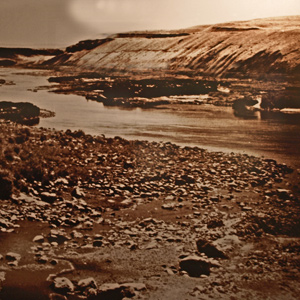
To start the day, the non-swimmers portage rifles and scientific equipment while the boatmen navigate a long Snake River rapid. Late in the day, they run a two-mile rapid which “ran like a mill race.” Sacagawea “reconsiles all the Indians”.
October 12, 1805
Snake River rapids
by Kristopher K. Townsend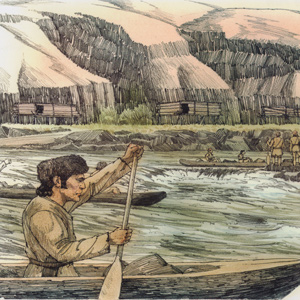
The paddlers make about thirty miles down the Snake River in present Washington. Sgt. Gass describes the Palouse villages they pass, and they have difficulty finding firewood.
October 11, 1805
Down the Snake River
by Kristopher K. Townsend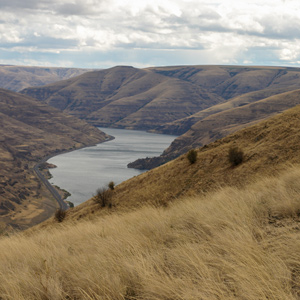
Between present Clarkston and Almota, Washington, the paddlers navigate numerous Snake River rapids where the Nez Perce and Palouse have established fisheries. The captains notice a curious sweat lodge.
October 10, 1805
Clearwater and Snake confluence
by Kristopher K. Townsend
The paddlers navigate several rapids, and one canoe is damaged when it hits a rock. By day’s end, they reach the confluence of the Snake and Clearwater rivers at present Clarkston, Washington.
October 9, 1805
Drying out at Colters Creek
by Kristopher K. Townsend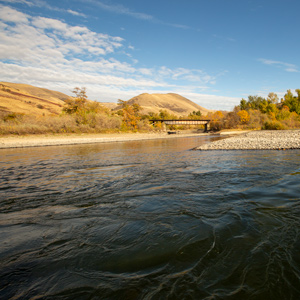
Below the mouth of Colter’s Creek—present Potlatch River—the expedition dries items and repairs a canoe damaged yesterday. Shoshone guides Toby and his son leave unexpectedly. The day ends with a dance.
October 8, 1805
A canoe accident
by Kristopher K. Townsend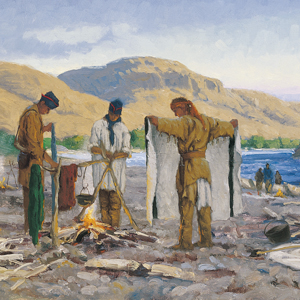
On the Clearwater River, the paddlers navigate numerous rapids and pick up guides Twisted Hair and Tetoharsky. After a canoe accident at Colter’s Creek—present Potlatch River—travel abruptly stops.
October 7, 1805
Down the Clearwater
by Kristopher K. Townsend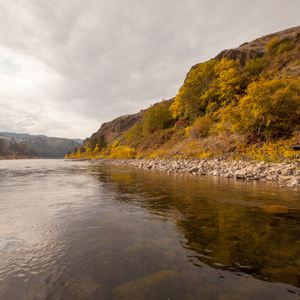
After a busy day, thirty-three expedition members, Lewis’s dog, Seaman, and the two Lemhi Shoshone guides start down the Clearwater in their five new dugout canoes. Challenging rapids test their skills.
October 6, 1805
Ready for departure
by Kristopher K. Townsend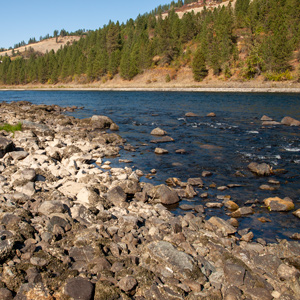
By the end of this day below present Orofino, Idaho, all the canoes are ready to head down the “Kos kos kee”—the present Clearwater River. After dark, they bury their saddles and some ammunition.
October 5, 1805
Two Nez Perce guides
by Kristopher K. Townsend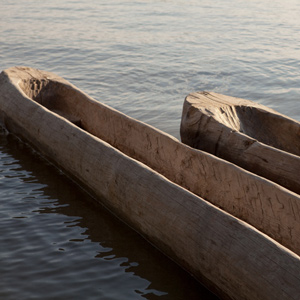
At Clearwater Canoe Camp, two new dugouts are put in the water. The horses are rounded up, branded, and given to Nez Perce caretakers, and two guides volunteer to take them down the river.
October 4, 1805
Dried fish and roots
by Kristopher K. Townsend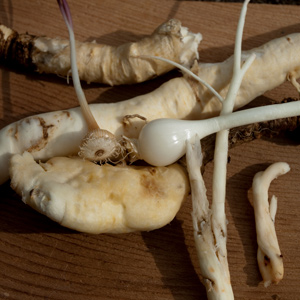
Lewis can finally “walk about a little” at Clearwater Canoe Camp near present Orofino, Idaho. The enlisted men tire of their diet of roots, and a disgruntled Nez Perce man helps himself to some tobacco.
October 3, 1805
Canoes nearly finished
by Kristopher K. Townsend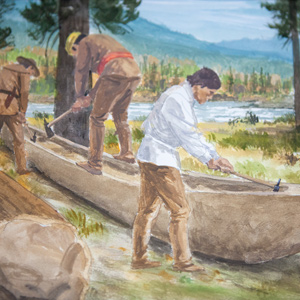
At Clearwater Canoe Camp near present Orofino, Idaho, the canoe builders—refreshed by yesterday’s horse beef—work to finish the five dugout canoes. Two are nearly ready.
October 2, 1805
Hungry canoe builders
by Kristopher K. Townsend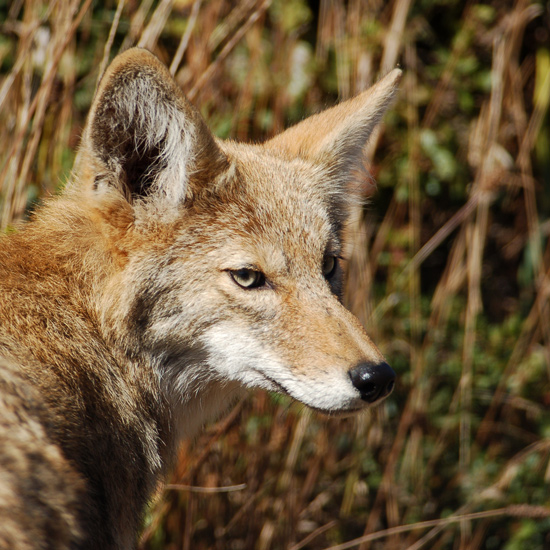
As they build dugout canoes near present Orofino, Idaho, acquiring food is a problem. They eat a coyote and a horse, and Pvts. Frazer and Goodrich are sent to the Nez Perce village to trade for food.
October 1, 1805
The Nez Perce method
by Kristopher K. Townsend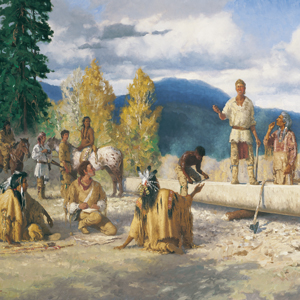
At Clearwater Canoe Camp near present Orofino, Idaho, the men employ the Nez Perce method of hollowing out dugout canoes with fire. Lewis adds a specimen of ponderosa pine to his plant collection.
September 30, 1805
Slow progress
by Kristopher K. Townsend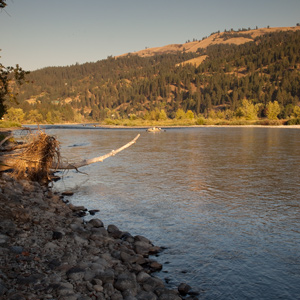
At Clearwater Canoe Camp near present Orofino, Idaho, all but one hunter and two sick men are able to work on the five canoes. Progress remains slow. Clark records celestial observations.
September 29, 1805
Fresh deer and salmon
by Kristopher K. Townsend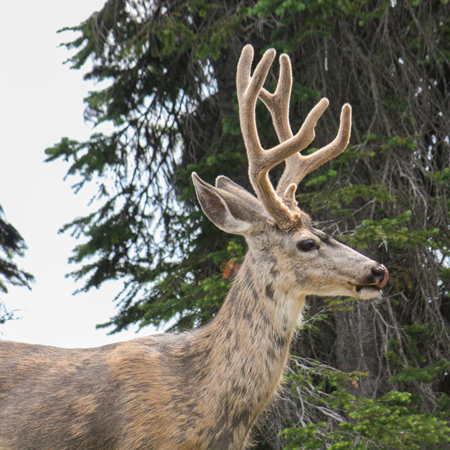
At Clearwater Canoe Camp near present Orofino, Idaho, most of the men have bowel and stomach problems. Those who can, work on the dugout canoes. George Drouillard and Pvt. Colter bring in three deer, and local Nez Perce trade fresh salmon—both a welcome change in diet.
September 28, 1805
Paddles and canoes
by Kristopher K. Townsend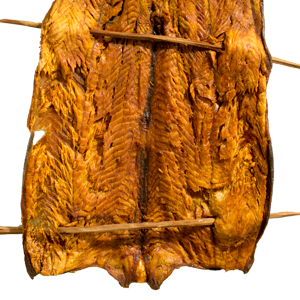
At the Clearwater River Canoe Camp near present Orofino, Idaho, those who are not too sick to work are busy making canoes and carving paddles. The men complain about their diet of dried salmon and Native roots.
September 27, 1805
Falling trees for canoes
by Kristopher K. Townsend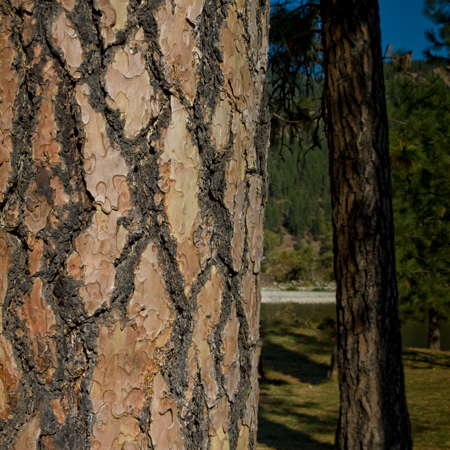
At the Clearwater River Canoe Camp near present Orofino, Idaho, work parties chop down five large ponderosa pine trees and canoe-building begins. Pvt. Colter returns having found one of the two horses lost on the Northern Nez Perce Trail. Lewis adds the cut-leaved daisy to his plant collection.
September 26, 1805
The Clearwater Canoe Camp
by Kristopher K. Townsend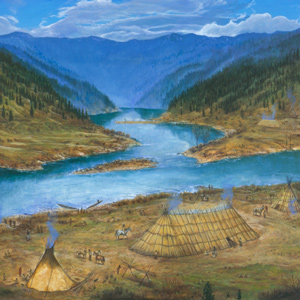
The expedition moves down the Clearwater River to their canoe camp across from the Nez Perce village of Ahsahka. Their axes are not the right type for building canoes, and several men are sick.
September 25, 1805
Searching for a canoe camp
by Kristopher K. Townsend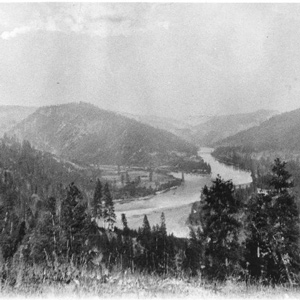
Clark and three Nez Perce travel down the Clearwater River searching for a canoe camp. Clark finds the ponderosa pine trees they need opposite the North Fork Clearwater River in present Orofino, Idaho.
September 24, 1805
Down to the Clearwater
by Kristopher K. Townsend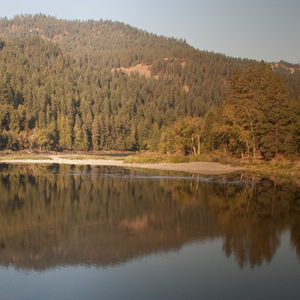
Men round up scattered horses, and the entire corps travels from Weippe Prairie to the Clearwater River. Several men are so sick they can barely ride. They set up camp on a small island.
September 23, 1805
Nez Perce council
by Kristopher K. Townsend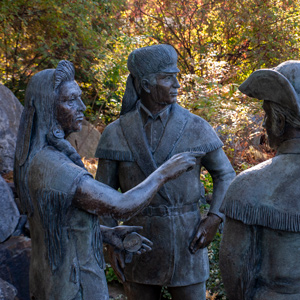
At the Weippe Prairie Villages, the captains hold their first Nez Perce council with a message of “peace and good understanding”, and trading commences. Lewis and two others are sick.
September 22, 1805
Bitterroot Mountain triumph
by Kristopher K. Townsend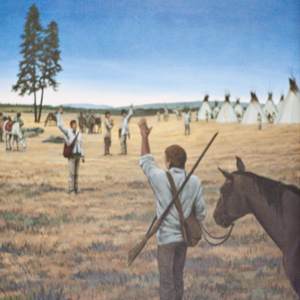
Lewis and the main party arrive at the Weippe Prairie villages “having tryumphed over the rocky Mountains”. Clark and Twisted Hair climb up from the Clearwater River and the two captains unite.
September 21, 1805
The main party struggles
by Kristopher K. Townsend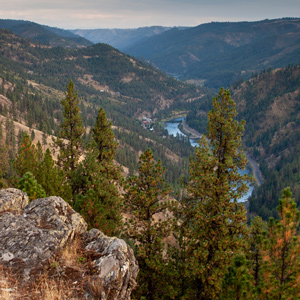
Still on the Northern Nez Perce Trail, Lewis and several of the men find themselves “growing weak for the want of food”. Ahead, Clark descends from Weippe Prairie and visits Twisted Hair’s fishing camp.
September 20, 1805
Weippe welcome
by Kristopher K. Townsend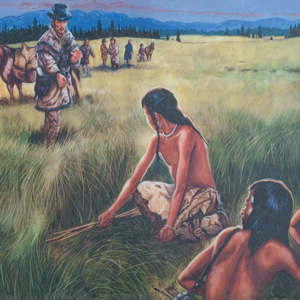
Clark’s party reaches the Weippe Prairie Villages where Nez Perce women are gathering and baking camas bulbs. The main party camps on a small divide between Hungery Creek and the Lolo Creek drainage.
September 19, 1805
Spirit revival
by Kristopher K. Townsend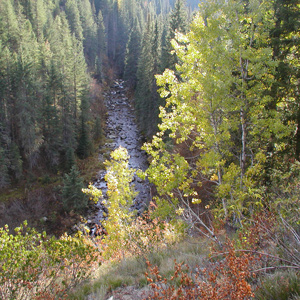
On the Northern Nez Perce Trail, Lewis and the main party see the plains from Spirit Revival Ridge and descend to Hungery Creek. Clark’s advance group kills a stray Indian horse and proceeds on.
September 18, 1805
Hunger
by Kristopher K. Townsend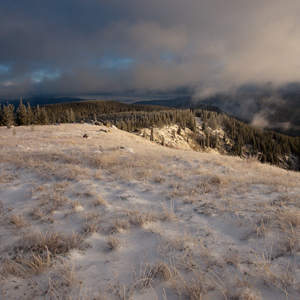
The expedition struggles on the Northern Nez Perce Trail. Clark and 5 hunters drop down to Hungery Creek. Far behind, the main group must add 20 pounds of candles and bear oil to their portable soup.
September 17, 1805
High knobs and drains
by Kristopher K. Townsend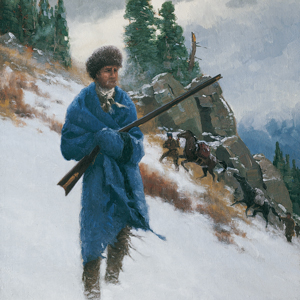
By the time the horses are found, snow is falling and the day is half over. Moving west along the Northern Nez Perce Trail, the pack train climbs high knobs and passes a “Sinque hole” before camping.
September 16, 1805
Most terrible mountains
by Kristopher K. Townsend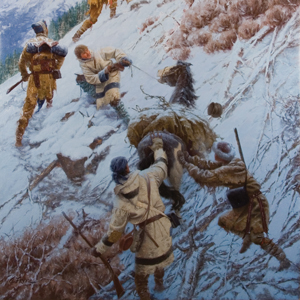
On the Northern Nez Perce Trail, overnight snow makes for a miserable day in the “most terrible mountains”. Wet and cold as ever, Clark moves ahead to make warming fires in a lonesome cove.
September 15, 1805
Up to Snowbank Camp
by Kristopher K. Townsend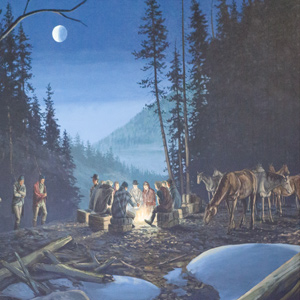
The corps travels down the Lochsa River and then takes a steep trail to return to the Northern Nez Perce Trail. On the climb, several horses slip and roll. They camp in an area with banks of old snow.
September 14, 1805
Colt Killed Creek
by Kristopher K. Townsend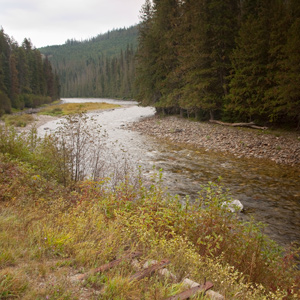
Leaving Glade Creek, the expedition soon leaves the Northern Nez Perce Trail. Having no meat, Lewis issues portable soup but ends up killing a colt. They continue to a small island in the Lochsa River.
September 13, 1805
Up to Packer Meadows
by Kristopher K. Townsend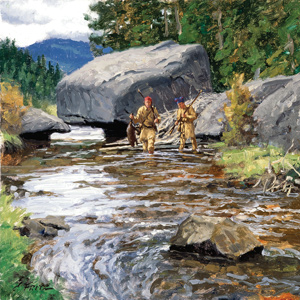
On the Northern Nez Perce Trail, the expedition stops at Lolo Hot Springs, and then after some difficulty finding the right trail, climbs the divide between the Bitterroot and Lochsa River drainages.
September 12, 1805
Intolerable road
by Kristopher K. Townsend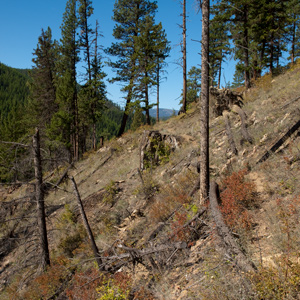
Moving up the Northern Nez Perce Trail, the “intolerable road” clings to steep hillsides above Lolo Creek in present Montana. The travelers camp at a small site without grass for their horses.
September 11, 1805
The Northern Nez Perce Trail
by Kristopher K. Townsend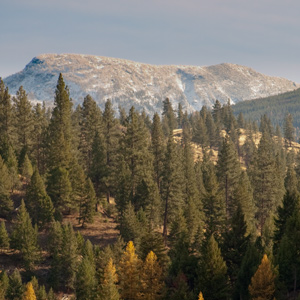
After looking for stray horses, the expedition heads up the Indian trail that follows Lolo Creek. They come across a painted tree and stay at a site where the ponderosa bark has been stripped for food.
September 10, 1805
The travelers rest
by Kristopher K. Townsend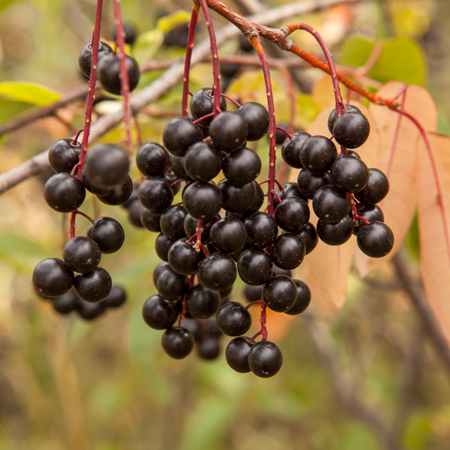
From Travelers’ Rest, hunters disperse in many directions. Pvt. Colter brings three Indians to camp, and the captains learn about the Northern Nez Perce Trail that will take them to the Clearwater River.
September 9, 1805
Travelers' Rest
by Kristopher K. Townsend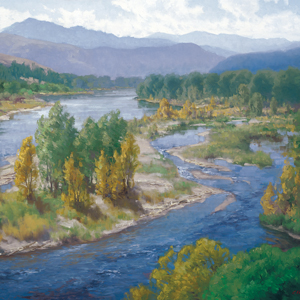
The expedition reaches Travelers’ Rest, a well-used camping area near present Lolo, Montana. Their guide, Toby, tells them about the Road to the Buffalo—a good pass heading east to the Missouri River.
September 8, 1805
Mountains to the left and right
by Kristopher K. Townsend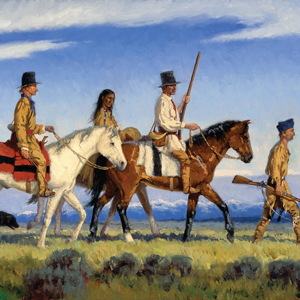
The expedition proceeds north through the Bitterroot valley with the snow-capped Bitterroot Mountains to the west and the mostly barren Sapphire mountains to the east. They find two Indian horses and a colt. They also find a new pest—brittle prickly pears.
In St. Louis, the Governor of Upper St. Louis, James Wilkinson, plans expeditions to the Yellowstone River and Sante Fe.
At Monticello in Virginia, President Jefferson writes about the mineral specimens that Lewis sent from Fort Mandan.
September 7, 1805
Down the Bitterroot River
by Kristopher K. Townsend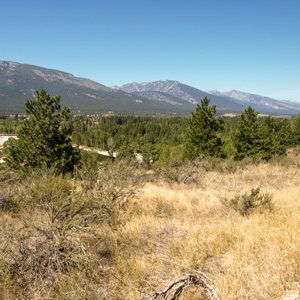
The expedition moves north into the Bitterroot River valley passing the confluence of the east and west forks. Everybody is hungry, and Pvt. Whitehouse expresses relief when hunters bring in two deer.
September 6, 1805
To the Bitterroot River
by Kristopher K. Townsend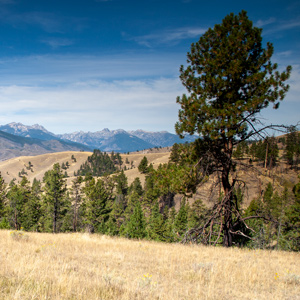
Taking their leave of the Flathead Salish, the expedition climbs Sula Peak to reach the East Fork of the Bitterroot River. At supper, the hungry members share some parched corn, berries, and two grouse.
September 5, 1805
Flathead Salish council
by Kristopher K. Townsend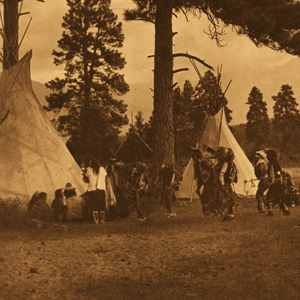
At present Ross’ Hole, Montana, a council with the Flathead Salish is held using five different languages: Salish-Shoshone–Hidatsa–French–English. Gifts are exchanged, and then horse-trading commences.
Experience the Lewis and Clark Trail
The Lewis and Clark Trail Experience—our sister site at lewisandclark.travel—connects the world to people and places on the Lewis and Clark Trail.
Discover More
- The Lewis and Clark Expedition: Day by Day by Gary E. Moulton (University of Nebraska Press, 2018). The story in prose, 14 May 1804–23 September 1806.
- The Lewis and Clark Journals: An American Epic of Discovery (abridged) by Gary E. Moulton (University of Nebraska Press, 2003). Selected journal excerpts, 14 May 1804–23 September 1806.
- The Lewis and Clark Journals. by Gary E. Moulton (University of Nebraska Press, 1983–2001). The complete story in 13 volumes.
This site is provided as a public service by the
Lewis and Clark Trail Alliance
with additional funding from the following: