Coyote was coming. He came to Gōt’a’t. There he met a heavy surf. He was afraid that he might be drifted away and went up to the spruce trees. He stayed there a long time. Then be took some sand and threw it upon that surf: ”This shall be a prairie and no surf. The future generations shall walk on this prairie. Thus Clatsop became a prairie. The surf became a prairie.
At Niā’xaqcē a creek originated. He went and built a house at Niā’xaqcē. He went out and stayed at the mouth of Niā’xaqcē.
The Clatsops’ Plain
A Chinook Lodge (1846–47)
Paul Kane (1810–1871)
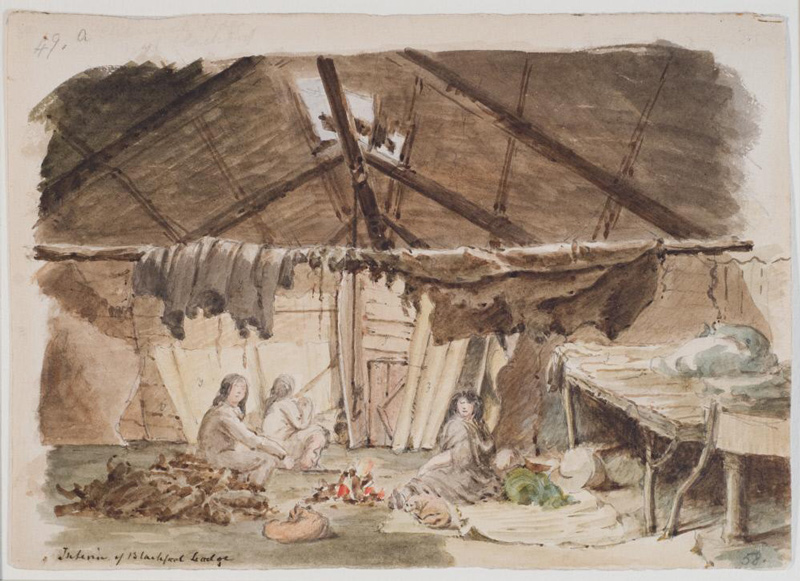
Watercolor and pencil on paper, 5 1/8 x 7 1/4 inches (13 x 18.4 cm). Courtesy Stark Museum of Art, bequest of H.J. Lutcher Stark, 1965.
The lodge in this figure was likely a Skilloot lodge near the mouth of the Cowlitz River. It is unlikely that the artist traveled any further down the river. He described Chinookan Peoples:
During the season the Chinooks are engaged in gathering camas and fishing, they live in lodges constructed by means of a few poles covered with mats made of rushes, which can be easily moved from place to place; but in the villages they build permanent huts of split cedar boards. . . . In the centre of this lodge the fire is made, and the smoke escapes through a hole left in the roof for that purpose.
The fire is obtained by means of a small flat piece of dry cedar, in which a small hollow is cut, with a channel for the ignited charcoal to run over; this piece the Indian sits on to hold it steady, while he rapidly twirls a round stick of the same wood between the palms of his hands, with the point pressed into the hollow of the flat piece. In a very short time sparks begin to fall through the channel upon finely frayed cedar bark placed underneath, which they soon ignite. There is a great deal of knack in doing this, but those who are used to it will light a fire in a very short time.[2]Paul Kane, Wanderings of an Artist among the Indians of North America . . . . (London: Longman, Brown, Green, Longmans, and Roberts, 1859), 187–89. See also Chinookan Houses and Making Fire.
Clark visited Clatsop lodges like these at present-day Seaside, Oregon. When building Fort Clatsop, men were dispatched to collect cedar boards from other empty villages. Those planks were used as roofing. For more on the give and take between the expedition and Clatsops, see Clatsop Give and Take.
For the Chinookan peoples, Coyote joins other beings from the Myth Age: Blue Jay, Salmon, and Grizzly Woman among others. The creek where he built his legendary house—today’s Neacoxie Creek—flows north to south bisecting nearly the length of the Clatsop Plain. A village at the estuary created by the ocean, Neacoxie Creek and the larger Necanicum River is Ne-ah-coxie Village. Nearby were three other Clatsop villages, and for a short time, a salt works built by soldiers from the Lewis and Clark Expedition.
The Neacoxie for a time parallels the Skipanon River. The latter conveniently flows north to the Columbia where there were at least three more Clatsop Villages. One was located along Tansy Creek the 1851 meeting site of what are known as the Tansy Point Treaties—a significant event in the history of Chinookan Peoples.[3]David V. Ellis, Chinookan Peoples of the Lower Columbia, ed. Robert T. Boyd, et al. (Seattle: University of Washington Press, 2013), 44; Henry B. Zenk, Yvonne P. Hajda, and Robert T. Boyd, … Continue reading
Chinookan Slaves
During the 1805–06 winter at Fort Clatsop, the Clatsops were the expedition’s nearest neighbors, and interactions were numerous. On the last day of February 1806, Clatsop Cuscalar and his wife came to the fort to sell eulachon, sturgeon, a beaver robe, and some roots. They also offered to sell a slave—a “good looking boy of about 10 years of age” wrote Lewis—for “beeds & a gun” wrote Clark. Slaves were pervasive throughout Clatsop, Chinookan, and Coastal nations and were acquired mostly through trade. Slaves were not allowed to flatten their heads (see Chinookan Head Flattening) and a person’s wealth could be gauged by the number of ’round heads’ paddling the canoe.[4]Hadja, Chinookan Peoples . . ., 157–158; Michael Silverstein, Handbook of North American Indians: Northwest Coast Vol. 7, ed. Wayne Suttles (Washington, D.C.: Smithsonian … Continue reading
The captains reported that the Clatsop adopted their slaves and “treat[ed] them very much as their own children.” The historical record is very different. Slave adoption was rare and slaves who became ill were often neglected.[5]Hadja, Chinookan Peoples . . ., 158. During his 1824–25 inspection tour of Canada and the Hudson’s Bay Columbia Department, Governor-in-Chief George Simpson wrote:
Slaves form the principal article of traffick on the whole of this Coast and constitute the greater part of their Riches; they are made to Fish, hunt, draw Wood & Water in short all the drudgery falls on them; they feed in common with the Family of their proprietors and intermarry with their own class, but lead a life of misery, indeed I conceive a Columbia Slave to be the most unfortunate Wretch in existence; the proprietors exercise the most absolute authority over them even to Life and Death and on the most trifling fault wound and maim them shockingly.[6]George Simpson, Fur Trade and Empire: George Simpson’s Journal, ed. Frederic Merk (Cambridge, MA: Harvard University Press, 1968), 101.
European Diseases
On 7 February 1806, Lewis recorded what they had learned about smallpox among the Chinookan peoples:
The small pox has distroyed a great number of the natives in this quarter. it prevailed about 4 years since among the Clatsops and distroy several hundred of them, four of their chiefs fell victyms to it’s ravages. those Clatsops are deposited in their canoes on the bay a few miles below us. I think the late ravages of the small pox may well account for the number of remains of vilages which we find deserted on the river and Sea coast in this quarter.—
The 1801 epidemic had come from the Northern Rockies. The year and direction of an earlier epidemic, also reported in the Lewis and Clark journals, is harder to define. Ethno-historian Robert Boyd finds that recently discovered oral tradition supports the theory that the first epidemic, in the early 1780’s, came from contact with ships. Another theory has that epidemic coming from Plains Indians. Boyd states that it is also possible the epidemic struck from both directions.[7]Robert T. Boyd, Chinookan Peoples . . ., 236.
In addition to recurring waves of smallpox, alcoholism and malaria also plagued Chinookan peoples. The “fever and ague” or “intermittent fever” broke out in 1830 among both the Chinook and the Fort Vancouver employees. The malaria may have come from the ships Owyhee and Convoy or from traders who had previous contact with malarial tribes along the Mississippi.[8]Robert T. Boyd, Handbook . . ., 138.
Based on population counts, including those of Lewis and Clark in their Estimate of the Western Indians, populations declined as much as 92% from European diseases. Clatsop and Chinookan survivors were left with “a heritage of fear” which traders sometimes used to their advantage.[9]Robert T. Boyd, Chinookan Peoples . . ., 237.
Return to Neacoxie
At the Necanicum River estuary complex, Clark recorded four houses comprised of both Clatsops and Tillamooks, an affiliation that continues today. In 2001, they formed the Clatsop-Nehalem Confederated Tribes. Like the Chinooks, they have not been able to obtain federal recognition. In May 2020, the confederation obtained the 18.6 acre Neawanna Point Habitat Preserve on the Necanicum Estuary. Now renamed Ne-ah-coxie Village, this saltmarsh and forest is once again owned and shared by Clatsop and Nehalem Tillamook.[10]Robert H. Ruby, John A. Brown, and Cary C. Collins, A Guide to the Indian Tribes of the Pacific Northwest (Norman: University of Oklahoma Press, 2010), 42; “Clatsop-Nehalem tribes … Continue reading
Selected Pages and Encounters
Clatsop Cone Hats
by Joseph A. Mussulman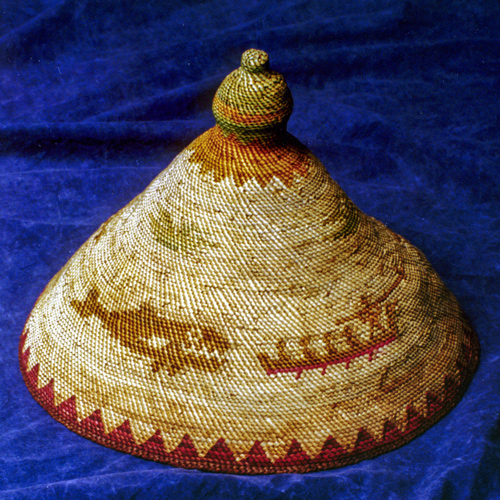
They could come up with nothing in the way of hats that was as practical as the style perfected by the Clatsops and Chinooks.
Flag Presentations
by Joseph A. Mussulman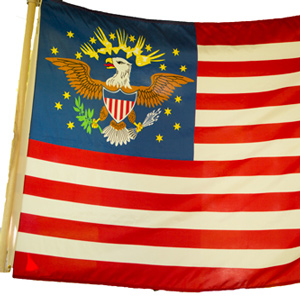
Lewis and Clark usually distributed flags at councils with the chiefs and headmen of the tribes they encountered—one flag for each tribe or independent band.
November 21, 1805
Clatsop and Chehalis visitors
by Kristopher K. Townsend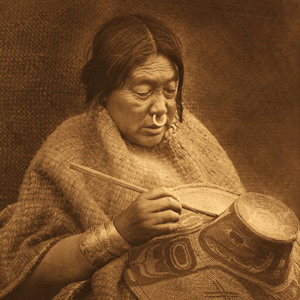
At Station Camp near the mouth of the Columbia, some Clatsops and Lower Chehalis visit. Additionally, the wife of Chinook chief Delashelwilt brings six young females to camp. Clark describes Chinookan head flattening and woven mats and hats.
In Washington City, Secretary of War Henry Dearborn orders Louisiana Territory Governor and Commander of the U.S. Army, James Wilkinson, to cancel his plans to build a fort on the Platte River.
November 23, 1805
Marking the territory
by Kristopher K. Townsend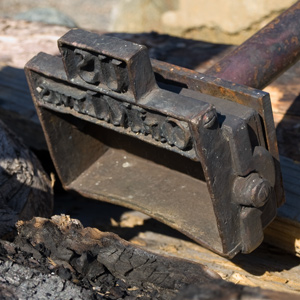
At Station Camp on Baker Bay, Lewis brands a tree and then, Clark and several of the party make marks of their own. Clatsop visitors come to trade for blue beads, and in the evening, the weather clears.
December 3, 1805
Food for the sick
by Kristopher K. Townsend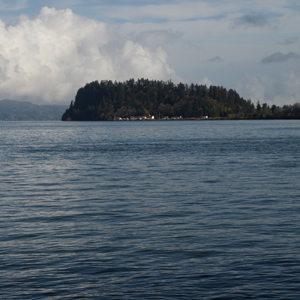
At their Tongue Point bivouac, spirits lift when the morning proves fair and fresh elk meat arrives. Clark and several enlisted men find healing in the wapato and marrow.
December 9, 1805
The Necanicum Clatsop Village
by Kristopher K. Townsend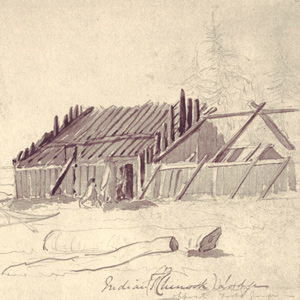
Looking for a place to make salt, Clark meets three Necanicum Clatsops who take his group to their village at present Seaside, Oregon. At the Fort Clatsop site, construction begins on a “small fort”.
December 10, 1805
Beachcombing
by Kristopher K. Townsend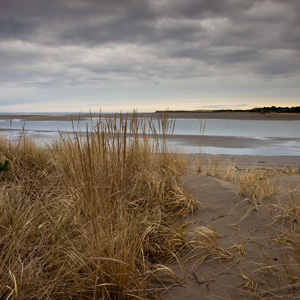
Near present Seaside, Oregon, Clark goes beach combing while the villagers look for fish stranded by the retreating tide. He returns to the Fort Clatsop construction site, where workers are falling trees and building a foundation.
Near Little Falls, Minnesota, U.S. Army explorer Zebulon Pike‘s men must drag two sleds over the prairie and a pirogue over the frozen river.
An attempt to return Arikara chief Too Né (Eagle Feather) to his home is stopped by some Kansa. Louisiana Territory Governor James Wilkinson decides to send him to Washington City.
December 12, 1805
Coboway's peace medal
by Kristopher K. Townsend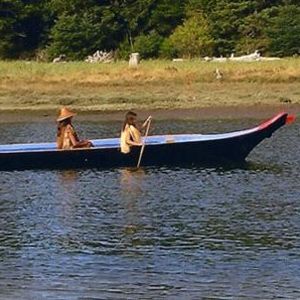
Two canoes of Clatsops come to the construction site to trade wapato and a sea otter skin. The captains give a medal to Chief Coboway, and Clark describes the Clatsop’s desire for blue beads.
December 13, 1805
Cat skins
by Kristopher K. Townsend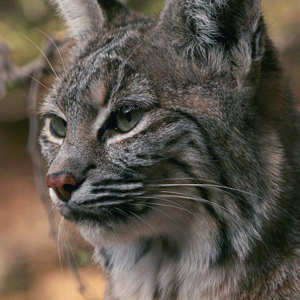
At the Fort Clatsop construction site, the captains trade for bobcat and lynx furs. Two hunters return having left several butchered elk in the woods, and workers attempt to split grand fir into boards.
December 18, 1805
The gray jay, new to science
by Kristopher K. Townsend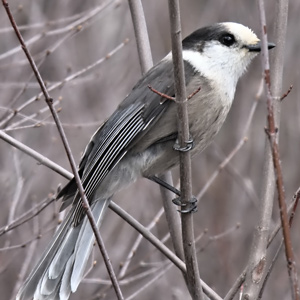
At Fort Clatsop, the morning brings rain, snow, and hail. Several men bring in planks taken from an old Chinookan fishing camp across Youngs Bay, and Lewis describes the gray jay, new to science.
Clatsop Give and Take
Dubious interactions
by Joseph A. Mussulman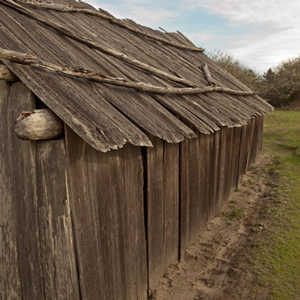
In mid-March the men stole a Clatsop canoe as recompense for Indians’ theft of 6 elk carcasses the men had shot, even though the tribe’s chief had already made restitution for the elk by giving the captains three free dogs.
December 19, 1805
'Borrowing' Clatsop boards
by Kristopher K. Townsend
Several Clatsops visit the fort construction site, and everyone except Sgt. Ordway is in good health. Sgt. Pryor heads a detachment across Youngs Bay to retrieve boards from an abandoned Clatsop house.
December 21, 1805
Harvesting kinnikinnick
by Kristopher K. Townsend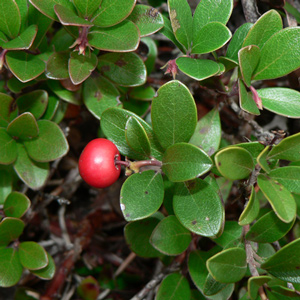
At the Fort Clatsop site, the enlisted men daub and chink their cabins but have difficulty splitting logs into puncheons. Two men are harvesting kinnikinnick to mix with the little tobacco they have left.
December 23, 1805
Clatstop traders
by Kristopher K. Townsend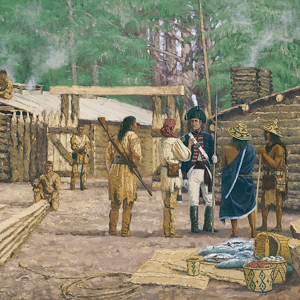
At Fort Clatsop, work on the cabins continues, and the captains move into their unfinished quarters. Clatsop traders sell food, mats, bags, and a panther hide for fishhooks, an old file, and spoiled salmon.
December 24, 1805
New writing slabs
by Kristopher K. Townsend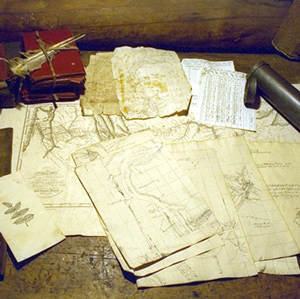
At Fort Clatsop, all the cabins are covered and several enlisted men move into their quarters. The captains refuse offers made by a visiting Clatsop chief, and Pvt. J. Field gives each captain a writing slab.
December 27, 1805
Chimneys
by Kristopher K. Townsend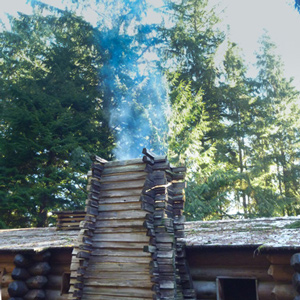
At Fort Clatsop, the enlisted men are hunting, setting up a salt works, building chimneys, or making pickets and gates. Coboway brings roots and receives a sheepskin headband and earrings in return.
Chinookan Woven Hats
by Mary Malloy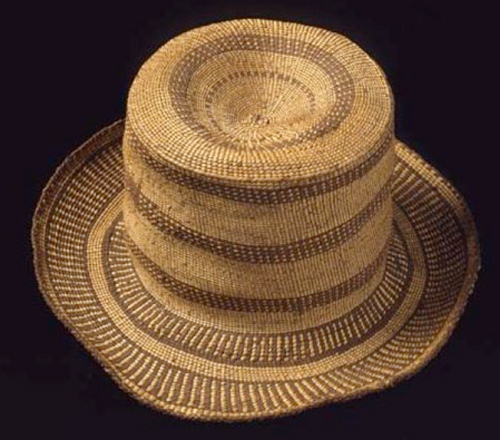
Today five hats at the Peabody Museum of Archaeology and Ethnology (PMAE) at Harvard University have a provenance that potentially associates them with the Lewis and Clark expedition. These hats represent an extensive network of trade.
December 29, 1805
Wahkiakum traders
by Kristopher K. Townsend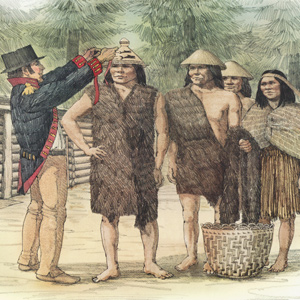
Clark gives visiting Wahkiakum traders a small peace medal and ties a red ribbon to a cone hat; Clatsop chief Coboway is given a razor. Clark also lists the day’s work details and sick men.
December 31, 1805
Latrine and sentry box
by Kristopher K. Townsend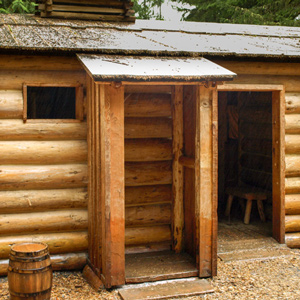
At Fort Clatsop, an Indian’s musket is repaired, and a red-headed Clatsop is among the many visitors today. Clark notes that their behavior has improved, and a new latrine and sentry box are added.
January 2, 1806
Infested with fleas
by Kristopher K. Townsend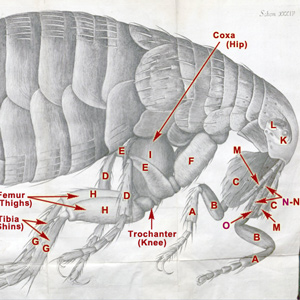
Two men from the salt works fail to return Fort Clatsop. Trade with local Clatsop villagers and trouble with fleas continue. Also mentioned today are aquatic birds and local fur trapping.
January 3, 1806
An agreeable food
by Kristopher K. Townsend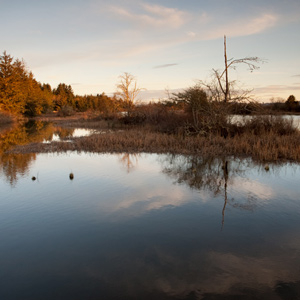
Clatsop villagers come to Fort Clatsop to sell whale blubber and dogs. Lewis finds the latter “an agreeable food”. Two men are sent to fetch long-overdue Pvts. Willard and Weiser from the salt works.
January 4, 1806
Across the Clatsop Plain
by Kristopher K. Townsend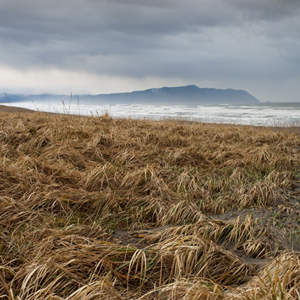
Sgt. Gass and Pvt. Shannon travel through the marshes and dunes of the Clatsop Plain on their way to the salt makers’ camp. At Fort Clatsop, Lewis describes Clatsop views on material goods.
January 6, 1806
Sacagawea's plea
by Kristopher K. Townsend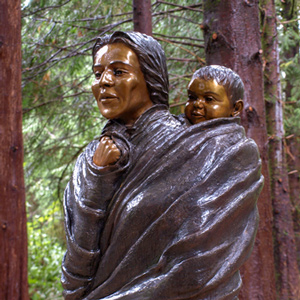
At Fort Clatsop, Sacagawea pleads to be permitted to see a beached whale, and her wish is “indulged”. Half-way to the salt works, Clark’s group—including Sacagawea—have a clear night with a “Shiney” moon.
January 7, 1806
Climbing Clark's Mountain
by Kristopher K. Townsend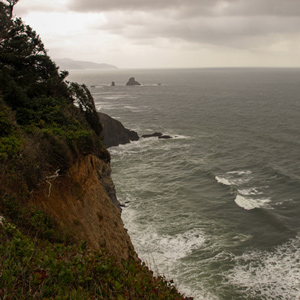
Clark’s small group walks several miles along the beach to reach the Salt Works at present Seaside, Oregon. From there, they climb up and over the very “Pe Shack” (bad) Tillamook Head—Clark’s Mountain.
January 9, 1806
Re-crossing Tillamook Head
by Kristopher K. Townsend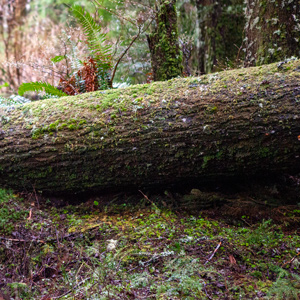
Clark’s small group crosses Tillamook Head and returns to the salt makers’ camp with about 300 pounds of whale blubber and a few gallons of whale oil. At Fort Clatsop, Lewis describes Chinookan Peoples.
January 11, 1806
Lost canoe
by Kristopher K. Townsend
The previous night at Fort Clatsop, careless paddlers fail to properly secure the Chinookan canoe, and it floats away with the tide. After the visiting Kathlamets leave to barter with the Clatsops, Lewis briefly describes the Columbia River trade network.
In Washington City, President Jefferson says an Indian delegation—organized previously by Lewis and others in St. Louis—will soon leave.
January 13, 1806
Out of candles
by Kristopher K. Townsend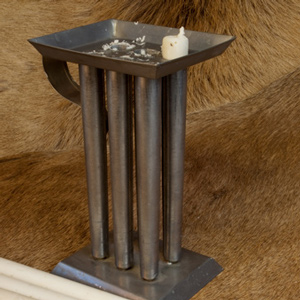
At Fort Clatsop near present Astoria, Oregon, elk tallow is rendered to make new candles, and Lewis finds that elk do not have enough fat. He also describes the ship trade among the area’s Nations.
January 15, 1806
Lewis's new fur coat
by Kristopher K. Townsend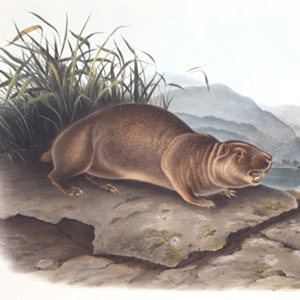
Lewis’s new fur coat—made by local Indians from bobcat and perhaps mountain beaver robes—is brought to Fort Clatsop. The captain also describes Chinookan hunting methods and weaponry.
January 17, 1806
Hats, mats, and baskets
by Kristopher K. Townsend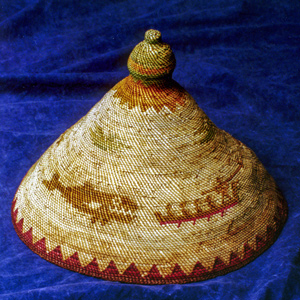
At Fort Clatsop near present Astoria, Oregon, Lewis describes Chinookan eating utensils, woven baskets, and hats. A Clatsop man refuses to trade his otter skin robe for anything other than blue beads.
January 18, 1806
Chinookan houses
by Kristopher K. Townsend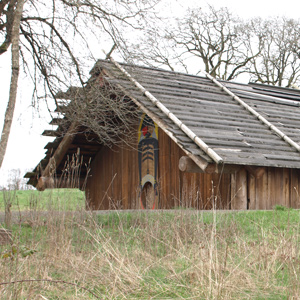
Some Clatsops return to the fort to fetch a dog they had left behind, and then Lewis states that “no further occurrence worthy of relation took place.” Both captains describe Chinookan plankhouses.
January 19, 1806
Last of the blue beads
by Kristopher K. Townsend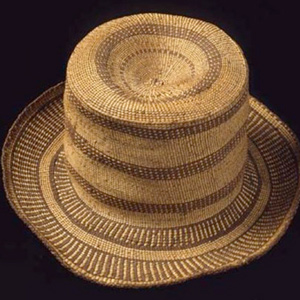
At Fort Clatsop, the captains trade the last of the blue beads for a sea otter skin and buy a Chinookan woven hat made in the shape of a cap. Lewis describes Chinookan laws and customs.
January 24, 1806
Astonishing weaponry
by Kristopher K. Townsend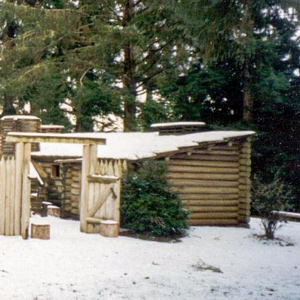
At Fort Clatsop, several Clatsop visitors are impressed with Drouillard’s shooting skills. Lewis demonstrates his air gun and describes how Chinookan People use the seashore lupine and wapato plants.
January 28, 1806
Naming the Netul
by Kristopher K. Townsend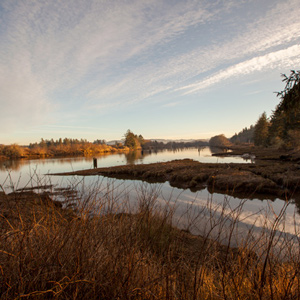
The captains adopt the Clatsop word to name the Netul—present Lewis and Clark River, and Lewis describes the Oregon crabapple tree. Pvts. Howard and Werner arrive at Fort Clatsop with a fresh supply of salt and report the salt makers are “much straitened for provision”. Due to fresh snow, only three of yesterday’s killed elk can be found.
January 30, 1806
Chinookan lifeways
by Kristopher K. Townsend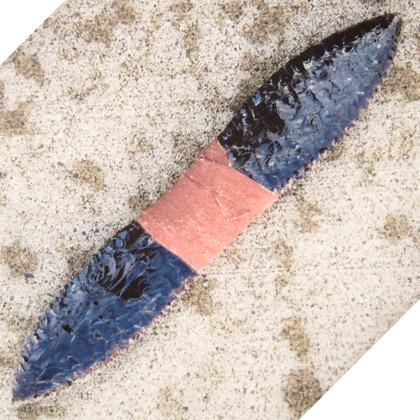
On this snowy day at Fort Clatsop near the Pacific Ocean, Lewis says that nothing worthy of notice happens. He then writes about Chinookan lifeways describing their dress, hats, and double-edge knives.
In Washington City, General Wilkinson is appointed governor of Louisiana.
February 3, 1806
Seven elk in peril
by Kristopher K. Townsend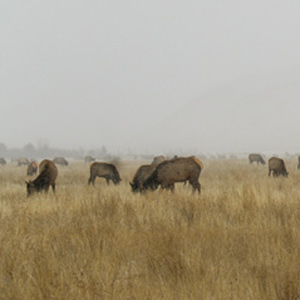
Hunters leave some elk near a Clatsop village, and Lewis worries they are in peril of being stolen. Four men arrive from the salt works with two bushels of salt and some whale blubber.
February 7, 1806
Ravages of smallpox
by Kristopher K. Townsend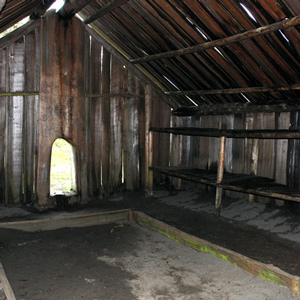
After a dinner of elk marrow bones and brisket, Lewis sarcastically says they are living in high style at Fort Clatsop. He describes the ravages of smallpox among the Clatsop and a local species of huckleberry.
February 18, 1806
Woven hats and bobcat robes
by Kristopher K. Townsend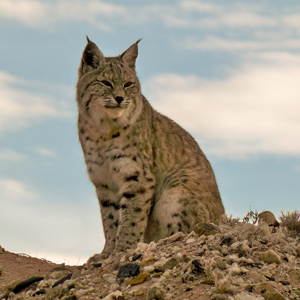
At Fort Clatsop, Chinookan traders arrive with woven hats and furs to sell. Pvt. Whitehouse shows Clark his bobcat robe, and Sgt. Ordway’s attempt to reach the salt makers’ camp fails due to high waves.
February 22, 1806
New rain hats
by Kristopher K. Townsend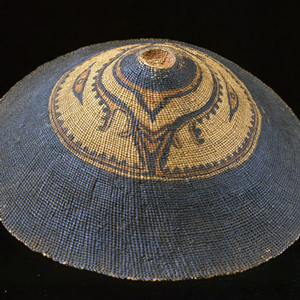
Two Clatsop women deliver woven hats previously ordered by the captains, and they distribute them among the enlisted men. The eulachon run begins, and Lewis describes pronghorns and bighorn sheep.
February 24, 1806
Fresh eulachon
by Kristopher K. Townsend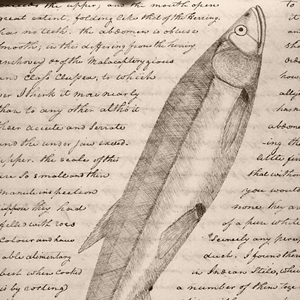
At Fort Clatsop near the Pacific Ocean, Clatsop traders arrive with fresh eulachon enabling Lewis to draw, describe, and taste this small fish. Hunters report that the elk have vacated the neighborhood.
February 25, 1806
Western gray squirrel
by Kristopher K. Townsend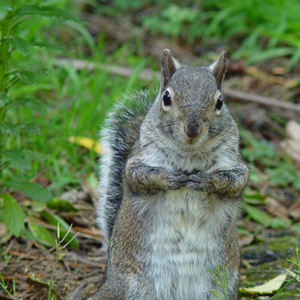
At Fort Clatsop near Astoria, Oregon, there is little movement today other than violent winds and rain. Lewis describes Richardson’s ground squirrels and western gray squirrels—the latter new to science.
In Washington City, Arikara chief Too Né (Eagle Feather) draws a map and shows where Lewis and Clark were camped las winter.
March 6, 1806
Coboway and sons
by Kristopher K. Townsend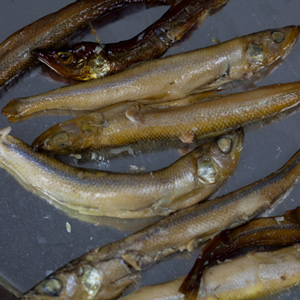
Coboway and two sons bring cooked eulachon to Fort Clatsop which the captains find excellent. Detachments are sent out to hunt and fish, several men are sick, and Lewis lists aquatic birds of the area.
March 9, 1806
Spanish beeswax
by Kristopher K. Townsend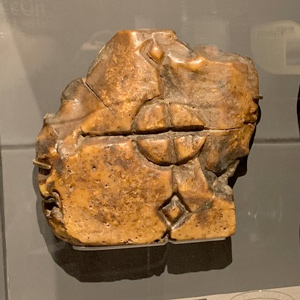
At Fort Clatsop near present Astoria, Oregon, traders bring eulachon and beeswax from a shipwrecked Spanish galleon. Lewis describes various swans encountered on the journey.
March 14, 1806
Canoe dealers
by Kristopher K. Townsend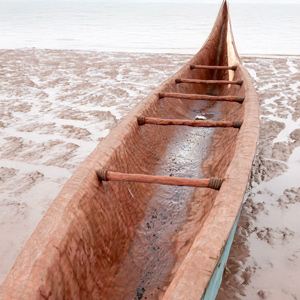
Interpreter George Drouillard and a party of Clatsops arrive with a canoe for sale, but the captains fail to make a deal. Clark reports news of trading ships to the north, and Lewis describes steelhead and cutthroat trout.
In Washington City, the Secretary of War reports on the Indian delegations visiting the city. He finds Arikara chief Too Né (Eagle Feather) an “interesting character”.
March 15, 1806
Harvesting the hunt
by Kristopher K. Townsend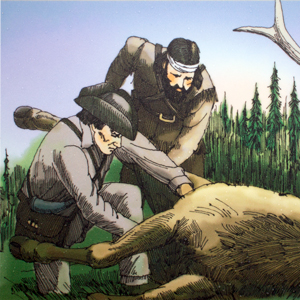
At Fort Clatsop near the Pacific Ocean, the captains continue to barter for canoes. Several enlisted men are busy hunting and gathering meat, and the “old baud” sets up her business outside the fort.
March 16, 1806
A "scant dependence"
by Kristopher K. Townsend
At Fort Clatsop, Lewis bemoans the expedition’s “scant dependence” for trade. A Coho salmon run begins, and the captains write letters with hopes they will be taken east by visiting ship captains.
March 18, 1806
Stealing a canoe
by Kristopher K. Townsend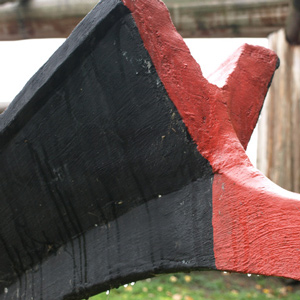
Near the Pacific Ocean, four men steal and hide a Clatsop canoe. The captains write a short description of the expedition which they distribute among the local residents.
Chinookan Head Flattening
A most remarkable trait
by Joseph A. Mussulman, Kristopher K. Townsend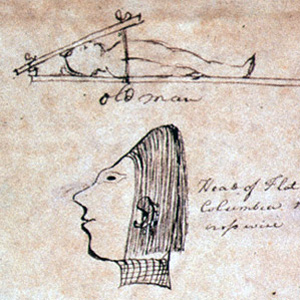
The most remarkable trait in the Clatsop Indian physiognomy, Lewis wrote on 19 March 1806, was the flatness and width of their foreheads, which they artificially created by compressing the heads of their infants, particularly girls, between two boards.
March 22, 1806
Giving away the fort
by Kristopher K. Townsend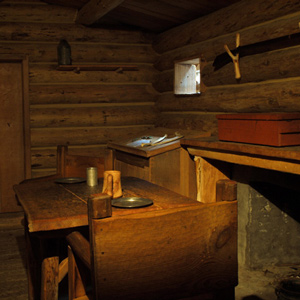
In anticipation of leaving for home tomorrow, Fort Clatsop is given to Coboway, and hunters are sent up the Columbia. Dried eulachon and a dog are purchased, and the canoes are plugged with mud.
March 25, 1806
Downstreamer Chinooks
by Kristopher K. Townsend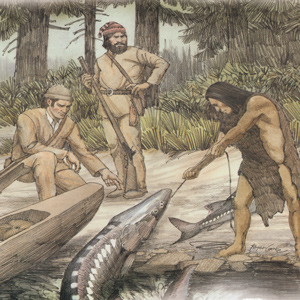
As they paddle along the south shore of the Columbia, the expedition sees Downstreamer Chinooks trolling for sturgeon. After fifteen miles, they find a popular camping spot at the present Clatskanie River.
Fort Clatsop’s Legacy
by Joseph A. Mussulman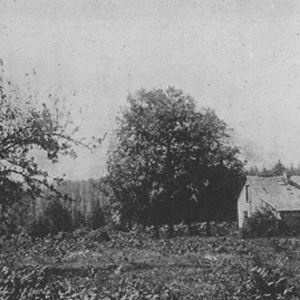
One of the first writers to devote special attention to the question of Fort Clatsop’s post-history was Olin D. Wheeler, who visited the site with Coboway’s grandson, Silas B. Smith, in 1900, and wrote briefly of it.
Notes
| ↑1 | Franz Boas, Chinook Texts (Washington, D.C.: Smithsonian Institution, 1894), 101. |
|---|---|
| ↑2 | Paul Kane, Wanderings of an Artist among the Indians of North America . . . . (London: Longman, Brown, Green, Longmans, and Roberts, 1859), 187–89. See also Chinookan Houses and Making Fire. |
| ↑3 | David V. Ellis, Chinookan Peoples of the Lower Columbia, ed. Robert T. Boyd, et al. (Seattle: University of Washington Press, 2013), 44; Henry B. Zenk, Yvonne P. Hajda, and Robert T. Boyd, “Chinookan Villages of the Lower Columbia,” Oregon Historical Quarterly, 2016, Vol. 117, No. 1, 8–9. For more on the Tansy Point Treaties, see Chinooks. |
| ↑4 | Hadja, Chinookan Peoples . . ., 157–158; Michael Silverstein, Handbook of North American Indians: Northwest Coast Vol. 7, ed. Wayne Suttles (Washington, D.C.: Smithsonian Institution, 1990), 542–43. |
| ↑5 | Hadja, Chinookan Peoples . . ., 158. |
| ↑6 | George Simpson, Fur Trade and Empire: George Simpson’s Journal, ed. Frederic Merk (Cambridge, MA: Harvard University Press, 1968), 101. |
| ↑7 | Robert T. Boyd, Chinookan Peoples . . ., 236. |
| ↑8 | Robert T. Boyd, Handbook . . ., 138. |
| ↑9 | Robert T. Boyd, Chinookan Peoples . . ., 237. |
| ↑10 | Robert H. Ruby, John A. Brown, and Cary C. Collins, A Guide to the Indian Tribes of the Pacific Northwest (Norman: University of Oklahoma Press, 2010), 42; “Clatsop-Nehalem tribes ‘dreaming again’ with return of ancestral land,” https://www.opb.org/article/2020/12/15/oregon-native-tribes-clatsop-seaside-land/, accessed 24 Feb 2021. |
Experience the Lewis and Clark Trail
The Lewis and Clark Trail Experience—our sister site at lewisandclark.travel—connects the world to people and places on the Lewis and Clark Trail.
Discover More
- The Lewis and Clark Expedition: Day by Day by Gary E. Moulton (University of Nebraska Press, 2018). The story in prose, 14 May 1804–23 September 1806.
- The Lewis and Clark Journals: An American Epic of Discovery (abridged) by Gary E. Moulton (University of Nebraska Press, 2003). Selected journal excerpts, 14 May 1804–23 September 1806.
- The Lewis and Clark Journals. by Gary E. Moulton (University of Nebraska Press, 1983–2001). The complete story in 13 volumes.
This site is provided as a public service by the
Lewis and Clark Trail Alliance
with additional funding from the following: