Kristopher Townsend
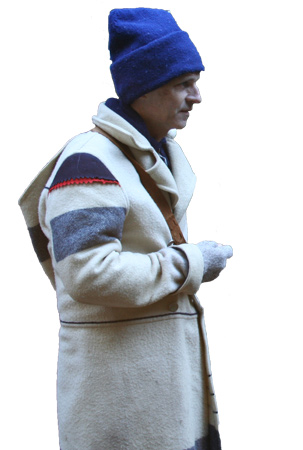
From the Pacific Northwest Living Historians at Lewis and Clark National Historic Park, Fort Clatsop.
Since 2016, Kristopher K. Townsend has been the webmaster and editor of this site, Discovering Lewis & Clark®. He has been actively photo-documenting the Lewis and Clark Trail since 1995. He attempts as closely as possible to re-create scenes as described in the journals including the same time of year, natural state, location, and weather. He has contributed numerous photos throughout the Discovering Lewis & Clark website.
Kris taught several years as a tenured instructor at Spokane Falls Community College. His courses included Internet programming and other information technology and computer science courses. During that time, he was also the series editor and an author of a popular college textbook series on Office Technology.
Shortly after the advent of the World Wide Web, he managed a web server featuring digital photos, digital video, and articles created by his Glenwood Heights Primary students. Topics included historical sites of Clark County (Washington State), wildflowers and birds of Clark County, and how-to videos for school’s physical education program.
Contributions to this Site
August 16, 1803
Boils and imposthumes
by Kristopher K. Townsend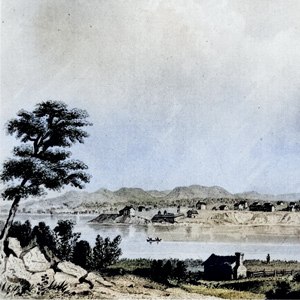
In Pittsburgh, completion of the expedition’s barge is about half a month away. Just like the enlisted men during the upcoming expedition, the town’s residents and even the dogs and goats suffer from tumors and wens—what Lewis would call “boils and imposthumes”.
August 15, 1803
Sulfurous springs
by Kristopher K. Townsend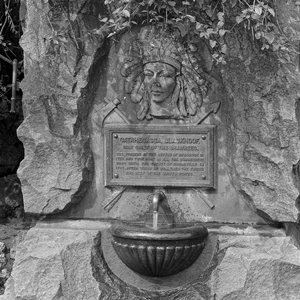
In Pittsburgh, Lewis oversees construction of the expedition’s military-style barge before departing down the Ohio River. The high hills surrounding the city are so impregnated with coal that the springs issuing from them taste of sulfur.
August 14, 1803
Keelboats and flatboats
by Kristopher K. Townsend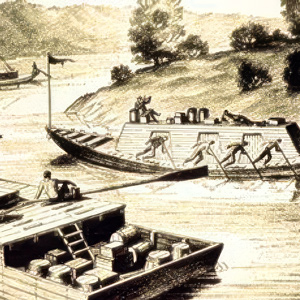
In Pittsburgh, Lewis has ample time to become acquainted with the commercial boats plying the Ohio River—mainly flatboats and keelboats. These boats were very different from the expedition’s military barge currently under construction in that city.
August 13, 1803
Pittsburgh's "salubrious" air
by Kristopher K. Townsend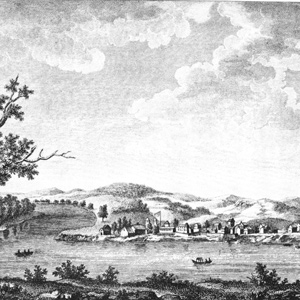
In Pittsburgh, Lewis oversees construction of the expedition’s military-style barge before departing down the Ohio River. There, he enjoys the “salubrious” air that only a few decades later would be called “gruesome offal” and “hell with the lid taken off”.
August 12, 1803
Questions and attitudes
by Kristopher K. Townsend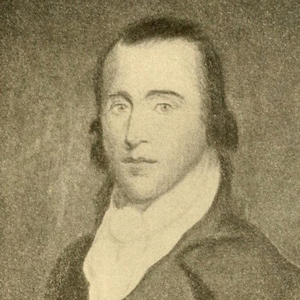
While Lewis oversees construction of the expedition’s barge at Pittsburgh, much of North America is intrigued by the recent purchase of Louisiana from France. From his Monticello home, President Jefferson discusses constitutional questions regarding the treaty with future Attorney General John Breckinridge. From New Orleans, the American Consul, Daniel Clark, reports on the attitudes of the people living there.
August 11, 1803
Waiting at Fort Fayette
by Kristopher K. Townsend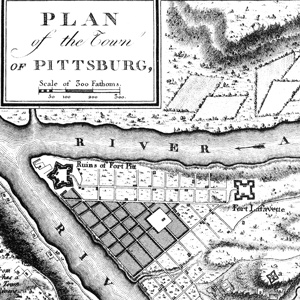
Lewis is at Fort Fayette overseeing construction of the expedition’s military-style barge. Fort Fayette was mapped and described by French spy Victor Collot after his 1796 visit to Pittsburgh.
August 10, 1803
Reflections on Louisiana
by Kristopher K. Townsend
In Pittsburgh, Lewis oversees construction of the expedition’s barge before departing down the Ohio River. Throughout the United States, citizens reflect on the legality and benefits of the Louisiana Purchase.
August 9, 1803
Catecahassa's speech
by Kristopher K. Townsend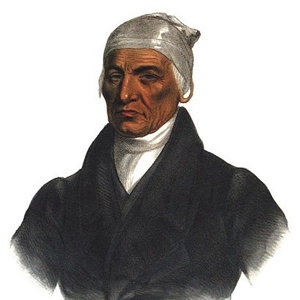
In Pittsburgh, Lewis oversees construction of the expedition’s barge. There he can enjoy relative safety from Native American attacks. In 1802, a Shawnee chief known to Pittsburgh residents delivered an eloquent speech to Thomas Jefferson.
August 8, 1803
Pittsburgh dry goods
by Kristopher K. Townsend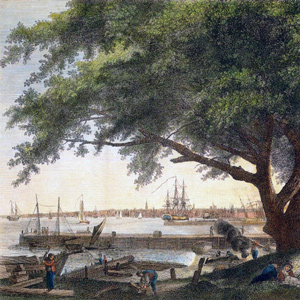
In Pittsburgh, Lewis oversees construction of the expedition’s military-style barge before departing down the Ohio River. Most of the dry goods available here were primarily shipped from the seaports of Philadelphia and Baltimore.
August 7, 1803
Fort Duquesne
by Kristopher K. Townsend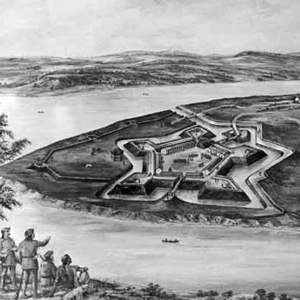
As he waits in Pittsburgh for the expedition’s military barge to be completed, Lewis leaves little record of his day-to-day activities. Undoubtedly, his walks sometimes took him to the point between the Allegheny and Monongahela Rivers where the ruins of Fort Duquesne stood.
August 6, 1803
Barges and pirogues
by Kristopher K. Townsend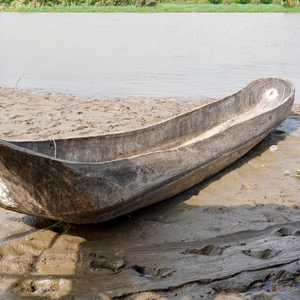
In Pittsburgh, Lewis oversees construction of the expedition’s military-style barge before departing down the Ohio River. Two boats commonly used to travel between Pittsburgh and New Orleans are barges and pirogues.
August 5, 1803
Ohio River boatmen
by Kristopher K. Townsend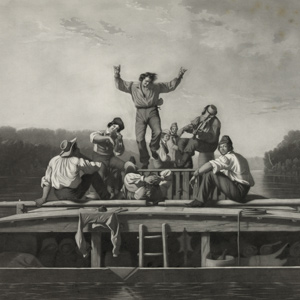
In Pittsburgh, Lewis oversees construction of the expedition’s military-style barge before departing down the Ohio River. The Ohio river boatmen he would have seen on this day are described by François André Michaux and Timothy Flint.
August 4, 1803
Ohio River market
by Kristopher K. Townsend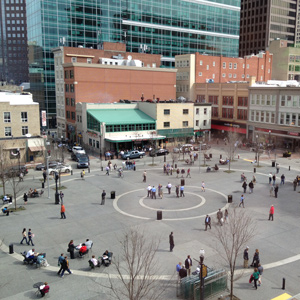
In Pittsburgh, Lewis oversees construction of the expedition’s military-style barge before departing down the Ohio River. The region’s market was described by François André Michaux after his visit there in 1802, and he mentions Redstone Old Fort—a key juncture in earlier travels of both Lewis and the family of William Clark.
August 3, 1803
Thanks go to Clark
by Kristopher K. Townsend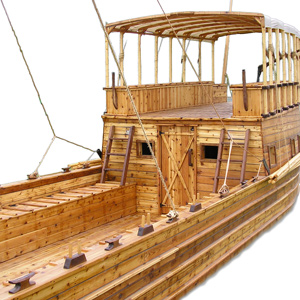
While in Pittsburgh overseeing the construction of the expedition’s military barge, Lewis thanks Clark for joining the Western Expedition. He asks Clark to find interpreter John Conner, and to stop engaging recruits until he arrives in Louisville. He also receives approval for Lt. Hooke to take the place of Clark should the need arise.
August 2, 1803
Pittsburgh's point
by Kristopher K. Townsend
In Pittsburgh, Lewis oversees construction of the expedition’s military-style barge before departing down the Ohio River. Lewis left us no written record, but the point of land between the Monongahela and Allegheny rivers was described by naturalist François André Michaux.
August 1, 1803
The Field brothers enlist
by Kristopher K. Townsend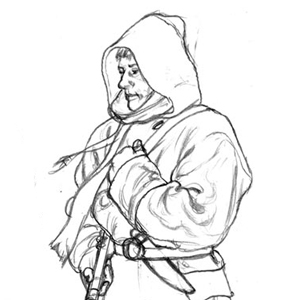
In Louisville, Clark recruits the Field brothers as privates in the United States Army.
In Pittsburgh, Lewis oversees construction of the expedition’s military-style barge before departing down the Ohio River.
July 31, 1803
Pittsburgh industry
by Kristopher K. Townsend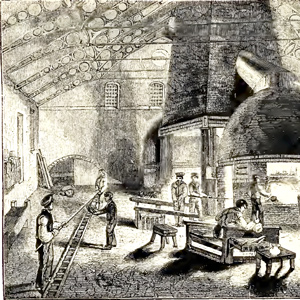
In Pittsburgh, Lewis oversees construction of the expedition’s military-style barge prior to departing down the Ohio River. The area’s industry provides many of the items needed to equip this boat, including glass for windows, furniture, tin sheets, and rope.
July 30, 1803
Forts Duquesne and Pitt
by Kristopher K. Townsend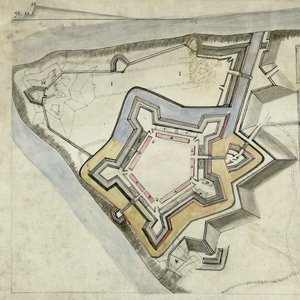
In Pittsburgh, Lewis oversees construction of the expedition’s military-style barge prior to departing down the Ohio River. His base is the U.S. Army headquarters at Fort Fayette. Nearby, remnants of two earlier forts—Pitt and Duquesne—can still be seen.
July 29, 1803
Clark's acceptance
by Kristopher K. Townsend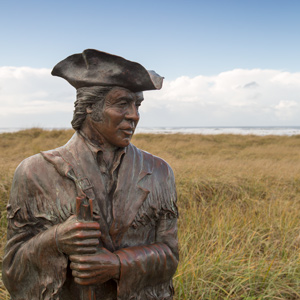
In Pittsburgh, Lewis receives Clark’s acceptance to co-command the Western Expedition. Written 18 July, Clark says he will endeavor to recruit some temporary soldiers and alludes to President Jefferson’s Secrecy.
July 28, 1803
Monongahela industry
by Kristopher K. Townsend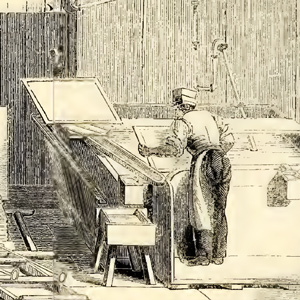
In Pittsburgh, Lewis oversees construction of the barge prior to departing down the Ohio River. Kentucky boats—smaller than the military-style barges—are built primarily at Elizabethtown and Redstone Old Fort—present Brownsville. Other industries along that river include glass making, flour mills, and paper making.
July 27, 1803
Building Fort Kaskaskia
by Kristopher K. Townsend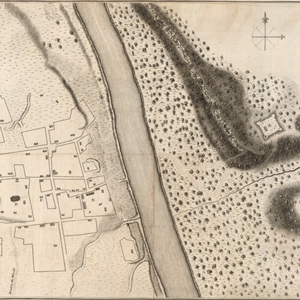
In Pittsburgh, Lewis oversees construction of the barge and waits to see if Clark will accept or decline his offer to co-command his Western expedition. In Washington City, orders are issued to lease land in Kaskaskia to build an American Army post to support the transfer of Louisiana and Jefferson’s Western expeditions.
July 26, 1803
Lewis and Hooke Expedition?
by Kristopher K. Townsend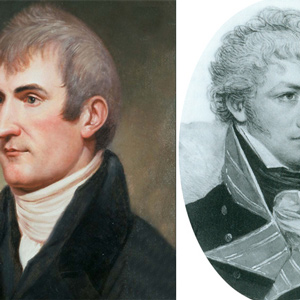
With Clark in Louisville and Lewis in Pittsburgh, the latter is unaware that Clark has accepted his offer to co-command the Western expedition. In a letter to President Jefferson, he recommends Lt. Moses Hooke—the commander of Fort Fayette—should Clark decline.
July 25, 1803
Pennsylvania freighting
by Kristopher K. Townsend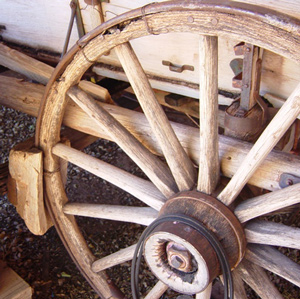
In Pittsburgh, Lewis oversees construction of the military-style barge and the recruitment of personnel. The town serves as a major starting point for moving goods from Philadelphia down the Ohio. These goods are typically shipped from Philadelphia by wagon.
July 24, 1803
Eligible recruits
by Kristopher K. Townsend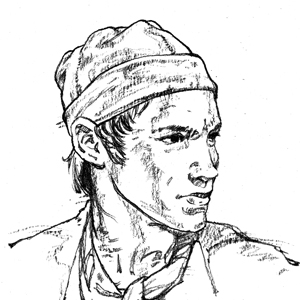
At Louisville, Clark writes a letter informing Lewis that he has found some eligible recruits, and that he is getting his affairs ready for departure down the Ohio River. He also writes President Jefferson informing him of his willingness to join Lewis in this “Vast enterprise”.
July 23, 1803
Ship-building timber
by Kristopher K. Townsend
In Pittsburgh, Lewis oversees the construction of the military barge before departing down the Ohio River. The timber used for building ships here is described by François André Michaux—the son of André Michaux who Thomas Jefferson had asked to lead a Western expedition in 1792.
July 22, 1803
Pittsburgh update
by Kristopher K. Townsend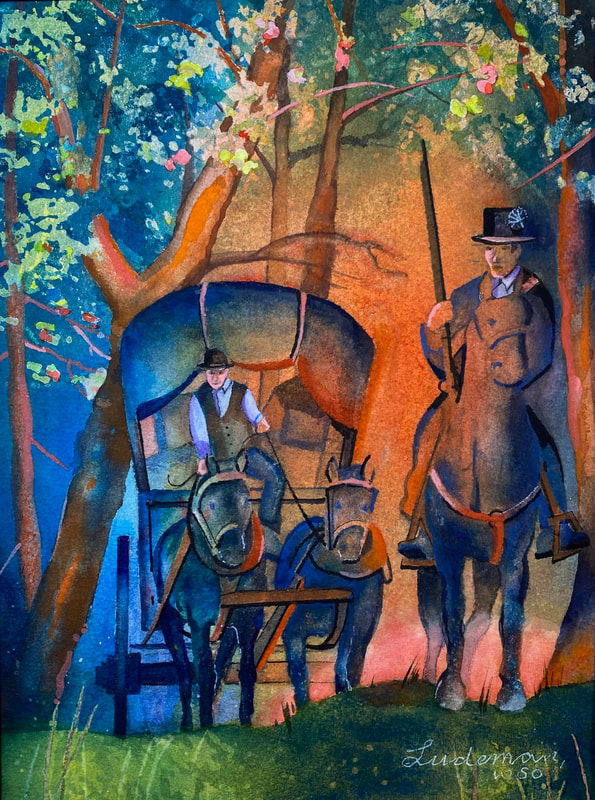
In Pittsburgh, Lewis writes a letter to President Jefferson to update him on his progress. The wagon from Harpers Ferry arrives, but the military barge that will take him and his new recruits down the Ohio River is far from ready.
July 21, 1803
U.S. Army headquarters
by Kristopher K. Townsend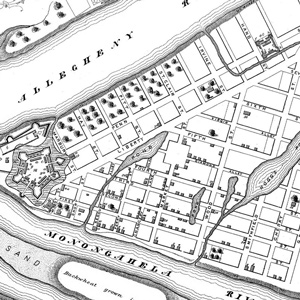
Lewis is at U.S. Army headquarters in Pittsburgh, Pennsylvania overseeing the building of the expedition’s military barge and waiting for supplies and personnel to arrive. Fellow visitor Thaddeus Harris describes the fort.
July 20, 1803
Key to the Western Territory
by Kristopher K. Townsend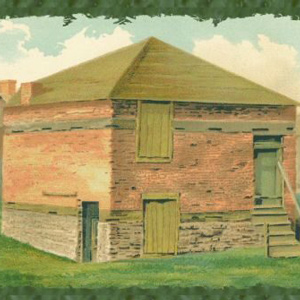
Prior to departure down the Ohio River, Lewis is in Pittsburgh overseeing the construction of the military barge and waiting for the shipment from Harpers Ferry. In 1803, Thaddeus Harris described the “local situation of this place” as the “key to the Western Territory”.
July 19, 1803
Stoddard's orders
by Kristopher K. Townsend
In Pittsburgh, Lewis is working and waiting for the day he can begin down the Ohio River.
In Washington City, Cpt. Stoddard’s orders are to support President Jefferson’s Western expeditions and the transfer of Louisiana to the United States by recommending the best location for an Army fort west of the Mississippi.
July 18, 1803
Clark signs on
by Kristopher K. Townsend
In Clarksville, Indiana, William Clark pens a letter to Lewis who is in Pittsburgh. In it, he accepts Lewis’s invitation to join the “enterprise” to explore the Missouri River to its source and from there to the Pacific Ocean.
In Philadelphia, one of Lewis’s mentors, Caspar Wistar, lists questions about the Missouri River for Lewis to answer.
July 17, 1803
Louisiana questions
by Kristopher K. Townsend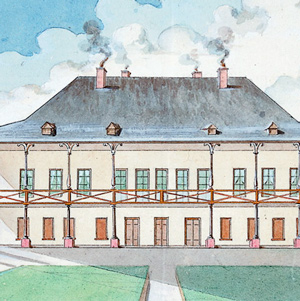
In Pittsburgh, Lewis struggles to get the Western Expedition’s barge built before low water season sets in.
In Washington City, Thomas Jefferson sends out a comprehensive list of questions about Louisiana for the upcoming Congressional debate on whether to ratify the Louisiana Treaty and Conventions.
July 16, 1803
Pittsburgh rivers
by Kristopher K. Townsend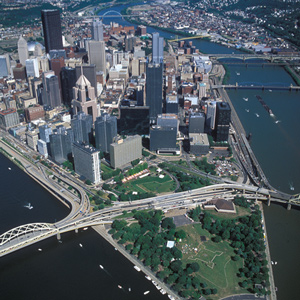
In Pittsburgh, Lewis is no doubt assessing his new situation and pondering new challenges such as building a military barge and manning the Western Expedition. Two Pittsburgh rivers—the Monongahela and Allegheny—are described by Thaddeus Harris during his 1803 visit here.
July 15, 1803
Pittsburgh arrival
by Kristopher K. Townsend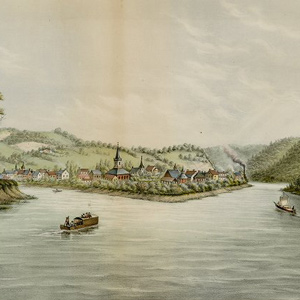
Outside Pittsburgh, Lewis arrives at Fort Fayette at two in the afternoon. One hour later, he writes to President Jefferson.
In Washington City, Jefferson writes to Lewis with news of the Louisiana Purchase and shares the coordinates of Lt. Broughton’s exploration of the Columbia River.
July 14, 1803
On the Monongahela
by Kristopher K. Townsend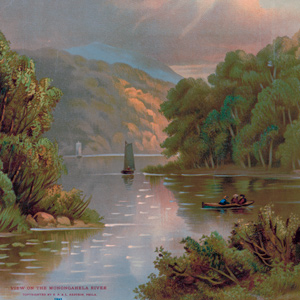
On his way to Pittsburgh, Lewis is likely traveling along the Monongahela River, between Brownsville and Elizabethtown, Pennsylvania. If he hired a flatboat, he would travel about 32 river miles. Continuing by horse would be a shorter distance, but a more difficult day.
In Washington City, President Jefferson receives information about Mt. Hood from French naturalist Bernard Lacépède.
July 13, 1803
Redstone Old Fort
by Kristopher K. Townsend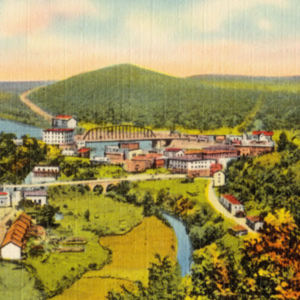
On this day, Lewis likely reaches the Monongahela River at present Brownsville, Pennsylvania—called Redstone Old Fort in 1803. While on the Cumberland Road, he would have passed Uniontown and Fort Necessity where George Washington surrendered to French and Indian forces in 1754. Traveling the same road one month prior to Lewis, Thaddeus Harris describes the journey.
July 12, 1803
Allegheny crossings
by Kristopher K. Townsend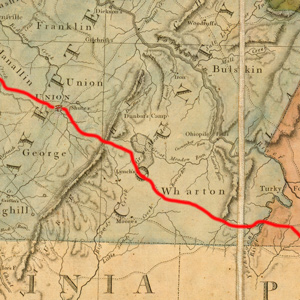
On his way to Pittsburgh, Lewis travels between Grantsville, Maryland and Farmington, Pennsylvania crossing two Allegheny Mountain chains. In 1794, he may have made a similar crossing during the 1794 Whiskey Rebellion—here recorded by surgeon to the Virginia Militia, Dr. Robert Wellford.
July 10, 1803
Cumberland, Maryland
by Kristopher K. Townsend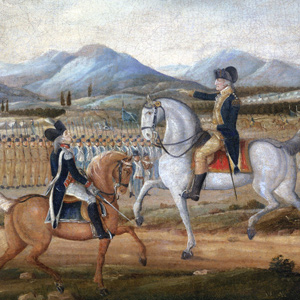
Lewis travels between Harpers Ferry and Pittsburgh passing through Fort Ashby and likely reaching Cumberland, Maryland on this day. Perhaps his recollections of the area are like those of his fellow Virginia Militia officer, Dr. Robert Wellford, during the 1794 Whiskey Rebellion.
July 9, 1803
The Whiskey Rebellion
by Kristopher K. Townsend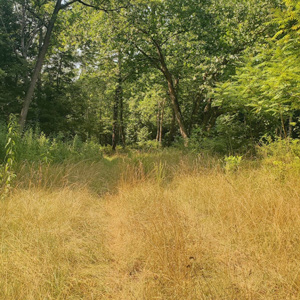
Lewis is traveling to Pittsburgh—likely between Brucetown, Virginia and the Forks of Cacapon in present West Virginia. Perhaps he is reminded of his time here with the 1794 Virginia State Militia during the Whiskey Rebellion.
In Frederick, Maryland, Inspector General Thomas Cushing writes to Lewis with orders, letters from other officers, and his wishes for a pleasant expedition.
July 8, 1803
Leaving for Pittsburgh
by Kristopher K. Townsend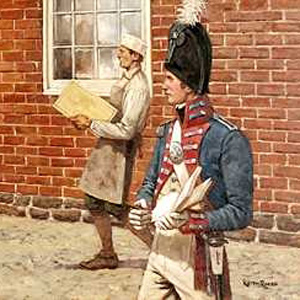
After delays in shipping the expedition’s armaments and equipment, Meriwether Lewis finally leaves the Harpers Ferry Armory in present West Virginia bound for Fort Fayette in Pittsburgh. He likely spends the night in Charles Town or Brucetown—8 and 22 miles away, respectively.
July 7, 1803
Testing rifles
by Kristopher K. Townsend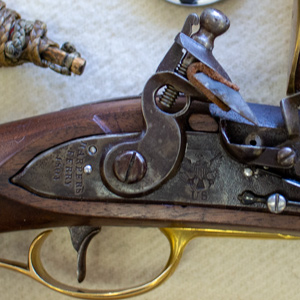
At Harpers Ferry, Lewis tests the rifles and inspects other items manufactured at the armory while he waits for them to be shipped to Pittsburgh.
July 6, 1803
Thaddeus Harris in Pittsburgh
by Kristopher K. Townsend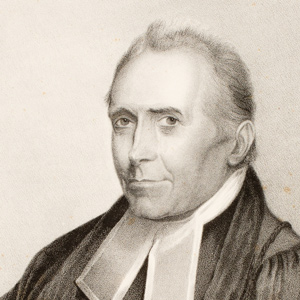
Lewis is traveling to the Harpers Ferry Armory on his way to Pittsburgh. A recent arrival there—Thaddeus Harris—describes the city and surrounding area providing us a preview of what Meriwether Lewis will see when he arrives on 15 July.
July 5, 1803
Lewis sets out
by Kristopher K. Townsend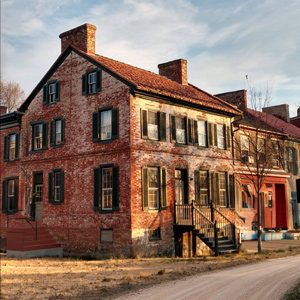
Meriwether Lewis leaves Washington City bound for the Harpers Ferry Armory. At Frederick, Maryland, he hires a wagoneer to take the expedition’s goods from the armory to Pittsburgh.
July 4, 1803
Jefferson's letter of credit
by Kristopher K. Townsend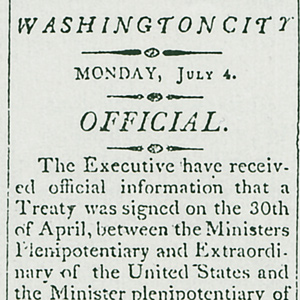
In Washington City, news of the Louisiana Purchase is made public and President Jefferson issues Meriwether Lewis an open letter of credit to pay for supplies or passage should he meet any ships at the Pacific Ocean.
July 3, 1803
News from France
by Kristopher K. Townsend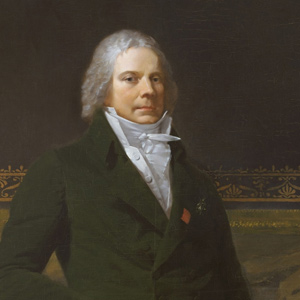
A letter from Charles-Maurice de Talleyrand—written in Paris and announcing that the Louisiana Purchase Treaty has been officially signed—reaches Washington City. President Jefferson writes to Henri Peyroux, the former commandant of St. Genevieve, seeking his cooperation and help with Lewis’s Western Expedition.
July 2, 1803
Dear Mother
by Kristopher K. Townsend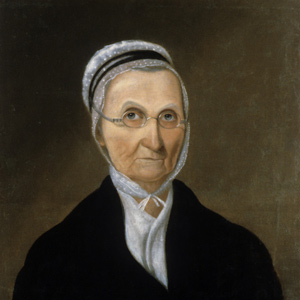
With departure from Washington City imminent, Lewis writes to his mother, Lucy Lewis Marks, who lives in Virginia. Henry Dearborn—War Department Secretary—writes several letters authorizing Lewis to acquire soldiers and boats.
July 1, 1803
Rodney's acceptance letter
by Kristopher K. Townsend
In Dover, Delaware, Thomas Rodney accepts his nomination ‘to act as one of the Judges for the Mississippi Territory’. Later, he will meet—and write about—the Lewis and Clark Expedition as it travels down the Ohio River.
June 30, 1803
Whelan's statement
by Kristopher K. Townsend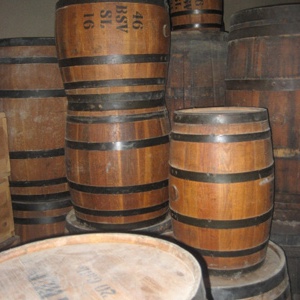
In Washington City, Lewis records a payment of $1000 to his primary purchasing agent, Israel Whelan. In Philadelphia, Whelan writes a statement summarizing the purchases he made on behalf of the expedition during the months of May and June.
June 29, 1803
Personnel authorization
by Kristopher K. Townsend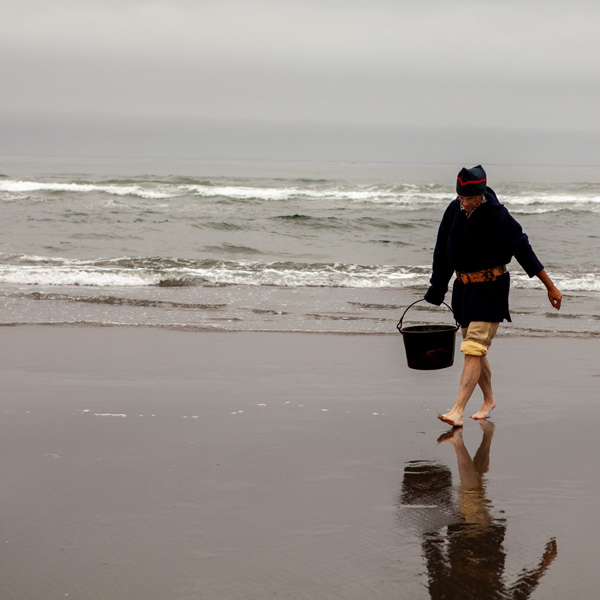
In Washington City, War Department secretary Henry Dearborn gives authorization to pay $554 for personnel including a lieutenant, corporal, sergeant, and 10 privates. Related financial records show this and other expenses “incident to extending the eternal commerce of the United States”.
June 28, 1803
Shipment refused
by Kristopher K. Townsend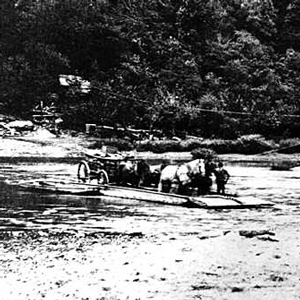
While Lewis is in Washington City, his Harpers Ferry Armory shipment is refused because it weighs too much for the teamster’s wagon. In early July, Lewis will report the problem to President Jefferson.
June 24, 1803
The expected timeline
by Kristopher K. Townsend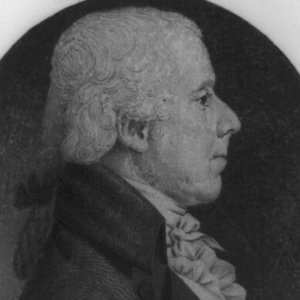
In Washington City, President Jefferson thanks Benjamin Rush for his help and tells him that the expected timeline has Lewis leaving Fort Kaskaskia the first of September.
Elsewhere In Dover, Delaware, Thomas Rodney accepts two Federal appointments setting him on a course to travel down the Ohio River at the same time as Meriwether Lewis.
Experience the Lewis and Clark Trail
The Lewis and Clark Trail Experience—our sister site at lewisandclark.travel—connects the world to people and places on the Lewis and Clark Trail.
Discover More
- The Lewis and Clark Expedition: Day by Day by Gary E. Moulton (University of Nebraska Press, 2018). The story in prose, 14 May 1804–23 September 1806.
- The Lewis and Clark Journals: An American Epic of Discovery (abridged) by Gary E. Moulton (University of Nebraska Press, 2003). Selected journal excerpts, 14 May 1804–23 September 1806.
- The Lewis and Clark Journals. by Gary E. Moulton (University of Nebraska Press, 1983–2001). The complete story in 13 volumes.
This site is provided as a public service by the
Lewis and Clark Trail Alliance
with additional funding from the following: