Kristopher Townsend
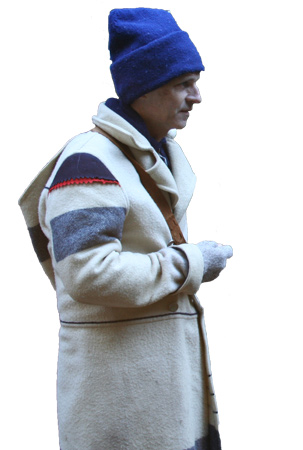
From the Pacific Northwest Living Historians at Lewis and Clark National Historic Park, Fort Clatsop.
Since 2016, Kristopher K. Townsend has been the webmaster and editor of this site, Discovering Lewis & Clark®. He has been actively photo-documenting the Lewis and Clark Trail since 1995. He attempts as closely as possible to re-create scenes as described in the journals including the same time of year, natural state, location, and weather. He has contributed numerous photos throughout the Discovering Lewis & Clark website.
Kris taught several years as a tenured instructor at Spokane Falls Community College. His courses included Internet programming and other information technology and computer science courses. During that time, he was also the series editor and an author of a popular college textbook series on Office Technology.
Shortly after the advent of the World Wide Web, he managed a web server featuring digital photos, digital video, and articles created by his Glenwood Heights Primary students. Topics included historical sites of Clark County (Washington State), wildflowers and birds of Clark County, and how-to videos for school’s physical education program.
Contributions to this Site
November 24, 1803
Limestone cliffs
by Kristopher K. Townsend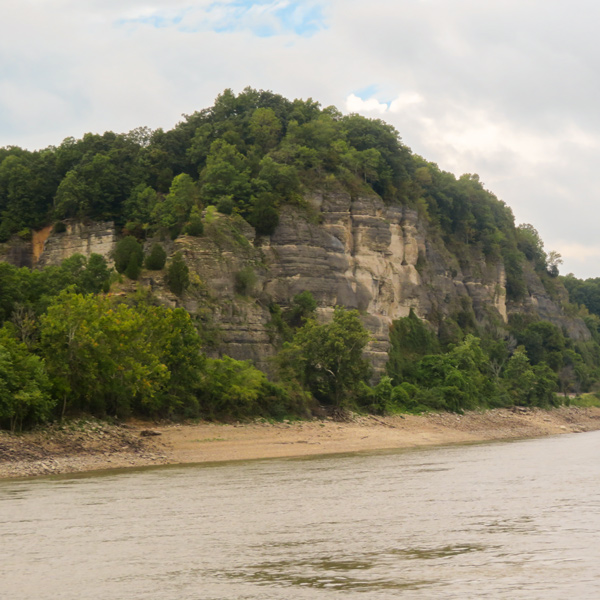
Moving ten miles up the Mississippi, a missing hunter—Sgt. Pryor—is found, and Lewis observes the limestone lining the shores and hills of present Trail of Tears (Missouri) State Park.
November 23, 1803
Louis Lorimier of Cape Girardeau
by Kristopher K. Townsend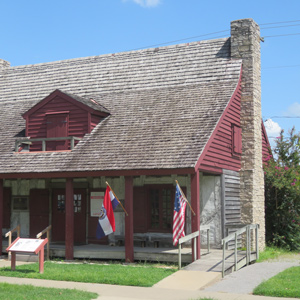
After arriving at Cape Girardeau, Lewis takes letters of introduction to Louis Lorimier, whose store was burned to the ground by William Clark’s brother—George Rogers Clark—in 1782.
November 22, 1803
The Tywappity settlements
by Kristopher K. Townsend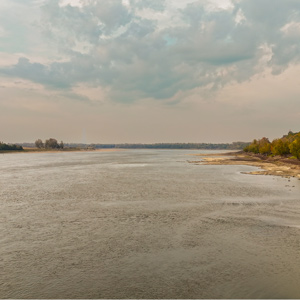
Moving up the Mississippi, the expedition passes Tywappity Bottom—an American settlement on the Spanish side of the river. They meet two boats from Louisville also bound for Kaskaskia.
November 21, 1803
Grand Bend of the Mississippi
by Kristopher K. Townsend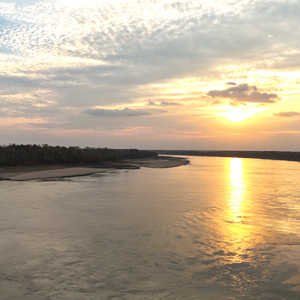
Above the mouth of the Ohio, the expedition continues around the ‘Grand Bend’ of the Mississippi. Lewis comments on the mistletoe trees and bufflehead ducks that he sees.
November 20, 1803
Turning up the Mississippi
by Kristopher K. Townsend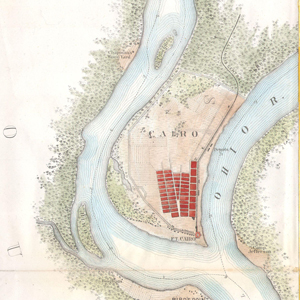
The expedition leaves the mouth of the Ohio River and turns the boats against the Mississippi current. They make ten or eleven miles and encamp on the Illinois shore within the ‘Grand Bend’.
November 19, 1803
Survey and observations
by Kristopher K. Townsend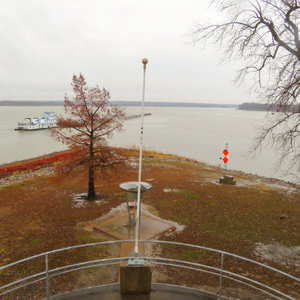
On the expedition’s final day encamped at the mouth of the Ohio, Clark completes his survey of that river’s confluence with the Mississippi, and Lewis makes celestial observations.
November 18, 1803
Clark's Fort Jefferson
by Kristopher K. Townsend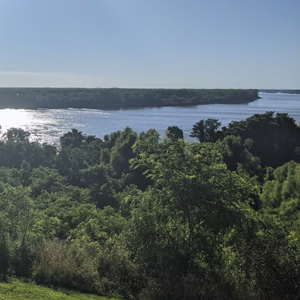
The captains and eight men cross the Ohio to visit Fort Jefferson, established by William’s older brother, George Rogers Clark. They return to find that several enlisted men have left camp and are drunk.
November 17, 1803
Stormy day
by Kristopher K. Townsend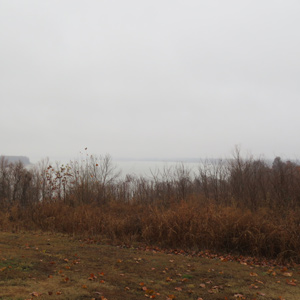
The day is stormy at the mouth of the Ohio. Strong winds swamp the smaller boats, which fortunately had been emptied of their cargo. The captains compare the sizes of the Mississippi and Ohio riverbanks.
November 16, 1803
Seaman not for sale
by Kristopher K. Townsend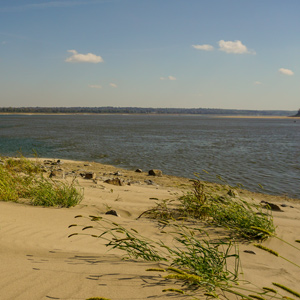
At the mouth of the Ohio, Lewis and Clark scout the western shore of the Mississippi River where a Shawnee man tries to buy Lewis’s dog, Seaman. In Washington City, President Jefferson plans more expeditions.
November 15, 1803
Measuring river widths
by Kristopher K. Townsend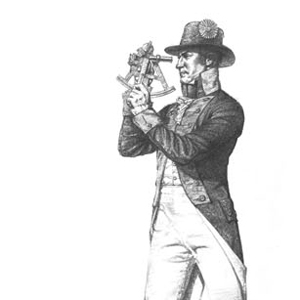
At the mouth of the Ohio, Lewis records key measurements from Clark’s survey of the confluence of the Ohio and Mississippi rivers.
November 14, 1803
End of the Ohio
by Kristopher K. Townsend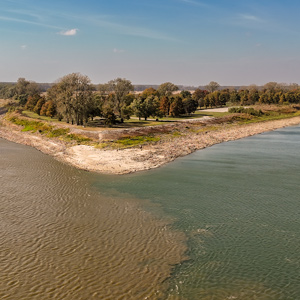
The expedition sets up a camp at the mouth of the Ohio. In Washington City, a report on Louisiana is presented to Congress with information about a mountain of rock salt and Spanish land grants.
November 13, 1803
Leaving Fort Massac
by Kristopher K. Townsend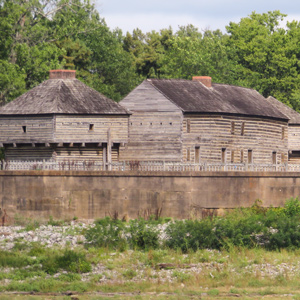
The expedition leaves Fort Massac moving about three miles down the Ohio, and Lewis is “siezed with a violent ague”. The Indiana Territorial Governor pens a letter introducing John Hay of Cahokia.
November 12, 1803
Celestial observations
by Kristopher K. Townsend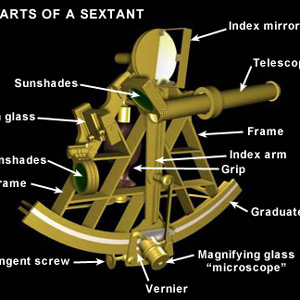
At Fort Massac above the mouth of the Ohio, Lewis begins taking celestial observations but is deterred by clouds. A 14-man detachment from Fort Southwest Point that they had requested has not arrived.
November 11, 1803
Fort Massac arrival
by Kristopher K. Townsend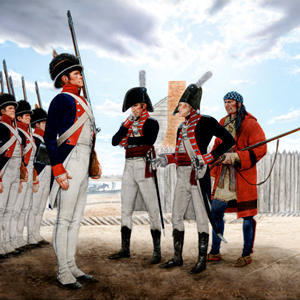
Lewis writes “Arrived as [at] Fort Massac”. There, the captains meet George Drouillard who would become a key expedition member. The fort’s financial officer advances his first month’s pay of $25.
November 10, 1803
Cumberland and Tennessee
by Kristopher K. Townsend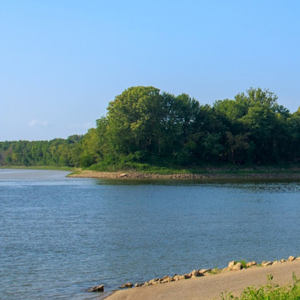
On or near this date, the expedition passes the mouths of the Cumberland and Tennessee rivers. In 1803, islands made entering those tributaries of the Ohio difficult.
November 9, 1803
Cumberland River islands
by Kristopher K. Townsend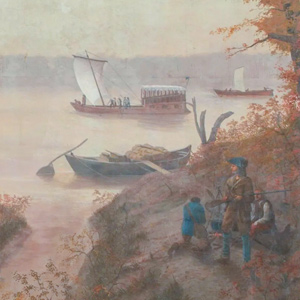
On or near this date the expedition approaches the numerous islands above the Cumberland River. Fortescue Cuming and Thomas Rodney describe the islands and a Native family living in this area.
November 8, 1803
Tower Rock on the Ohio
by Kristopher K. Townsend
On or near this date, the expedition passes Tower Rock near present Elizabethtown, Illinois—a tall rock facing the Ohio River, described by other travelers as having a “reddish colour”.
November 7, 1803
Cave-in-Rock hideaway
by Kristopher K. Townsend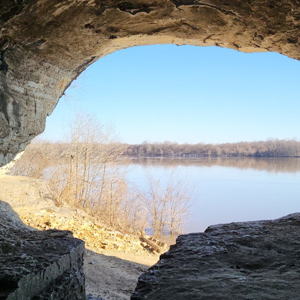
On or near this date, the expedition passes Cave-in-Rock—a hangout for the notorious Mason Gang. After a recent escape, the Mississippi Territorial Governor offers a $1,000 reward for their return.
November 6, 1803
The Saline River
by Kristopher K. Townsend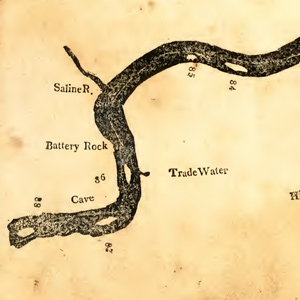
On or near this date, the expedition passes the Saline River. In 1807, Fortescue Cuming would describe the river’s mouth and a salt works about 20 miles up the river.
November 5, 1803
Shawneetown, Illinois
by Kristopher K. Townsend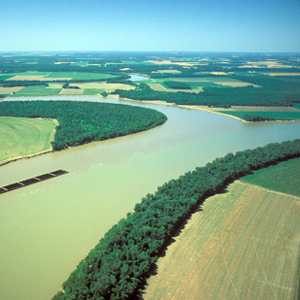
On or near this date, the expedition passes Shawneetown. Ohio River traveler Fortescue Cuming would later describe the town. One week prior, Thomas Rodney found wrecked boats below the Wabash River.
November 4, 1803
Uniontown, Kentucky
by Kristopher K. Townsend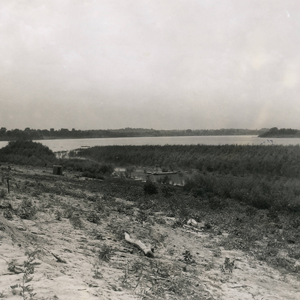
Near this date, the expedition passes an Ohio River settlement near present Uniontown, Kentucky. Fellow river traveler Thomas Rodney describes the area’s harbor, white settlers, and Native deer hunters.
November 3, 1803
Henderson hazards
by Kristopher K. Townsend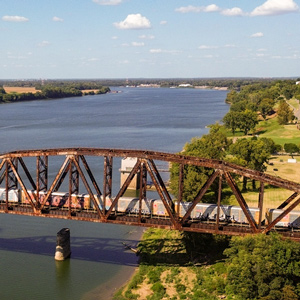
On or near this date, the expedition passes Henderson, Kentucky. The town and river hazards in the area leave an unfavorable impression with contemporaneous traveler Thomas Rodney.
November 2, 1803
Pvt. Lepage enlists
by Kristopher K. Townsend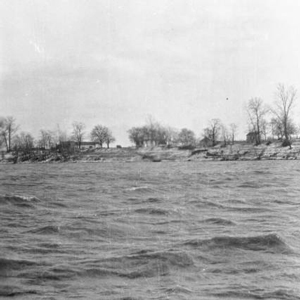
On or near this date, the boats pass the Green River where the “Scuffletown” tavern attracts many Ohio river men. Pvt. Lepage enlists in the “corps of volunteers for North West Discovery”.
November 1, 1803
Giant cane, noisy waterfowl
by Kristopher K. Townsend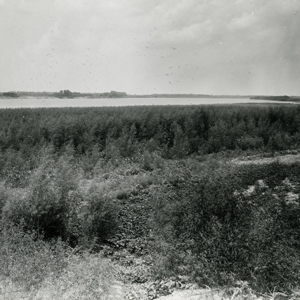
Near this date, the expedition passes present Owensboro, Kentucky—then named Yellow Banks. Fellow traveler Thomas Rodney describes giant cane and numerous waterfowl in this area.
October 31, 1803
Clark's contraction
by Kristopher K. Townsend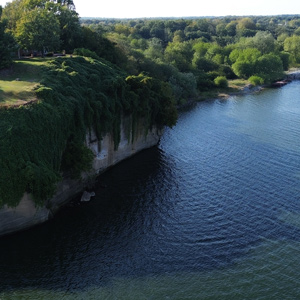
About this date, Clark suffers a “Contraction of the muskelur Sistem” which would stay with him as they move down the Ohio and up the Mississippi. They are likely near present Rockport, Indiana.
October 30, 1803
Ohio River lowlands
by Kristopher K. Townsend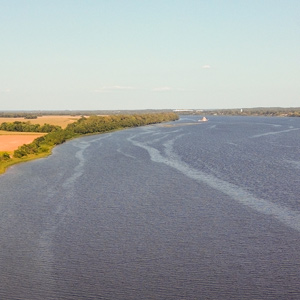
On or near this date, the expedition reaches the region where the hills recede, and the Ohio river lowlands commence. One week earlier, Thomas Rodney’s batteaux ran aground in only three inches of water.
October 29, 1803
Low water hazards
by Kristopher K. Townsend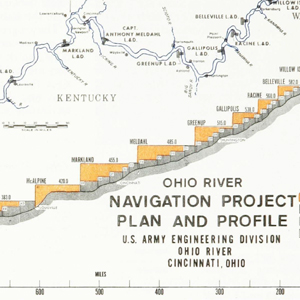
In low water, hidden bars, dangerous whirlpools, and poor channel options make navigating the Ohio in the vicinity of Stephensport, Kentucky difficult. By 1929, all these hazards had been mitigated.
October 28, 1803
Winding Ohio River
by Kristopher K. Townsend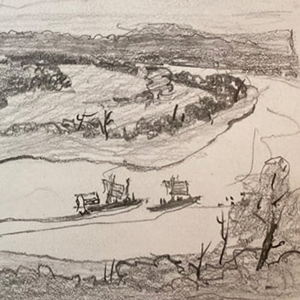
On or near this date, the expedition passes the Blue River Hills and goes around the big bend near present Leavenworth, Indiana. The bends are twenty miles long by water but only six miles by land.
October 27, 1803
Salt River whirlpool
by Kristopher K. Townsend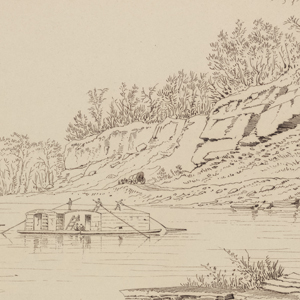
On or near this day, the expedition boats pass the mouth of the Salt River 25 miles below Louisville, Kentucky. There, a whirlpool presents a significant river hazard as described by other travelers.
October 26, 1803
Into the 'wilderness'
by Kristopher K. Townsend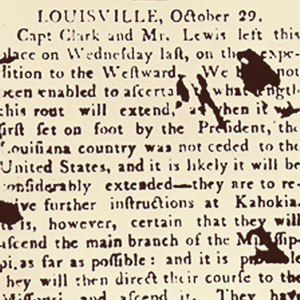
The expedition leaves the Falls of the Ohio bound for Fort Massac near the mouth of the Ohio. Fellow traveler Thomas Rodney says there is “nothing but wilderness on both sides of the river.”
October 25, 1803
Louisiana Treaty ratified
by Kristopher K. Townsend
Today is the last full day that Clark and Lewis are at the Falls of the Ohio. In Washington City, the House of Representative debates and then votes to ratify the Louisiana Purchase treaty and conventions.
October 24, 1803
Indian mounds
by Kristopher K. Townsend
While preparing for departure from the Falls of the Ohio, perhaps the local Indian mounds piqued Lewis’s interest. They are described by fellow traveler Thomas Rodney and later by ethnographers.
October 23, 1803
Young men from Kentucky
by Kristopher K. Townsend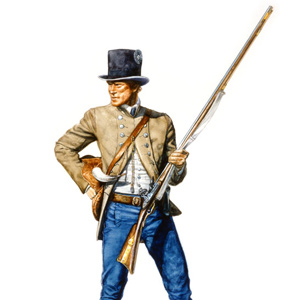
At the Falls of the Ohio, the captains add to, and/or replace, Lewis’s original Ohio River crew with the “young men from Kentucky”. York, Clark’s slave, is also added to the roster.
October 22, 1803
Louisville, Kentucky
by Kristopher K. Townsend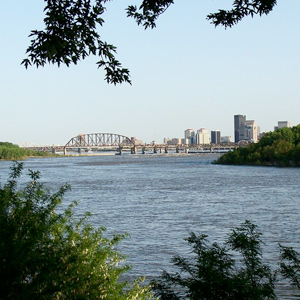
At the Falls of the Ohio, Clark and Lewis are recruiting soldiers and preparing to leave for St. Louis. In Washington City, the House of Representatives prepares to ratify the Louisiana Purchase treaty.
October 21, 1803
Louisville viewscape
by Kristopher K. Townsend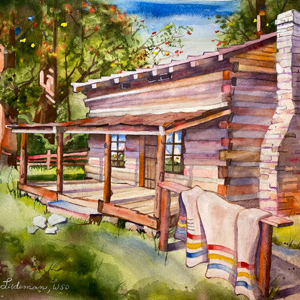
Lewis and Clark prepare for departure from the Falls of the Ohio. Other travelers describe the area’s geography including Clarksville, the home site of Revolutionary War hero George Rogers Clark.
October 20, 1803
Louisville shipyards
by Kristopher K. Townsend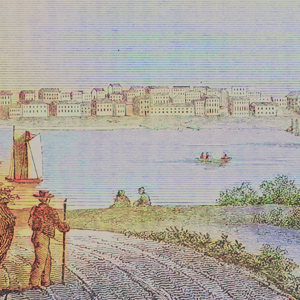
In Louisville, two new recruits officially enlist, and the shipyard at Bear Grass Creek is described by fellow traveler Thomas Rodney. In Washington City, the Senate ratifies the Louisiana Purchase treaty.
October 19, 1803
Clarksville Fossil beds
by Kristopher K. Townsend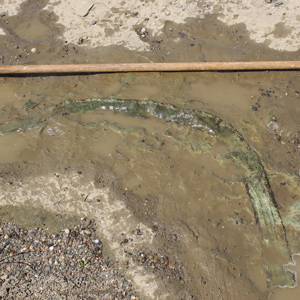
In Louisville, Gibson, Shields, and Shannon officially enlist as privates in the “corps of volunteers for North West Discovery”. The Clarksville fossil beds are described by contemporary travelers.
October 18, 1803
Jefferson limestone
by Kristopher K. Townsend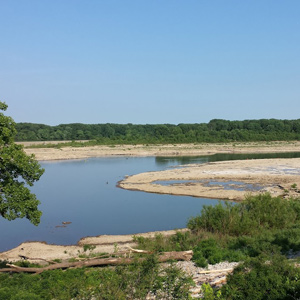
While Clark and Lewis prepared for departing Louisville, Lewis likely examined the unique ledges of Jefferson Limestone that create the series of dangerous rapids called the Falls of the Ohio.
October 17, 1803
Wine with Col. Rodney
by Kristopher K. Townsend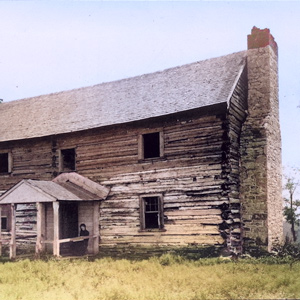
Clark and Lewis share wine with Thomas Rodney whose bateaux is moored at Louisville. Rodney mistakenly thinks Clark’s brother, George Rogers Clark, is William’s father.
October 16, 1803
A "Terrable place"
by Kristopher K. Townsend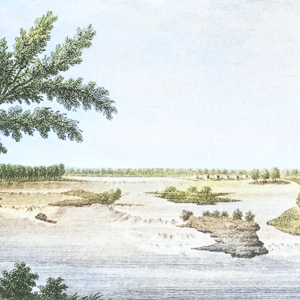
Lewis and Clark are at the Falls of the Ohio preparing for the expedition’s next stage. Fellow traveler Thomas Rodney describes the craggy limestone lining the channels calling it a terrible place.
October 15, 1803
Piloting the Falls of the Ohio
by Kristopher K. Townsend
Likely on this or the previous day, the expedition boats were emptied of cargo and navigated down the rapids at the Falls of the Ohio by court-appointed pilots. Also on this day, John Colter enlists.
October 14, 1803
Louisville arrival
by Kristopher K. Townsend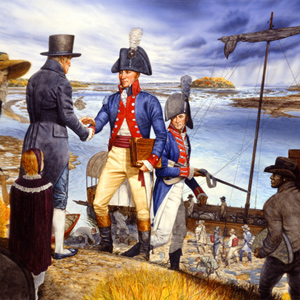
According to a Lexington, Kentucky newspaper article, Meriwether Lewis arrives with his crew and boats at the Louisville port above the Falls of the Ohio. William Clark is likely there to meet him.
October 13, 1803
Giant cane and headwinds
by Kristopher K. Townsend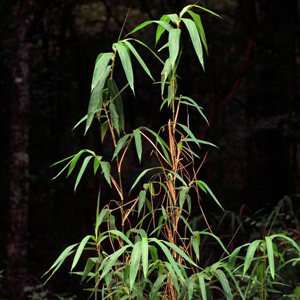
One day above Louisville, Lewis encounters several islands named for their distance from the Falls of the Ohio. Here, giant cane begins to appear, and constant headwinds often blow.
October 12, 1803
Ohio River mosquitoes
by Kristopher K. Townsend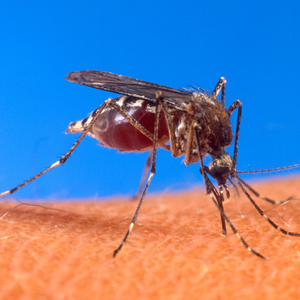
Lewis and his crew are about halfway between Big Bone Lick and the Falls of the Ohio. As reported by contemporary traveler Thomas Rodney, mosquitoes begin to appear.
October 11, 1803
News from fellow travelers
by Kristopher K. Townsend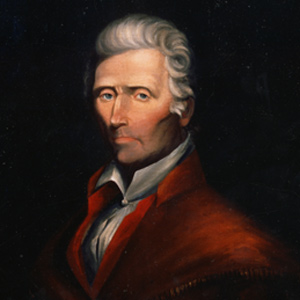
Lewis and the boats are moving down the Ohio towards Louisville where Clark is expecting his arrival. Just days up the Ohio River, the nephew of Daniel Boone shares news with Thomas Rodney.
October 10, 1803
The Kentucky River
by Kristopher K. Townsend
Meriwether Lewis and his flotilla of boats move down the Ohio towards a rendezvous with William Clark at the Falls of the Ohio. He may have reached the Kentucky River, described here by Thomas Rodney.
October 9, 1803
Young islands
by Kristopher K. Townsend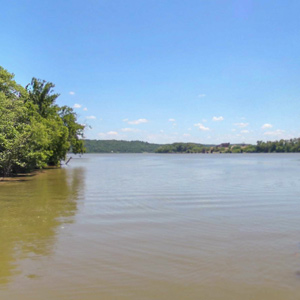
Lewis travels between Big Bone Lick and the Falls of the Ohio where William Clark is expecting him. Fellow traveler Thomas Rodney describes that section of the Ohio River with its “young” islands.
October 8, 1803
Speculations on massive bones
by Kristopher K. Townsend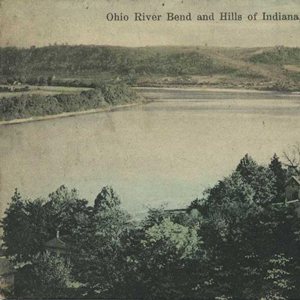
On or near this date, Lewis departs aboard the barge with fossils from Big Bone Lick. Thomas Rodney speculates that the “massy” bones are “beyond the size of any animals existing or that ever did exist”.
October 7, 1803
The long mastodon tusk
by Kristopher K. Townsend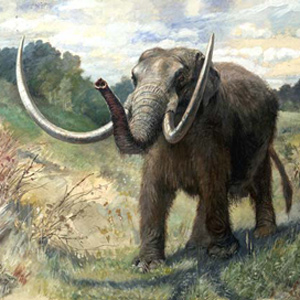
On or near this date, Lewis finishes loading Thomas Jefferson‘s fossils onto the barge (or other boat) at the Ohio River landing below Big Bone Lick. Fellow traveler Thomas Rodney found his leftovers.
October 6, 1803
Ancient bones
by Kristopher K. Townsend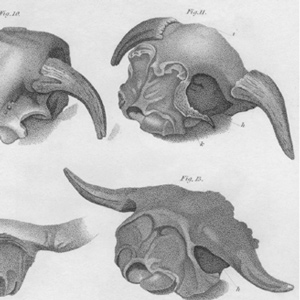
Lewis is likely at Big Bone Lick collecting ancient bones for President Jefferson. Fellow traveler Thomas Rodney and scientist Caspar Wistar describe bones from there resembling the American bison.
Experience the Lewis and Clark Trail
The Lewis and Clark Trail Experience—our sister site at lewisandclark.travel—connects the world to people and places on the Lewis and Clark Trail.
Discover More
- The Lewis and Clark Expedition: Day by Day by Gary E. Moulton (University of Nebraska Press, 2018). The story in prose, 14 May 1804–23 September 1806.
- The Lewis and Clark Journals: An American Epic of Discovery (abridged) by Gary E. Moulton (University of Nebraska Press, 2003). Selected journal excerpts, 14 May 1804–23 September 1806.
- The Lewis and Clark Journals. by Gary E. Moulton (University of Nebraska Press, 1983–2001). The complete story in 13 volumes.
This site is provided as a public service by the
Lewis and Clark Trail Alliance
with additional funding from the following: