Joseph Mussulman

Marc A. Hefty photo.
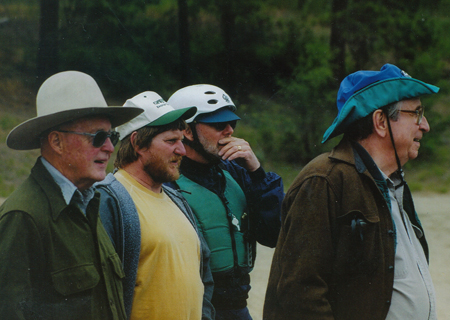
Photo by Bill Bevis.
Left to right: Two concerned dugout canoe owners, one concerned expert paddler, and Joe grinning with delight
Joseph A. Mussulman (1928–2017) was the founding producer, editor and writer for Discovering Lewis & Clark. After five years of preparation and experimentation the website went online in 1998, under the auspices of a non-profit entity called VIAs Inc., and funded by grants from various sources, especially–throughout the bicentennial observance from 2003 to 2006–the Challenge Cost Share Program of the National Park Service. In 2009 the site was taken over by the Lewis & Clark Fort Mandan Foundation of Washburn, North Dakota.
Dr. Mussulman earned his bachelor’s and master’s degrees in music history and literature at Northwestern University in 1950 and 1951. As a Danforth Scholar he earned a doctorate in humanities from Syracuse University in 1967.
He has written and produced a number of interpretive programs in collaboration with audio specialist Richard H. Kuschel, also of Missoula Montana. In 1986, he wrote, narrated, and co-produced a multimedia presentation for the Blaine County Museum (MT) titled Forty Miles from Freedom, about the Non-Treaty Nez Perce Indians’ final battle with the U.S. Army, at the Bear Paw Mountains in 1877. In 2012-13 Mussulman and Kuschel revised the 20-minute onsite production and updated it in High Definition video. In 1994 their interactive self-guided audio-CD tour of Yellowstone National Park, a five-hour program produced for Tour Technologies, Inc., received first prize in the category of media productions from the National Association for Interpretation. Their Two Days to Destiny, an audio interpretive tour of the Little Bighorn Battlefield, won first place from the NAI in 1995.
Mussulman is the author of five articles on Lewis and Clark that appeared in We Proceeded On, the official journal of the Lewis and Clark Trail Heritage Foundation, Inc.: “My Boy Pomp’: About That Name,” Vol. 21, No. 2 (May 1995); “Soundscapes: The Sonic Dimensions of the Lewis and Clark Expedition,” Vol. 21, No. 4 (November 1995); “Men in High Spirits: Humor on the Lewis and Clark Trail,” Vol.22, No. 2 (May 1996); “‘In Greatest Harmoney’: ‘Meddicine Songs’ on the Lewis and Clark Trail,” Vol. 23, No. 4 (November 1997); and “Pomp’s bier was a bar,” Vol. 27, No. 1 (February 2001).
Dr. Mussulman has designed and produced maps for various books, brochures and study guides about Lewis and Clark, including 58 full-color maps illustrating the expedition’s entire route from coast to coast for the travelers’ guide, Along the Trail with Lewis and Clark, by Barbara Fifer and Vicky Soderberg (2nd ed., Helena: Montana Magazine, 2001). Those maps also appeared in the same publisher’s annual Lewis and Clark Travel Planner and Guide. They may be seen in Discovering Lewis & Clark at Discovering Lewis & Clark from the Air. In 1998, he created a poster illustrating the trail from Washington, D.C. to the Pacific, for Farcountry Press.
His other publications include a biography, Dear People . . . Robert Shaw (Indiana University Press,1979; reprint, Chapel Hill, NC: Hinshaw Music, 1996), and Music in the Cultured Generation (Evanston: Northwestern University Press, 1974). From 1987 through 1998 he was the interpretive writer and designer of Montana Afloat, a series of sixteen maps of Montana’s major floatable rivers.
Dr. Mussulman was a 1999 recipient of a Montana Governor’s Arts Award. Several years later he received an award of meritorious achievement from the Lewis and Clark Trail Heritage Foundation “for outstanding contributions in bring to this nation a greater awareness and appreciation of the Lewis and Clark expedition.” In 2005, he received the Montana Governor’s Humanities Award.
Contributions to this Site
The Blackfoot River
by Joseph A. Mussulman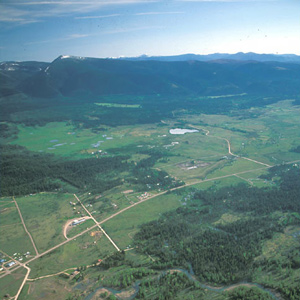
The road led Lewis and his men to the north of an “extensive high prarie rendered very uneven by a vast number of little hillucks and sinkholes.” Lewis noted: “These plains I called the prarie of the knobs.”
Common and Fallow Deer
Common meanings and tangled names
by Joseph A. Mussulman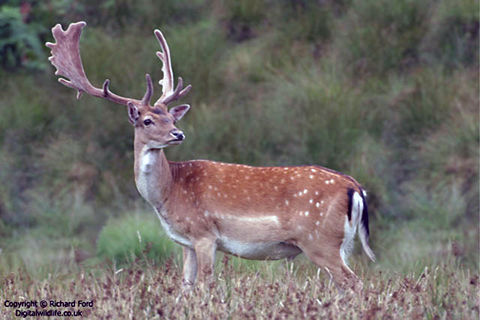
Lewis and Clark used the word fallow mainly in reference to the color of the Virginia whitetail. Few, probably, had ever seen a picture of a European fallow deer, and may have been unaware that this species’ distinctive antlers were not round like those of indigenous North American deer.
Sage Grouse
Centrocercus urophasianus
by Joseph A. Mussulman, Mark Behan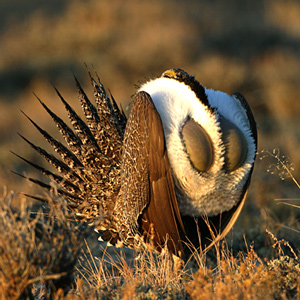
“The Heath Cock or cock of the Plains is found in the Plains of Columbia and are in great abundance from the enterance of Lewis’s river to the mountains which pass the Columbia between the Great falls and Rapids of that river.” Thus we have a historic account of sage grouse range and abundance.
The Sounding Horn
The "sounden horn"
by Joseph A. Mussulman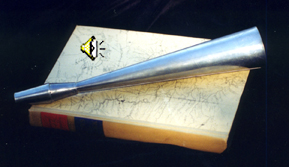
In May of 1803, Lewis bought four “tin horns”—elsewhere called “Tin blowing Trumpets” or, by Sgt. Ordway, “Sounden [Sounding] horns.” They were likely used a signals between boats and on several occasions a horn was used to call in lost hunters.
The Musselshell River
Sharp curve
by Joseph A. Mussulman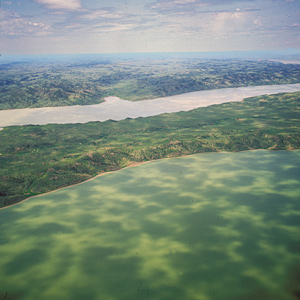
On 19 May 1805, the expedition camped on the east side of the neck, or “gouge,” in the Missouri River where the Musselshell River joins it. It had been an exhausting day.
Naming the Lolo: A Summary
A worthwhile study
by Joseph A. Mussulman
Passing Hell’s Gate
Up the Blackfoot River
by Joseph A. Mussulman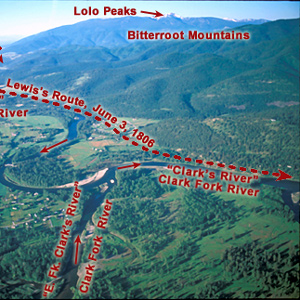
The continuation of the Northern Nez Perce Trail led from their camp at Travelers’ Rest to the plains near the Great Falls of the Missouri, saving hundreds of miles from the expedition’s 1805 route.
The Pirogues
by Joseph A. Mussulman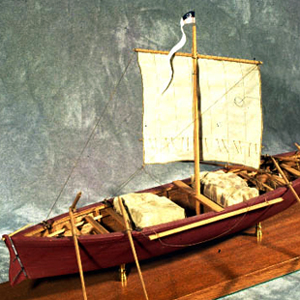
The two pirogues served as supplementary cargo carriers accompanying the barge from the mouth of the Missouri to the Mandan villages, one of which became the command boat on the return trip from the Marias River to St. Louis.
Columbian Ground Squirrel
Spermophilus columbianus
by Joseph A. Mussulman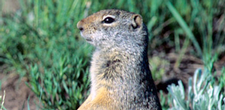
Labiche brought a specimen into Long Camp on the Clearwater River and four days later, Meriwether Lewis penned one of his longest and most meticulous descriptions of any small mammal.
Hares and Jackrabbits
Lepus species
by Joseph A. Mussulman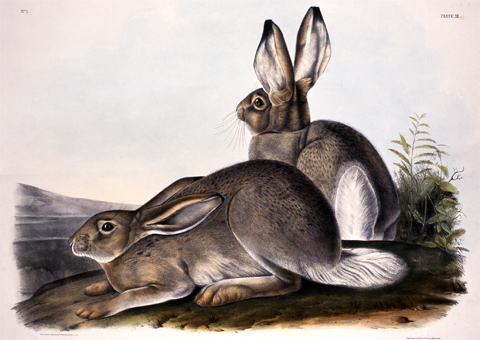
Lewis got his first close look at that “large hare of America,” when one of the Corps’ ace hunters, Private John Shields, bagged the first specimen more than 1,100 miles (by Clark’s estimate) up the Missouri River.
Too Né’s Delegation
by Joseph A. Mussulman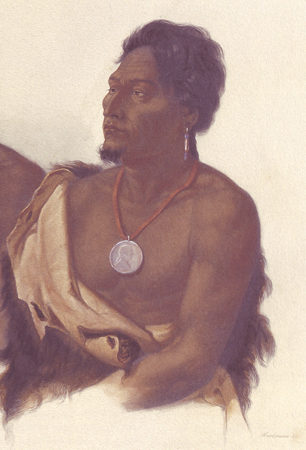
A delegation of chiefs from the Arikara, Ponca, Omaha, Otoe, Iowa, and Missouria nations sailed down the Missouri with Corporal Warfington on the expedition’s keelboat in the spring of 1805. Early in January, 1806, President Jefferson greeted them in Washington City with a formal speech.
Fight on the Two Medicine
An "accedental interview"
by Joseph A. Mussulman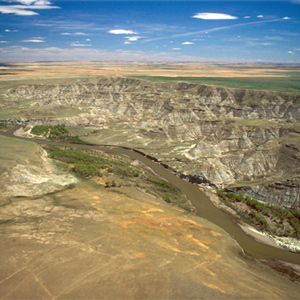
The Indians invited the Americans to share a campsite that night. At daybreak, despite the soldiers’ watchfulness, the Indians tried to steal the Americans’ guns and horses. That immediately erupted into a skirmish.
Eagles
The bald and golden eagles
by Joseph A. Mussulman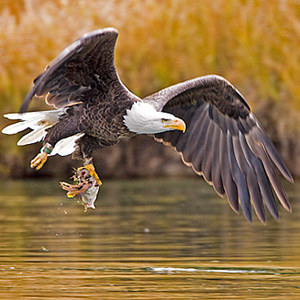
En route to the Pacific Ocean, Lewis and Clark saw both species of eagles that are native to North America: the black-and-white one called the bald eagle, and the brown-and-gold one commonly known as the golden eagle, but which the explorers knew as the grey eagle.
Giant Springs
by Joseph A. Mussulman, William O'Keefe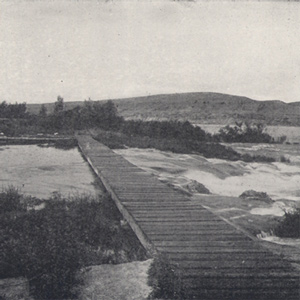
Clark and his five men “proceeded on up the river a little more than a mile to the largest fountain or Spring I ever Saw, and doubt if it is not the largest in American Known.”
Unaccountable ‘Artillery’ of the Rockies
by Joseph A. Mussulman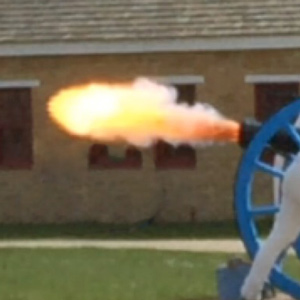
Near the Great Falls, Lewis describes loud noises “resembling precisely the discharge of a piece of ordinance of 6 pounds at the distance of three miles.” Thunder didn’t seem likely as “It was perfectly calm, clear, and not a cloud to be seen.”
Jean-Bapiste Lolo
Another corporeal Lolo
by Joseph A. Mussulman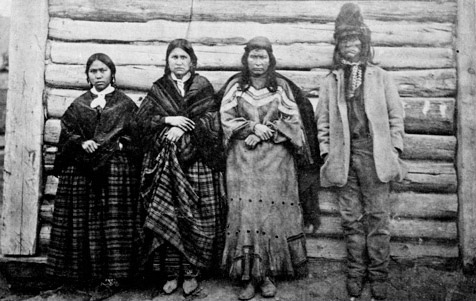
He spent most of his 70 years at Fort Kamloops in British Columbia and is not known to have traveled as far south as today’s Lolo, Montana.
Sheheke’s Delegation
by Joseph A. Mussulman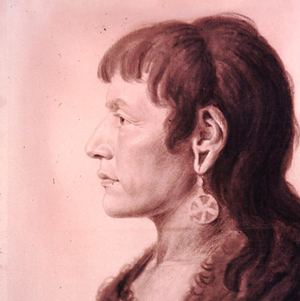
Sheheke’s diplomatic trip to Washington City and his difficult return home brought down the careers of at least two great leaders—himself, and Meriwether Lewis.
Clarkia
Clarkia pulchella
by James L. Reveal, Joseph A. Mussulman, Kristopher K. Townsend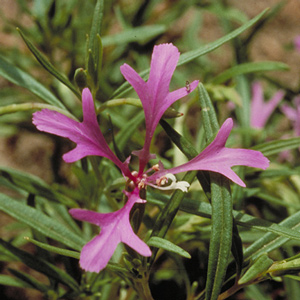
The plant’s common names include elkhorn, ragged robin, pink fairy, and deerhorn. In the spring of 1807 Lewis turned over his plant specimens to Frederick Pursh, who gave this flower the scientific name Clarkia pulchella
Travelers’ Rest Creek
Today's Lolo Creek in Montana
by Joseph A. Mussulman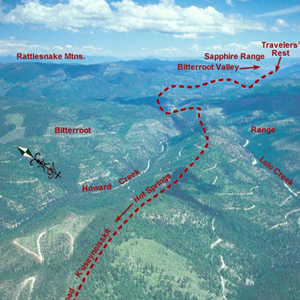
At 3 o’clock in the afternoon, 11 September 1805, Toby led the Corps of Discovery out of Travelers’ Rest camp toward the Bitterroot Mountain barrier.
The Articles of War
Rules for soldiers
by Joseph A. MussulmanThe expedition’s enlisted men were obliged to comply with the basic military rules and regulations contained in two distinct official documents that had been written in the initial heat of the Revolutionary War.
Finding the Willamette
Filling in the blank
by Joseph A. Mussulman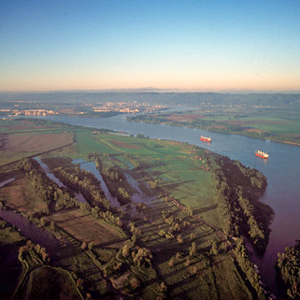
Islands had hidden it from view on the westbound trip, but early on 2 April 1806 some Indians visiting their camp happened to mention it. Clark picked six of his soldiers, hired an Indian guide, and went back to see it.
Blue Lake Meander
Iowa meander
by Joseph A. Mussulman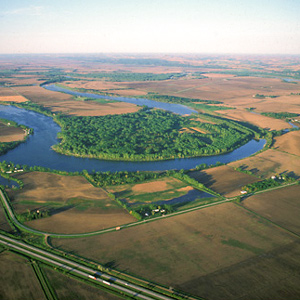
This oxbow was once part of the main channel of the Missouri, but by 1804 the river had already cut it off, turning it into a lake “6 leagues [eighteen miles] around.”
Cape Disappointment
"This Emence Ocian"
by Joseph A. Mussulman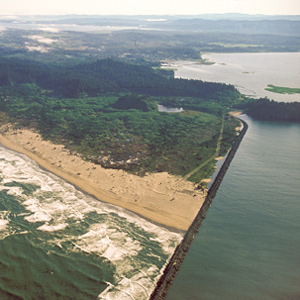
Private Whitehouse thought his captains had named Cape Disappointment “on account of not finding Vessells there,” but it had received the name years earlier.
Tucannon and Palouse Rivers
"rugid rocks"
by Joseph A. Mussulman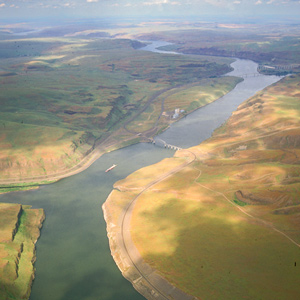
Now they entered a four-mile-long torrent, its climax a “narrows or narrow rapid” through which a channel 25 yards wide was confined between “rugid rocks” for a solid mile and a half.
Indigenous Forestry
by Joseph A. Mussulman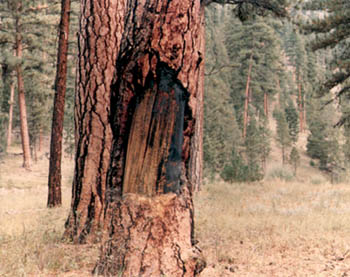
Archaeological evidence indicates that deliberate burning of forests and fields has been occurring on the North American continent for at least the past 10,000 to 20,000 years.
Long Camp
Five weeks with the "Chopunnish"
by Joseph A. Mussulman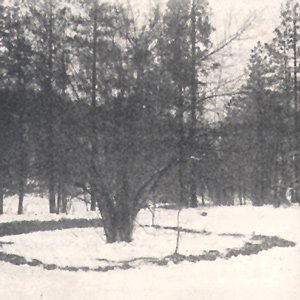
Upon its return from the Pacific coast in the spring of 1806, the expedition camped on the Clearwater River near present-day Kamiah from 14 May 1806 until 10 June 1806, waiting for the snow to melt on the crest of the Bitterroot Mountains.
Eastern Gray Squirrel
Scuirus carolinensis
by Joseph A. Mussulman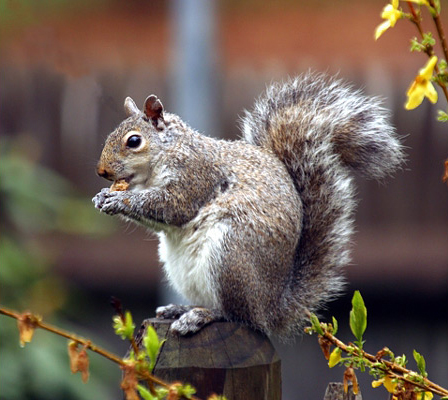
Lewis wrote a description of the eastern gray squirrel, the first of his natural history observations, on 11 September 1803, twelve days after he left Pittsburgh on his voyage down the Ohio.
Indian Presentation Flags
What kind of flag did they give out?
by Joseph A. Mussulman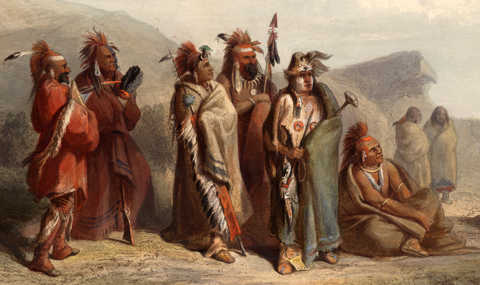
Several vexillologists have speculated that Lewis and Clark might have carried some “Indian presentation flags” with seventeen stripes, plus the Great Seal in the canton with seventeen stars either surrounding the eagle or inside the Glory.
Nathaniel Pryor
Sergeant
by Joseph A. Mussulman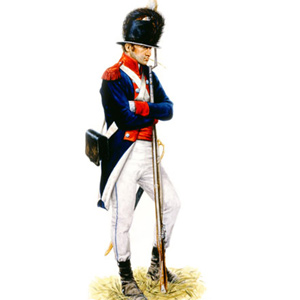
Pryor was assigned several special missions from exploring the Sandy River to escorting Mandan Chiefs to Washington City. He would barely survive his adventures on the Yellowstone River.
Blue Grouse
Dendragapus obscurus
by Joseph A. Mussulman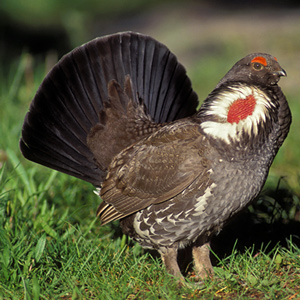
“this bird is fully a third larger than the common phesant of the Atlantic states. it’s form is much the same. it is booted nearly to the toes and the male has not the tufts of long black feathers on the sides of the neck which are so conspicuous in those of the Atlantic.”
The Niobrara River
Rushing river
by Joseph A. Mussulman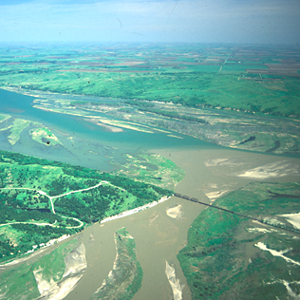
“We hoisted Sail,” wrote Ordway, and “ran verry fast a Short time. Broke our mast.” The party “came to” on the west side of the Niobrara. There the men made a new mast from the trunk of a tall, sturdy red cedar, which apparently lasted at least until they reached the Mandan villages.
The Osage Orange
Maclura pomifera
by James L. Reveal, Joseph A. Mussulman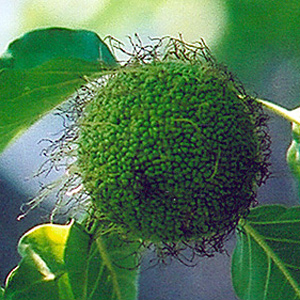
Its oak-strong, hickory-tough wood made powerful, reliable hunting bows. Early French explorers and traders translated its Indian name into bois d’arc,–”wood for a bow,” which was easily anglicized into “bodark.”
Jefferson’s Monticello
Source and paradigm
by Joseph A. Mussulman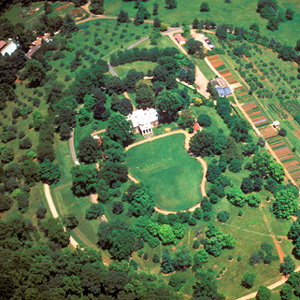
After some eight months of planning and discussion, President Thomas Jefferson handed his twenty-eight-year-old secretary, Captain Meriwether Lewis, a letter containing instructions for the conduct of one of the most significant undertakings in American history.
Charles B. J. F. de Saint Mémin
Early American portraitist
by Joseph A. Mussulman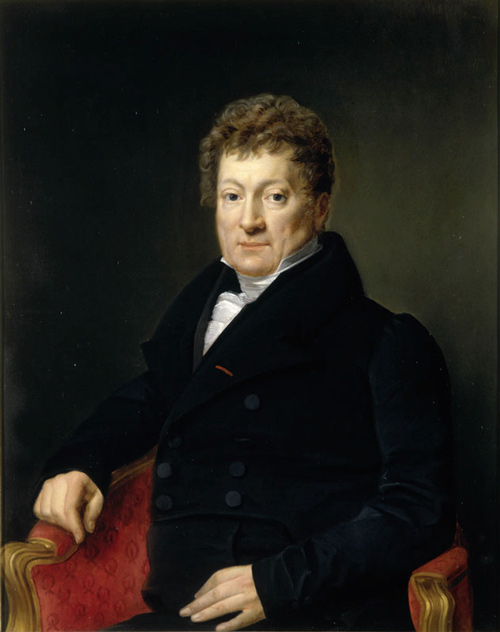
Charles Balthazar Julien Févret de Saint-Mémin (1770–1852) was a portrait artist whose works include Lewis, Clark, Chief Sheheke and his wife Yellow Corn.
Barbary Coast War
Lewis's "Mahometant yoke"
by Joseph A. Mussulman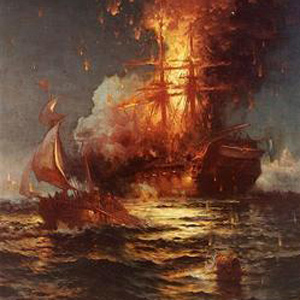
The story of what was known by his detractors as “Jefferson’s War,” opens for us a narrow window on a little known but intriguing episode in Meriwether Lewis’s brief position as the President’s secretary.
Peace Medals
Tools of diplomacy and trade
by Joseph A. Mussulman, Kristopher K. Townsend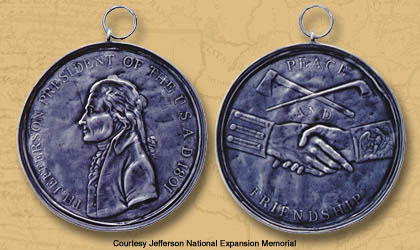
One of the tasks assigned to the expedition was to replace the French, Spanish, and English peace medals previously gifted to North American Indians with those from the United States. The gifts symbolized mutual loyalty in trade and, at least to the Indians, military protection.
Up the Columbia
Heading home
by Barbara Fifer, Joseph A. Mussulman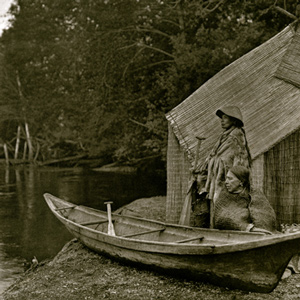
Homeward bound in April 1806, the Lewis and Clark Expedition traveled through the Columbia Gorge and pitched camps on its north side. Their passage was tense and unpleasant, with Indians taking small goods regularly.
Dividing Forces at Travelers’ Rest
Their daring tactical plan
by Joseph A. Mussulman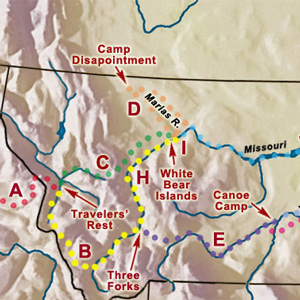
Dividing into as many as five separate details was part of a bold, diplomatic plan to achieve three of the objectives set by President Jefferson.
Miller Island
River of the falls
by Joseph A. Mussulman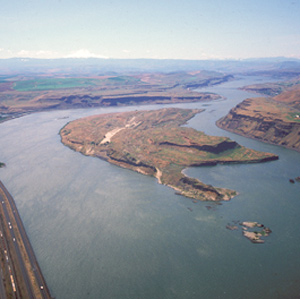
Near the west end of the island, they passed a sizeable tributary local Indians called To war ne hi ooks. The journalists left us no hint that the word they heard as Towarnehiooks was a Chinookan expression meaning “enemies.”
The Platte River
High road junction
by Joseph A. Mussulman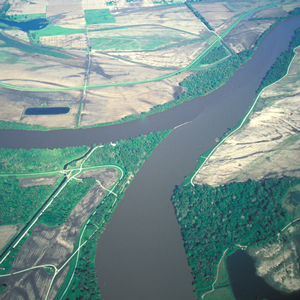
The Corps of Discovery arrived at the mouth of the Platte on 21 July 1804, noting first of all that “the Current of This river Comes with great Velocity roleing its Sands into the Missouri, filling up its Bend….”
The Osage Delegations
by Joseph A. Mussulman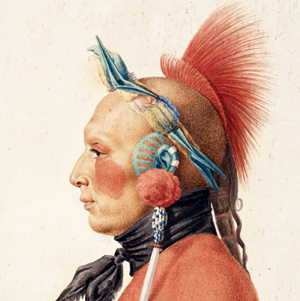
They were “certainly the most gigantic men we have ever seen,” Jefferson wrote on 12 July 1804. A dozen Osage men and two boys had arrived in Washington City the previous day, escorted by Pierre Chouteau.
The Shoshone Caparison
Indian horse tack
by Joseph A. Mussulman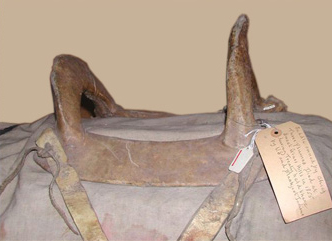
On the day before he left Camp Fortunate for the last time, Lewis described, with typical attention to detail, the usual caparison of the Shoshone Horse”–halter, saddle, and all other trappings.
The Judith River
by Joseph A. Mussulman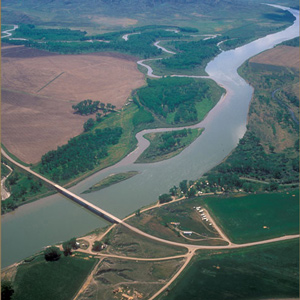
“at the distance of 2½ miles passed a handsome river which discharged itself on the Lard. side, I walked on shore and acended this river about a mile and a half in order to examine it”
The Snowberry
Symphoricarpos albus
by Joseph A. Mussulman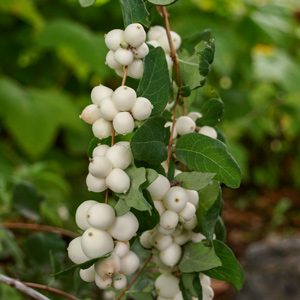
13 August 1805 near Lemhi Pass, Lewis wrote that he noticed “a species of honeysuckle much in it’s growth and leaf like the small honeysuckle of the Missouri.” He had discovered a plant that was new to the scientific community—the snowberry.
Searching for Salines
Objects worthy of notice
by Joseph A. Mussulman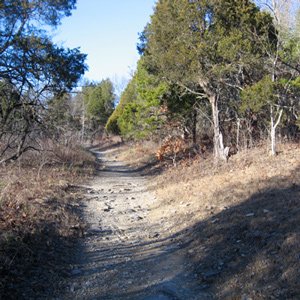
Among the “objects worthy of notice” President Jefferson instructed Meriwether Lewis to watch for en route were saltpetre deposits and salines. By “salines” Jefferson meant salt flats, salt marshes, salt pans, salt springs, and rock or “fossil” salt deposits.
The Lower Yellowstone
A promising location
by Joseph A. Mussulman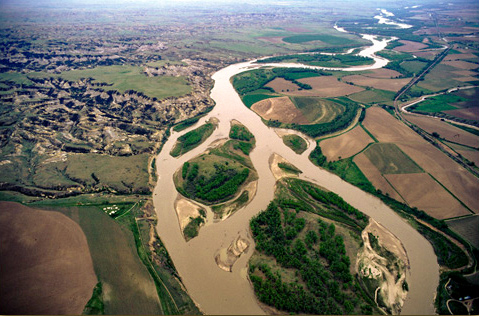
On 30 July 1806 Clark and his party camped near the mouth of the War har sah, or Powder River. He summarized the Yellowstone’s attractions, directing most of his attention toward opportunities for immediate expansion of the fur trade.
Fiddle Music
Fiddle music on the trail
by Joseph A. Mussulman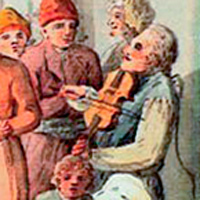
The principal catalyst for their musical diversions was undoubtedly Private Pierre Cruzatte, whose official duty was as a boatman, but who also played the fiddle.
Lewis, Beethoven, Napoleon
An amazing coincidence
by Joseph A. Mussulman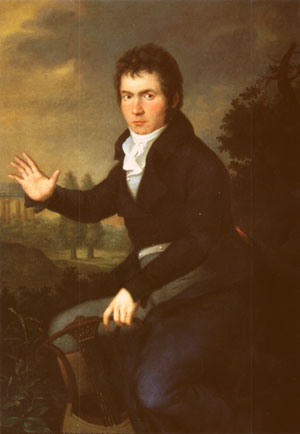
On 7 April 1805 three ‘heroic’ events occurred. The expedition set off from Fort Mandan, and Beethoven premiered his Third Symphony, the “Eroica,” dedicated to Napoleon Bonaparte. It was also the day Great Britain and Russia sealed a fateful alliance against that French emperor.
Lewis’s Five Firs
by James L. Reveal, Joseph A. Mussulman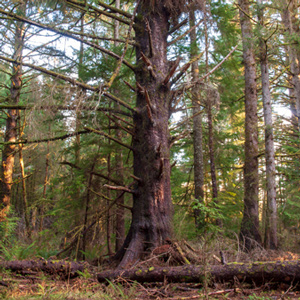
Lewis describes one of the richest resources of the Pacific northwest coast: Sitka spruce, western hemlock, grand fir, perhaps the Pacific silver fir, and Douglas-fir.
Grizzly Profiles
Grizzly bear legends and facts
by Joseph A. Mussulman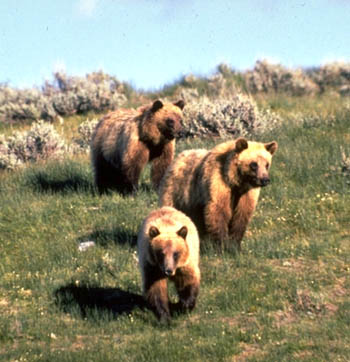
The anecdotes about their experiences with grizzly bears which the members of the Corps of Discovery brought home were gory enough to guarantee that they would be passed along. What are the legends? What are facts?
Experience the Lewis and Clark Trail
The Lewis and Clark Trail Experience—our sister site at lewisandclark.travel—connects the world to people and places on the Lewis and Clark Trail.
Discover More
- The Lewis and Clark Expedition: Day by Day by Gary E. Moulton (University of Nebraska Press, 2018). The story in prose, 14 May 1804–23 September 1806.
- The Lewis and Clark Journals: An American Epic of Discovery (abridged) by Gary E. Moulton (University of Nebraska Press, 2003). Selected journal excerpts, 14 May 1804–23 September 1806.
- The Lewis and Clark Journals. by Gary E. Moulton (University of Nebraska Press, 1983–2001). The complete story in 13 volumes.
This site is provided as a public service by the
Lewis and Clark Trail Alliance
with additional funding from the following: