The Coeur d’Alenes
by Kristopher K. Townsend
The Skitswish, or Coeur d’Alenes, often visited the Nez Perces on the Clearwater River. Three met the captains at the mouth of Colter’s Creek.
The Skitswish, or Coeur d’Alenes, often visited the Nez Perces on the Clearwater River. Three met the captains at the mouth of Colter’s Creek.
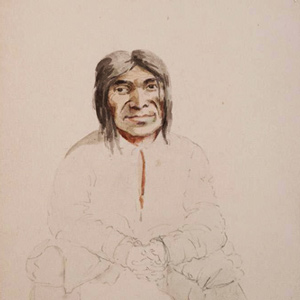
The Cowlitz proper were Southwestern Coast Salish peoples living mainly along the Cowlitz River. The people were blenders. Those living among the Chinookan Skilloots intermarried and may have been indistinguishable when the expedition passed the “Cow-e-lis’-kee” River.
My Lai on the Marias
by Joseph A. Mussulman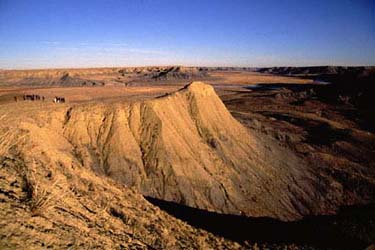
Some blame the ruin of the Blackfeet people on the Lewis and Clark Expedition. The story is far too complicated to be told fully in a few hundred words. Many foul deeds on both sides led up to the “the greatest slaughter of Indians ever made by U.S. troops.”
Short tempers and long knives
by Jay H. Buckley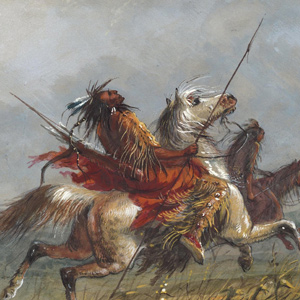
Next to grizzly bears and Mother Nature, the most feared enemy of American fur trappers traveling along the upper Missouri River were the Niitsítapi or Blackfeet, the “Original People” or “Prairie People.” Was that Lewis’s fault?
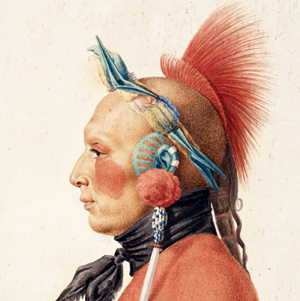
They were “certainly the most gigantic men we have ever seen,” Jefferson wrote on 12 July 1804. A dozen Osage men and two boys had arrived in Washington City the previous day, escorted by Pierre Chouteau.
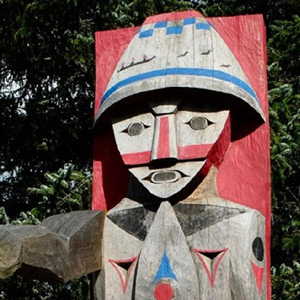
The Tillamook Indians, cordial hosts and friends to the visiting Americans in 1806, may have numbered about 2,200 persons at that time.
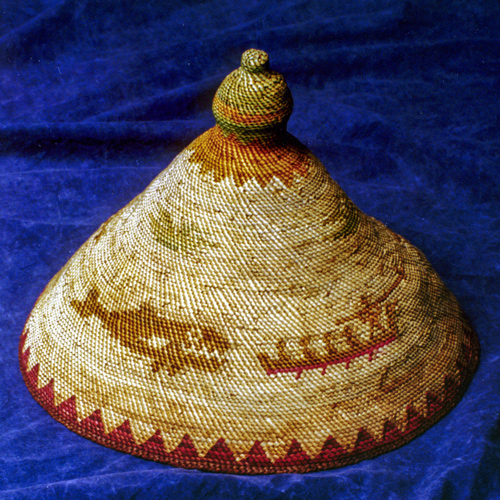
They could come up with nothing in the way of hats that was as practical as the style perfected by the Clatsops and Chinooks.
The Lewis and Clark Expedition encountered the Lower Chehalis mainly during their stay at Station Camp on Baker Bay. In the journals, the people’s name is spelled Chieltz and Chiltch.
An interview with Ron Therriault
by Ron Therriault
Ron Therriault, past council chairman of the Salish-Kootenai Confederated Tribes: “I like to think of the time … We’re looking at 1805 and Lewis and Clark … to look at the people as they were at that time. What were the stories?”
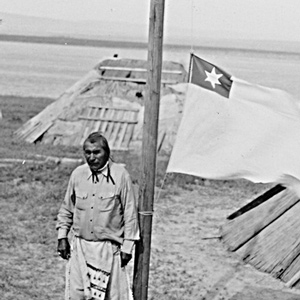
Lewis and Clark called them “Sokulks” but they were ‘river people’ from the Sahaptin wána (river) and pam (people). Wanapam is an alternate spelling.
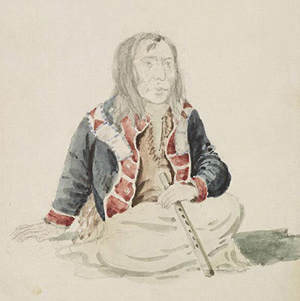
At the time of the Lewis and Clark Expedition, the Palouses had coalesced around four primary villages on the lower Snake River: Penewawa, Almota, Wawaiwai, and Palus. Lewis and Clark estimated their population as 2,300 which included Northern Nez Perce.
Forty miles from freedom
by Joseph A. Mussulman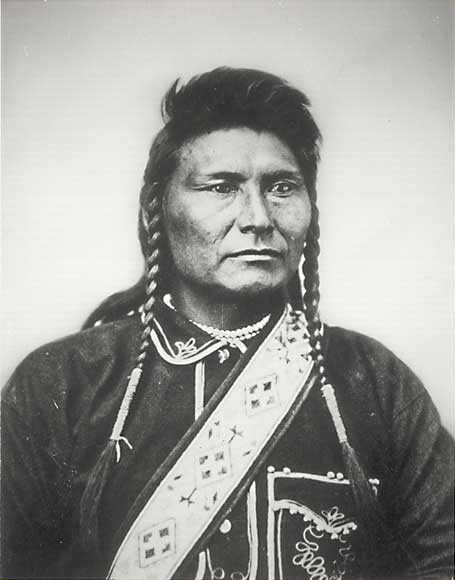
Two troops of the 1st U.S. Cavalry met their first defeat. That set in motion the heroic flight of 450 women, children and elders, 200 warriors, and their only remaining wealth—some 2,000 horses—toward the safe refuge that would forever elude them.
An interview with an elder
by W. Otis Halfmoon
We call ourselves Ni-mee-poo, which means “The People.” We also call ourselves Tsoopnitpeloo, and Tsoopnitpeloo means “The Walking-Out People”—people from the mountains come to the plains, to hunt buffalo.
Dubious interactions
by Joseph A. Mussulman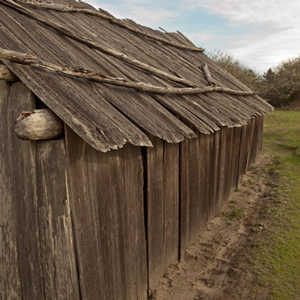
In mid-March the men stole a Clatsop canoe as recompense for Indians’ theft of 6 elk carcasses the men had shot, even though the tribe’s chief had already made restitution for the elk by giving the captains three free dogs.
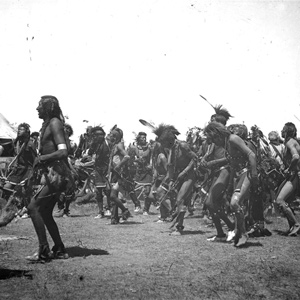
The first whites to encounter the Salish in person were the Lewis and Clark Expedition at Ross’ Hole. Although the journalists had much to say about the encounter, the Salish have said far more.
Multiple perspectives
by Joseph A. Mussulman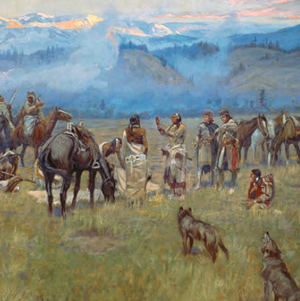
The story of Lewis and Clark meeting the Flathead Salish on 4 September 1805 at Ross Hole is told by one expedition member, four Salish Indians, and one western artist.
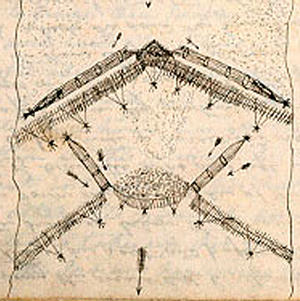
Clark visits a Shoshone camp on the west bank of the Lemhi River near today’s Salmon City, where he and his men are fed on “Sammon boiled, and dried Choke Cher[rie]s,” and taken on a sight-seeing trip to the nearby permanent fishing weirs.
Lewis's threats and promises
by Joseph A. Mussulman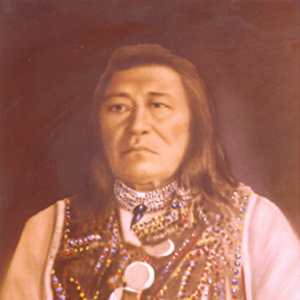
Pretending to have been insulted by their accusation, Lewis pompously declared that “if they continued to think thus meanly of us…they might rely on it that no whitmen would ever come to trade with them or bring them arms and amunition.”
Examining Shoshone foods
by Joseph A. Mussulman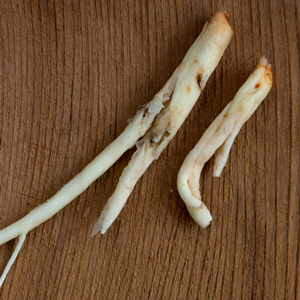
Lewis learned about three unfamiliar species of edible roots–a bushel of them altogether. The Shoshones who were encamped nearby helped him sort them out, and told him how they were customarily prepared.
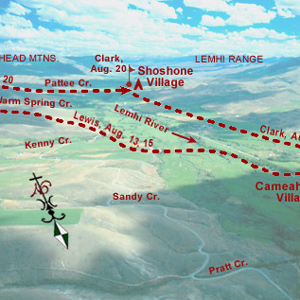
A few more Shoshones came in sight. Making all the benevolent signs and sounds he could think of, pondering ways to bring the wary Indians within talking distance, Lewis finally touched the hand of an elderly woman, and the spark of international friendship was struck.
This site is provided as a public service by the
Lewis and Clark Trail Alliance
with additional funding from the following: